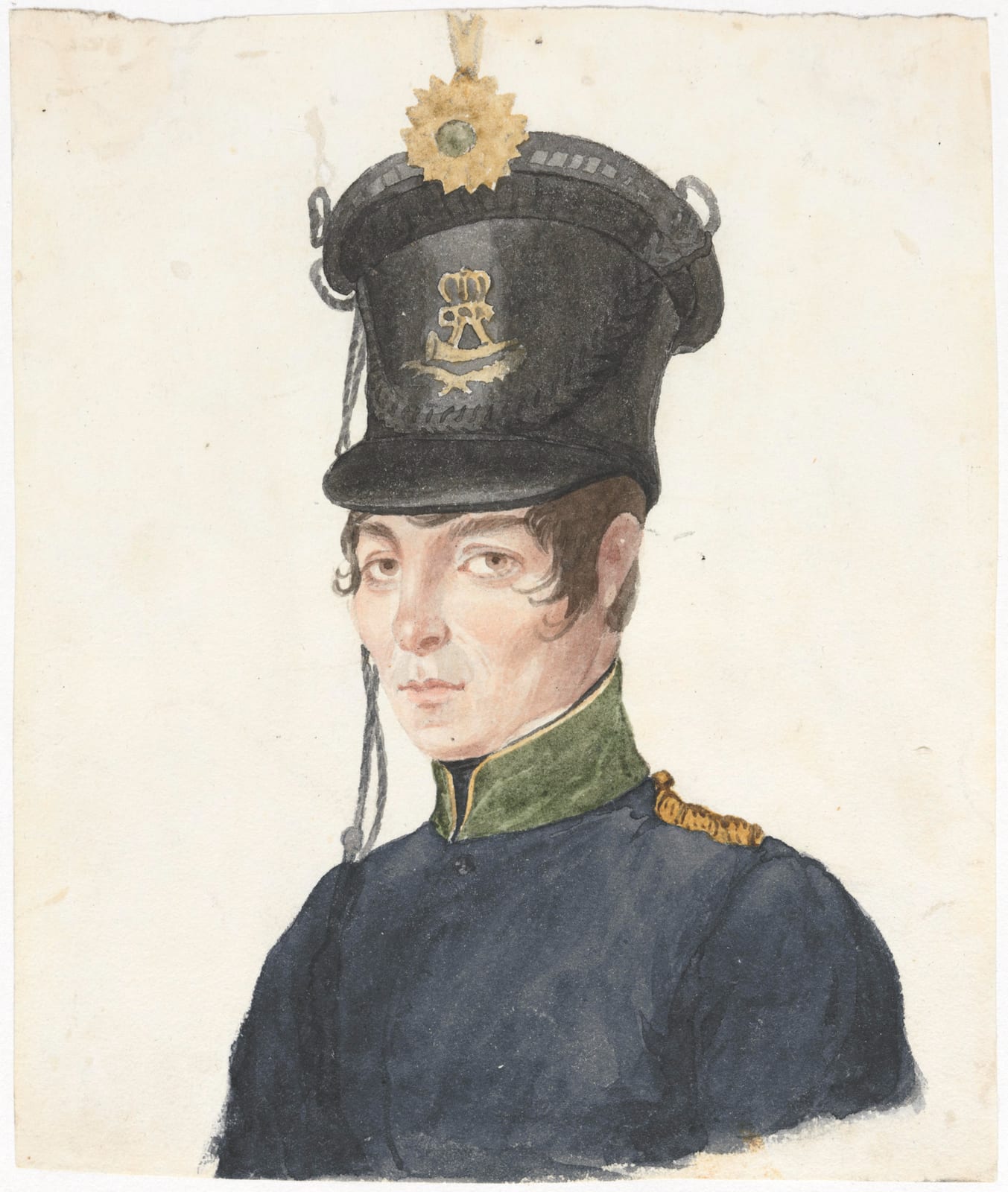
Maria Quitéria Fights for Brazil’s Independence in Bahia
Brazil’s break with Portugal was not settled by a single declaration. In Bahia, a woman who joined the fighting became one of its most enduring military figures.
In late 1822, as armed conflict expanded across the province of Bahia during the Brazilian War of Independence, Maria Quitéria de Jesus left her home to join the pro-independence forces. Defying the wishes of her father, a farmer named Gonçalo Alves de Almeida, she disguised herself in male attire to enlist in a division of the Brazilian Army known as the Parakeet Battalion. Her entry into military service came during a protracted regional confrontation against Portuguese troops stationed in and around Salvador.
Born in 1792 in the rural settlement of Licurizeiro, within the parish of São José das Itaporocas in Bahia, Quitéria grew up without formal schooling. Following the death of her mother when Quitéria was ten years old, her father remarried twice. Everyday rural life provided her with practical experience in riding, hunting, and handling firearms, proficiencies that directly enabled her transition into the ranks of the infantry.

Keep reading in Yester
Coming soon to the App Store
Keep following the story
Sources
Image: Augustus Earle