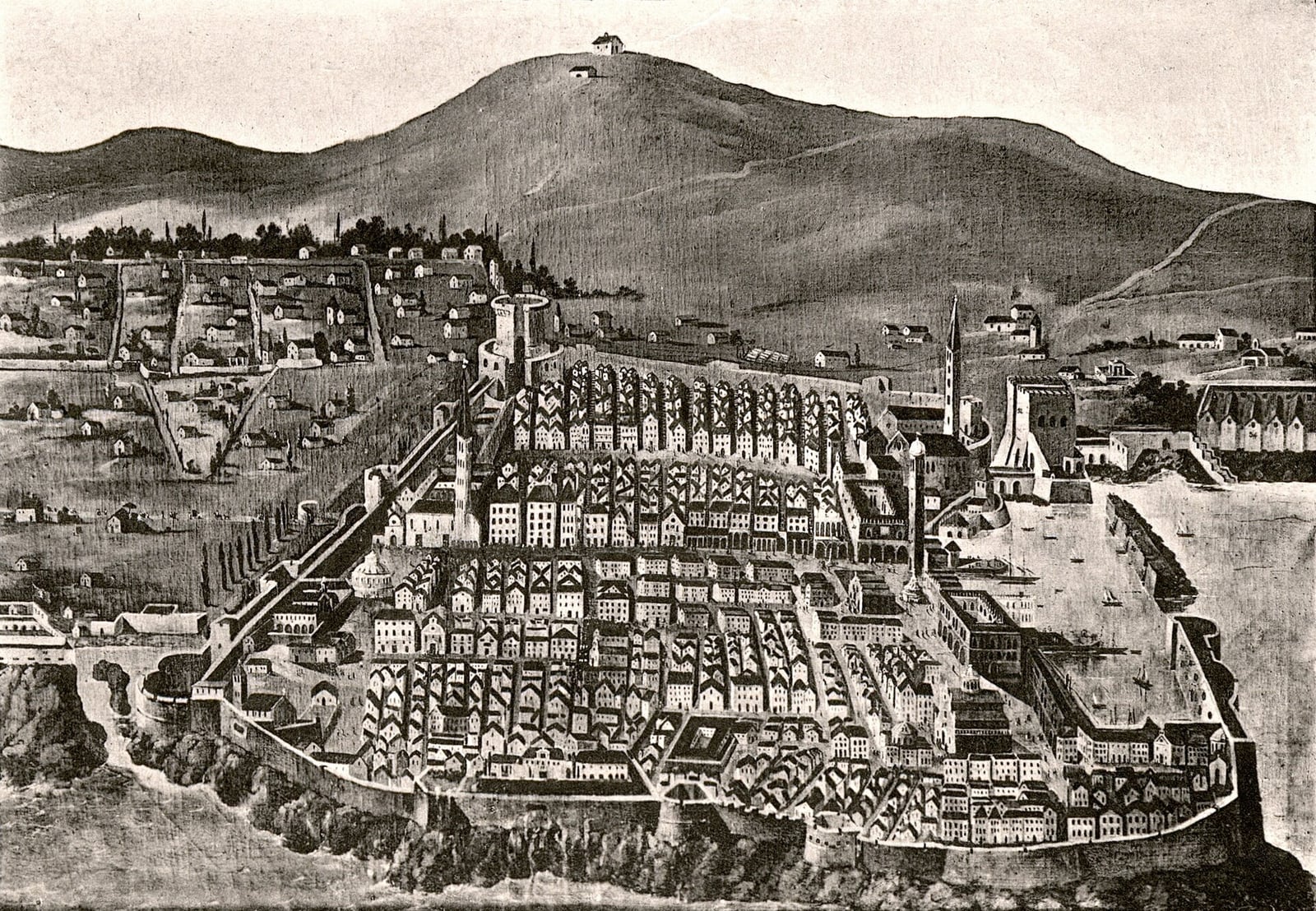
Ragusa Makes Travelers Wait Out the Plague
The Adriatic republic ordered arrivals from plague areas to isolate for thirty days.
In 1377, the legislative council of the maritime republic of Ragusa, modern-day Dubrovnik, issued a statute requiring incoming travelers from areas afflicted by pestilence to spend thirty days at designated sites before entering the city. Intended to protect the thriving Adriatic trading center from recurring outbreaks of disease, this mandated period of isolation was known locally as a trentino. Ragusa designated the small uninhabited islands of Mrkan, Bobara and Supetar for this isolation, compelling arriving crews and merchants to remain separated while authorities observed whether symptoms developed.
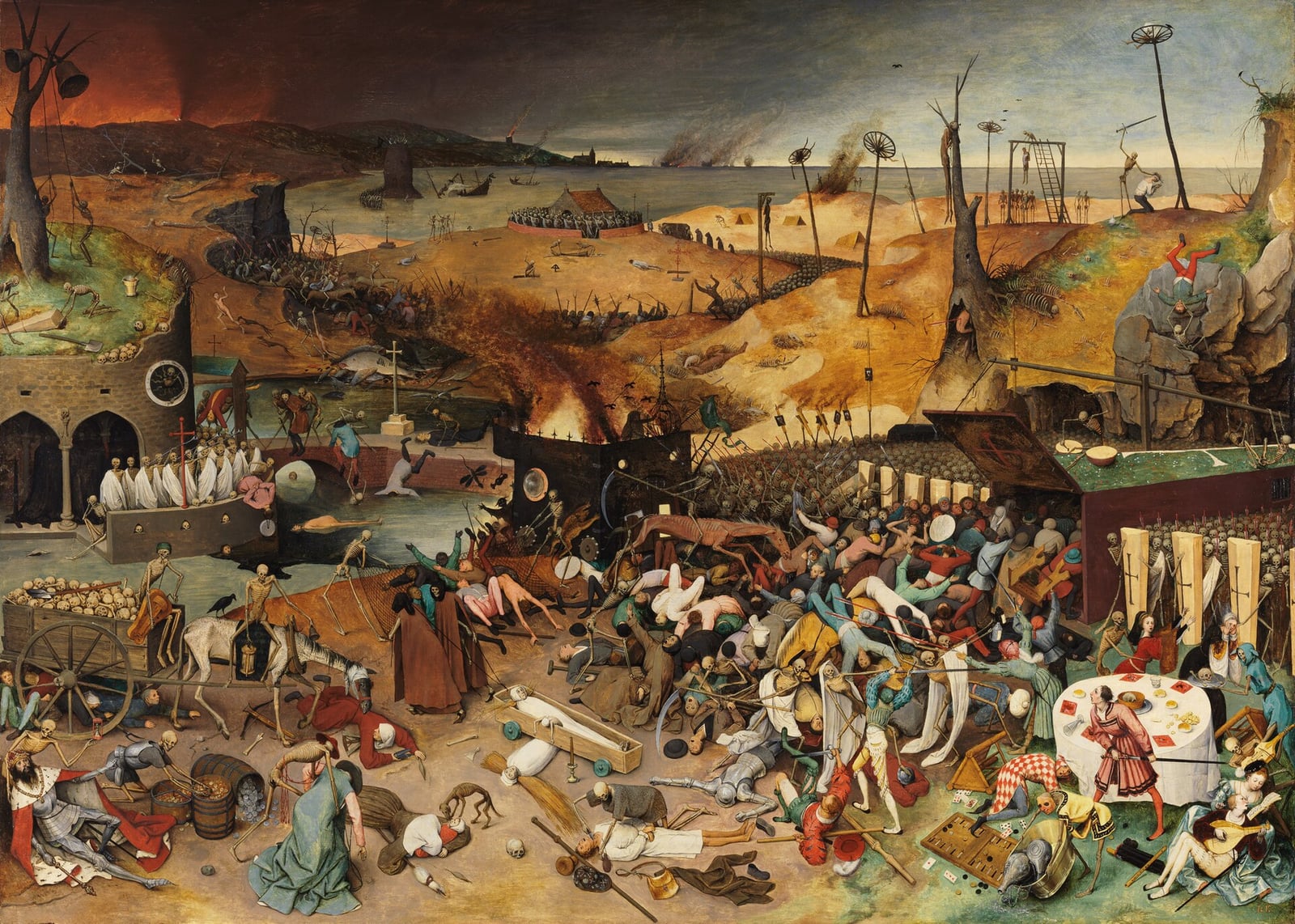
This civic intervention represented a practical shift in disease management following the initial shock of the mid-fourteenth century. Between 1348 and 1359, the catastrophic epidemic known as the Black Death destroyed an estimated thirty percent of the population of Europe, along with significant numbers across Asia. Earlier customs had frequently involved separating visibly afflicted individuals, such as the long-term segregation of lepers described in ancient texts or the establishment of specialized leprosariums in Islamic and Mediterranean cities. However, the system introduced in Dalmatia targeted potentially exposed individuals who showed no outward signs of infection, distinguishing preventive quarantine from the isolation of confirmed patients.

Keep reading in Yester
Coming soon to the App Store
Keep following the story

Sources
- Lessons from the History of Quarantine, from Plague to Influenza A, by Eugenia Tognotti, Emerging Infectious Diseases 19(2), 2013 (CDC)
- The Italian lazarets of the Adriatic Sea, Infezioni in Medicina (PubMed Central)
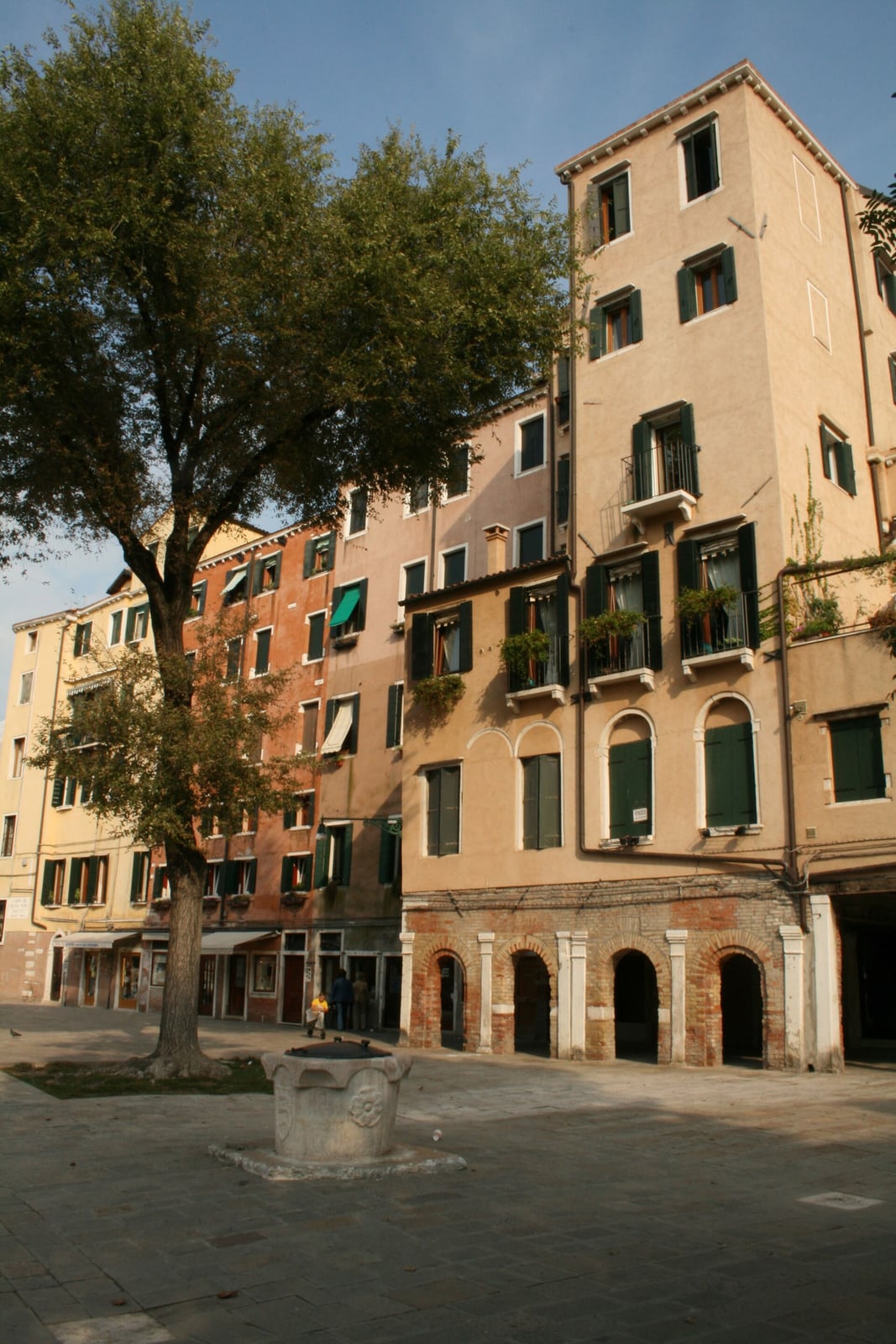
- Quarantine as filter: a conceptual framework from early modern Venice, Evolution, Medicine, and Public Health (PubMed Central)
- Quarantine
Image: Georg Kowalczyk; Fotografie, Scan and postprocessing by Hubertl