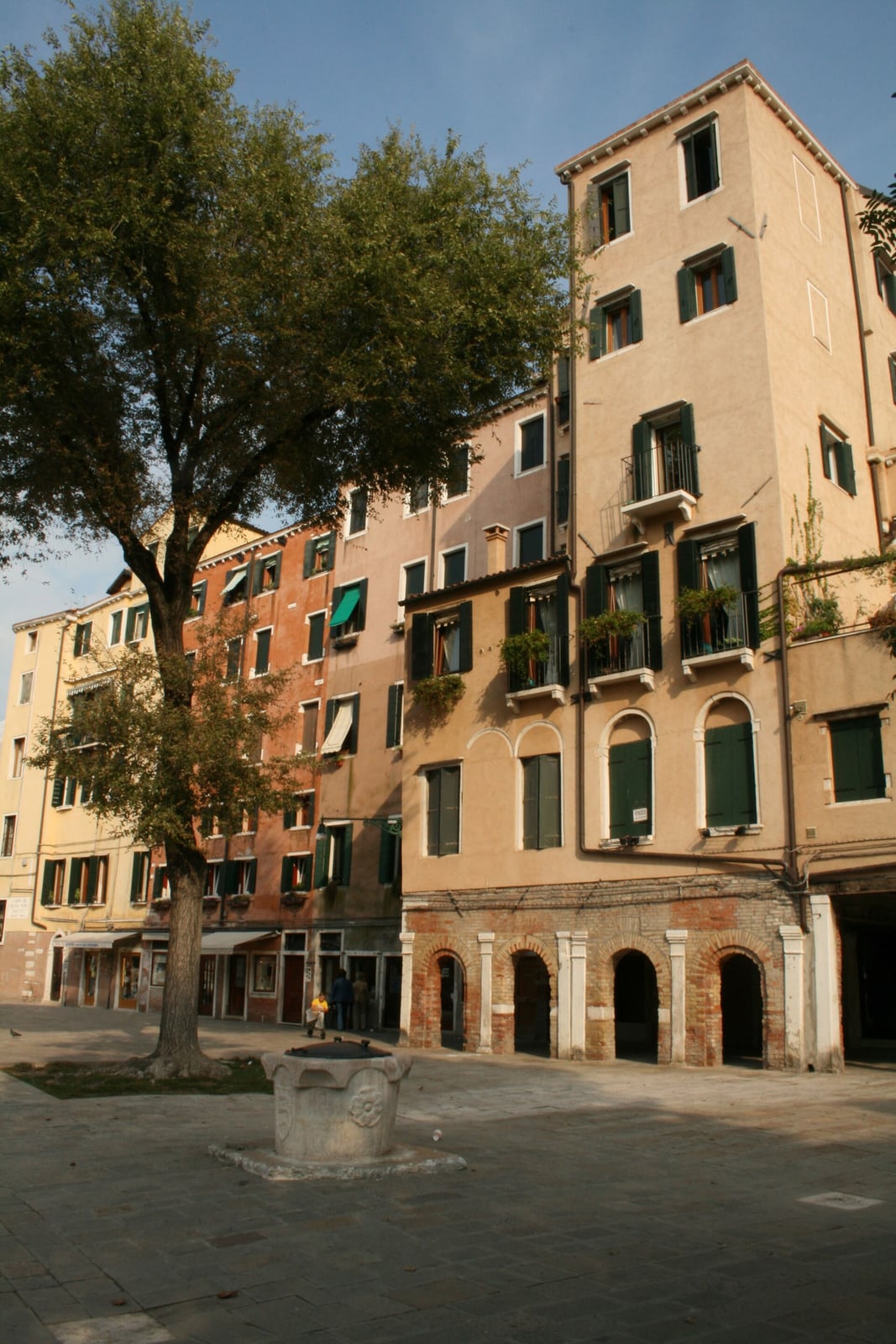
Venice Confines Its Jews to the Ghetto
The city walled off a foundry district whose name gave the world the word ghetto.
On 29 March 1516, Doge Leonardo Loredan and the Senate of the Republic of Venice issued a decree compelling every Jewish resident in the city to relocate into a single walled precinct. Before this ruling, Jewish individuals had lived across several Venetian parishes, including San Cassiano, Sant'Agostin, San Polo, and Santa Maria Mater Domini, having settled after the Venetian Republic's military defeat by the League of Cambrai in 1509. Prior to that wartime displacement, regulations had restricted Jewish visitors to stays of no more than fifteen consecutive days at a time.
The designated quarter stood within the Cannaregio sestiere on an island known as the Ghetto Nuovo. The origin of the name remains an object of historical dispute. Several scholars propose that the word derived from the Italian getto or gettare, referring to metal casting or the dumping of foundry slag, because public cannon foundries had previously operated nearby. Other proposed derivations have suggested connections to the Hebrew term get, the Italian diminutive borghetto, or Germanic roots denoting a street. Modern historians note that the island was already designated the Ghetto Nuovo before the residential decree, indicating that the term predated Jewish habitation rather than originating from the segregation itself.

Keep reading in Yester
Coming soon to the App Store
Keep following the story
Sources
Image: Cayetano Roso