
Ptolemy Builds a Mathematical Model of the Heavens
A synthesis of observation and geometry became a reference point for astronomers across languages and centuries.
Around the middle of the second century, the astronomer Claudius Ptolemy composed a comprehensive Greek treatise known originally as the Syntaxis Mathematica. Working in Roman Egypt after decades of observations, Ptolemy formulated a complete mathematical description of apparent celestial movements. Evidence from a public inscription at Canopus indicates that his system reached its finished form no earlier than about 150. The work organized existing Greek geometrical tools into thirteen structured books, establishing a stationary spherical Earth at the centre of the cosmos, with the planets, Sun, Moon, and stars revolving around it.
To resolve the irregular motions of wandering stars, Ptolemy adapted earlier geometrical mechanisms and introduced new mathematical devices. Apollonius of Perga had earlier devised combinations of eccentric deferent paths and smaller rotating circles called epicycles, which Hipparchus had applied to the Sun and Moon. Ptolemy incorporated these structures while adding an equant point to regulate planetary speeds, allowing him to compute complex retrogradations and latitude deviations where earlier models had failed. His cosmological scheme treated Earth as a mathematical point relative to the immense distance of the fixed stars, setting an enduring architectural standard for geocentric planetary mechanics.

Keep reading in Yester
Coming soon to the App Store
Keep following the story

Sources
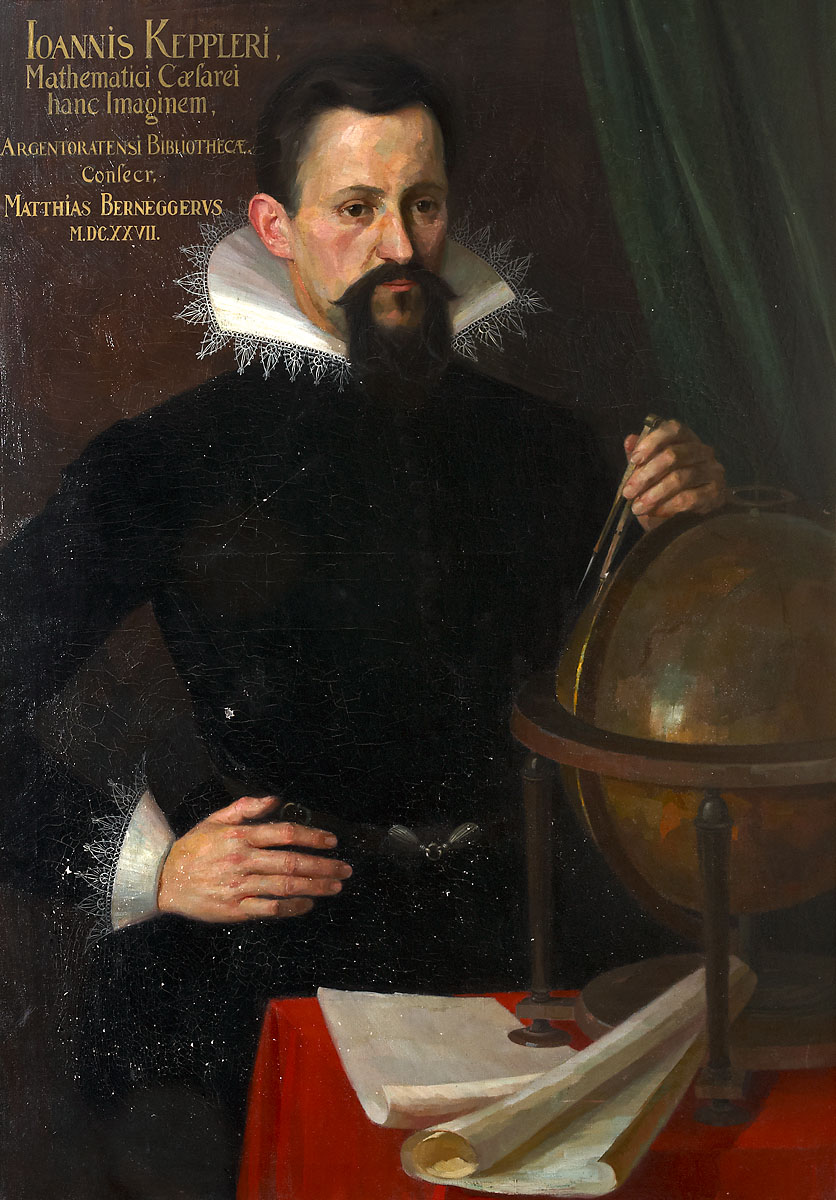
Image: Claudius Ptolemy