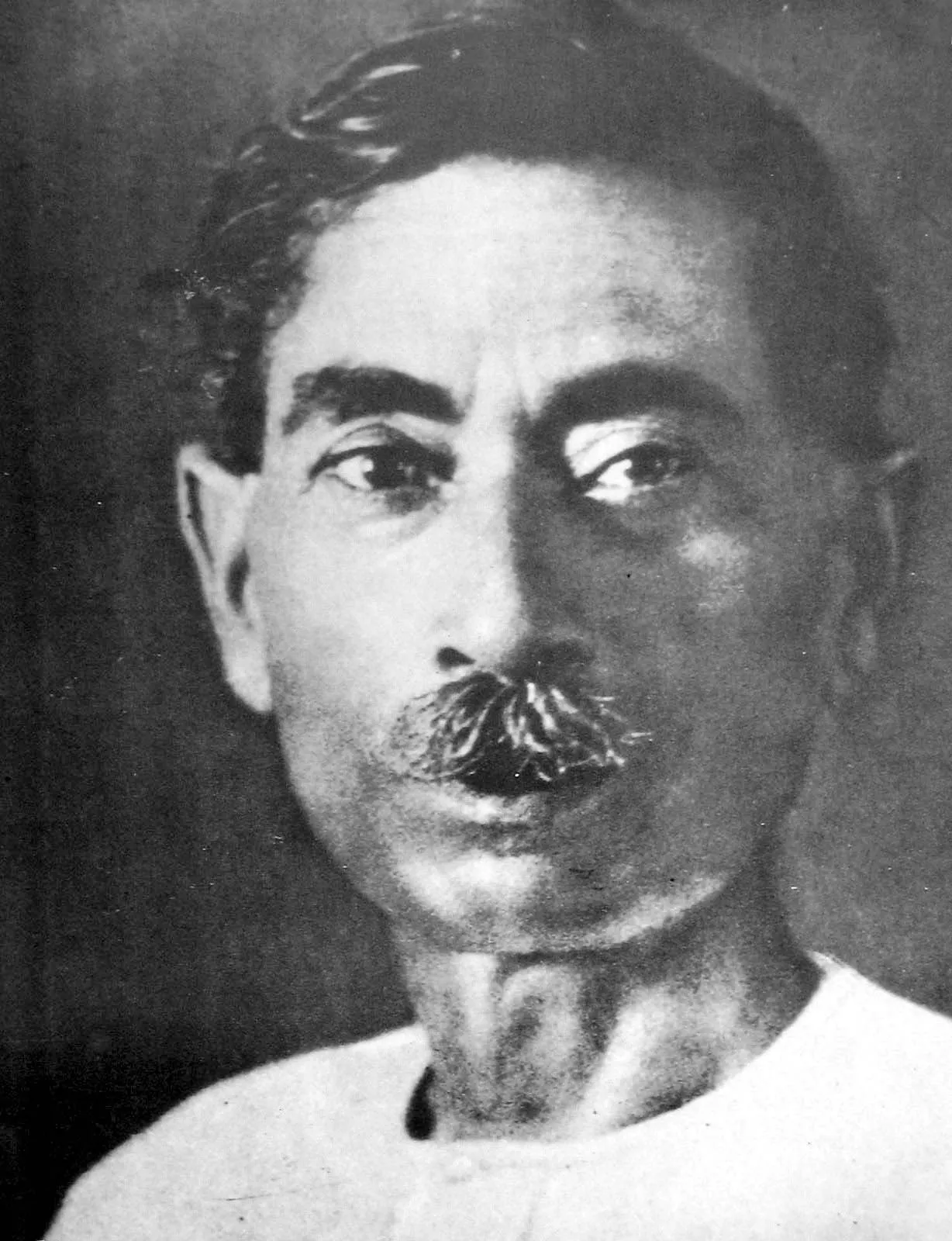
Premchand Makes Rural Life Central to the Modern Novel
Godaan drew together debt, caste and social ambition in a literary world shaped by colonial change.
Dhanpat Rai Srivastava, who wrote under the pen name Premchand, transformed twentieth-century Indian fiction by directing its focus toward the structural hardships of agrarian and domestic life. Born in 1880 in the village of Lamhi near Banaras, he began his literary efforts after an early life shaped by financial strain, the loss of his mother, and responsibilities as a schoolteacher and tutor. His initial works were written in Urdu under the pseudonym Nawab Rai. His earliest short fiction engaged directly with national issues, leading to official suppression when British authorities deemed his collection Soz-e-Watan seditious and had copies of the book burned. Following this intervention, he adopted the name Premchand.
Premchand expanded his writing into Hindi during the mid-1910s, a transition linked to the difficulty of finding Urdu publishers and the better terms offered by Hindi ones. Unlike the romantic or fantastic conventions prevalent in earlier regional narratives, his evolving style favored social realism. In novels such as Seva Sadan, his first major success, he tackled urban morality, courtesan culture, and institutional reform. His personal decisions mirrored his political concerns: in 1921, inspired by Mahatma Gandhi's call during the non-cooperation movement, Premchand resigned from government service, dedicating the remainder of his life to writing, publishing ventures, and political commentary despite constant monetary hardship.

Keep reading in Yester
Coming soon to the App Store
Keep following the story
Sources
Image: Unknown author Unknown author