Hunter-Gatherers Build the Earthworks of Poverty Point
Huge ridges and mounds rose without farming or metal tools.
Over three thousand years ago along Bayou Macon in northeastern Louisiana, indigenous communities shaped millions of basket loads of soil into one of North America's most elaborate ancient landscapes. Constructed during the Late Archaic period, roughly between 1700 and 1100 BCE, the Poverty Point earthworks challenge long-standing assumptions about early societies. Unlike most monumental projects from antiquity, which were supported by agricultural surpluses and centralized monarchies, the vast ridges and mounds here were raised entirely by hunter-gatherer-fishers using stone, bone, and wooden implements.
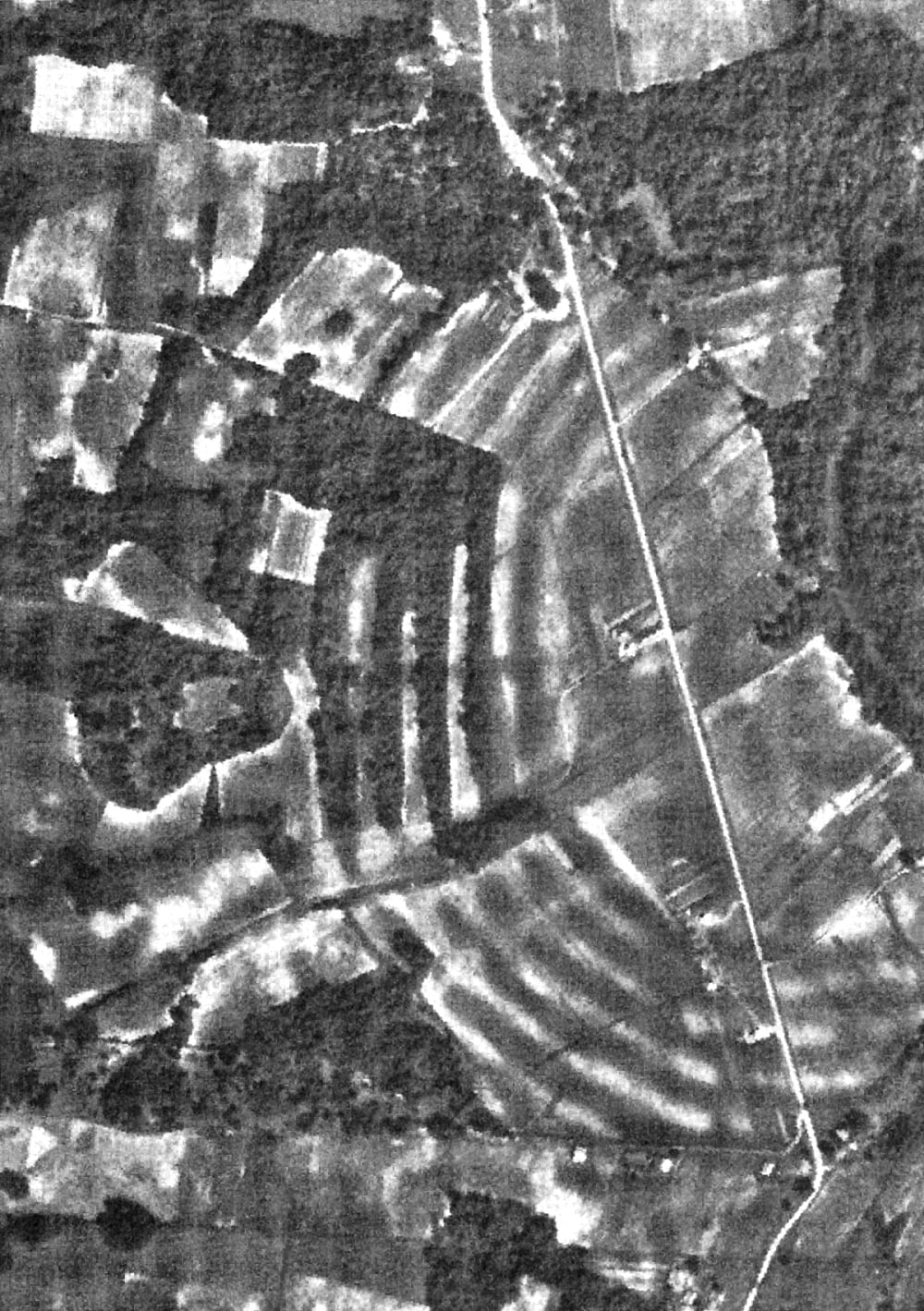
The central design consists of six concentric, C-shaped earthen ridges enclosing a large, level plaza on the eastern edge of Macon Ridge. Divided into sectors by aisles, the outermost ridge spans about 1.14 kilometres, roughly three-quarters of a mile, across. The geometric arrangement is so extensive that researchers only recognized its full layout after examining twentieth-century aerial photography. Modern archaeological work has revealed that even the seemingly natural central plaza was heavily modified, having been artificially filled and leveled, and traces of large rings of wooden posts have been found within it.

Keep reading in Yester
Coming soon to the App Store
Keep following the story
Sources
- Monumental Earthworks of Poverty Point (UNESCO World Heritage Centre)
- Poverty Point (64 Parishes, Louisiana Endowment for the Humanities)
- Archaic Native Americans built massive Louisiana mound in less than 90 days, research confirms (Washington University in St. Louis)
- Archaic Engineers Worked on a Deadline (Archaeology Magazine)
- Poverty Point
Image: United States Army Corps of Engineers