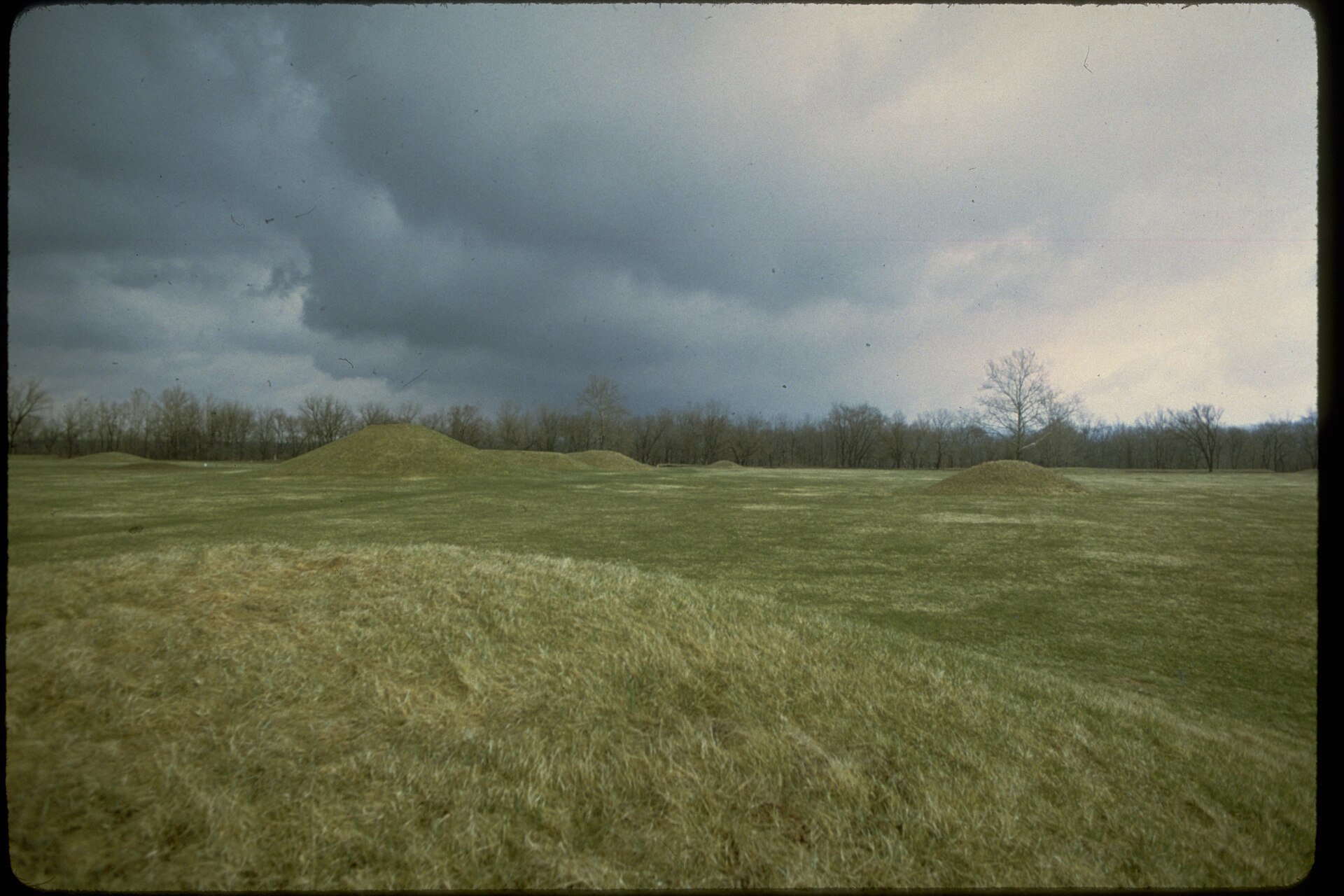
Hopewell Builders Lay Out Vast Geometric Earthworks
Ohio’s mounds held mica, shells and copper traded across much of North America.
During the Middle Woodland period, between approximately 100 BCE and 500 CE, river valleys across eastern North America became connected by a vast exchange network known today as the Hopewell tradition. Rather than representing a single centralized nation or unified ethnic group, the Hopewell phenomenon encompassed many dispersed Indigenous societies linked by trade, shared ceremonial practices, and monumental construction. The geographic focus of this ceremonial activity emerged in the Scioto and Paint Creek valleys of modern southern Ohio, near present-day Chillicothe, where communities constructed elaborate geometric earthworks on an unprecedented scale.
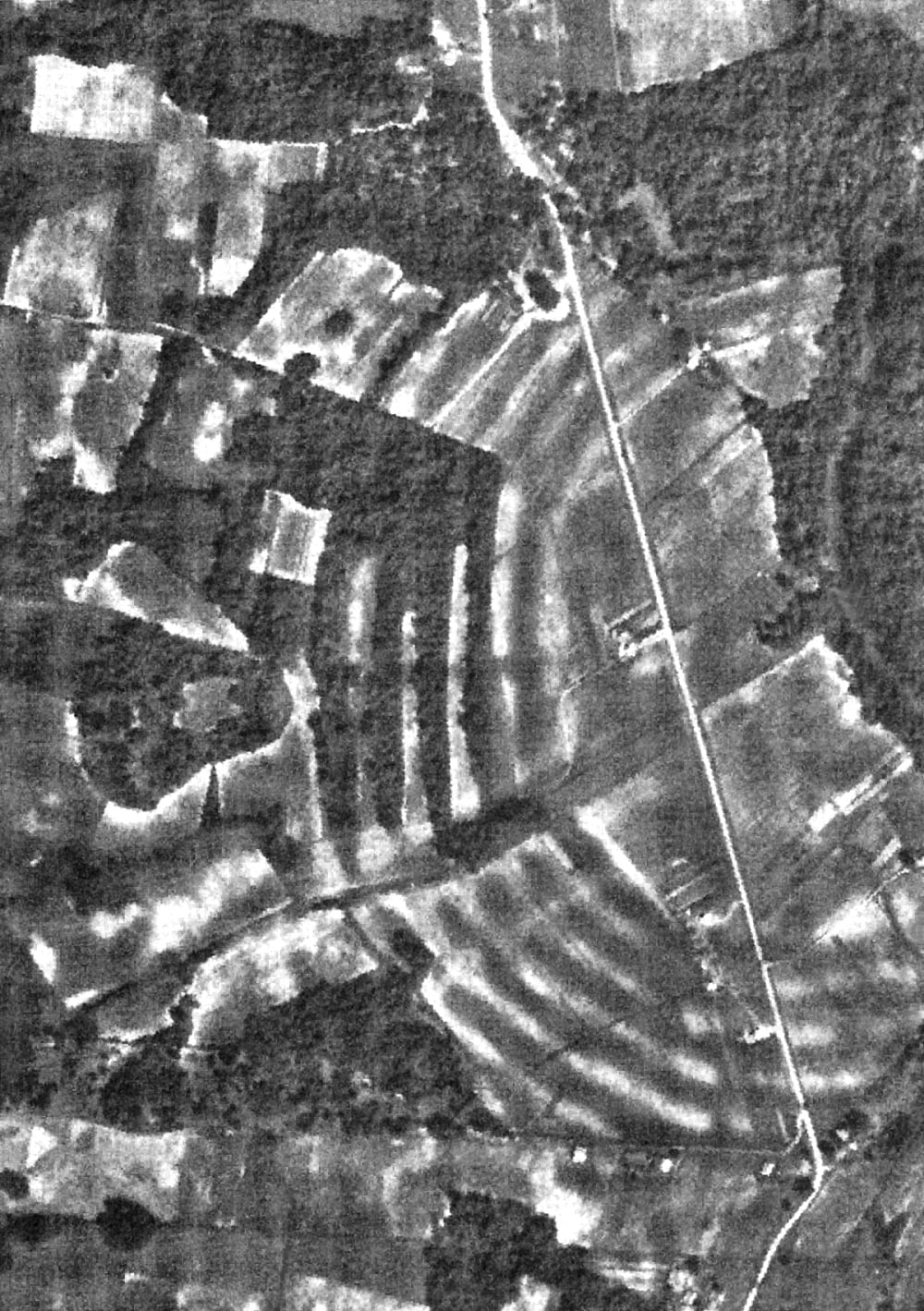
These earthen monuments included immense circles, octagons, squares, and avenues defined by parallel earthen walls, often encompassing dozens or even hundreds of acres. At sites such as Mound City, Hopeton, and the Newark Earthworks, builders cleared and shaped the terrain with precise geometric layouts. Several researchers propose that certain complexes were deliberately oriented toward celestial events. For instance, alignments at the Newark Octagon correspond to the eighteen-point-six-year cycle of lunar rises and settings, while other earthworks appear to mark the solstices, equinoxes, and cross-quarter sunrises.

Keep reading in Yester
Coming soon to the App Store
Keep following the story

Sources
Image: National Park Service Digital Image Archives