The Potato Crosses the Atlantic to Europe
An Andean tuber took generations to become a European staple.
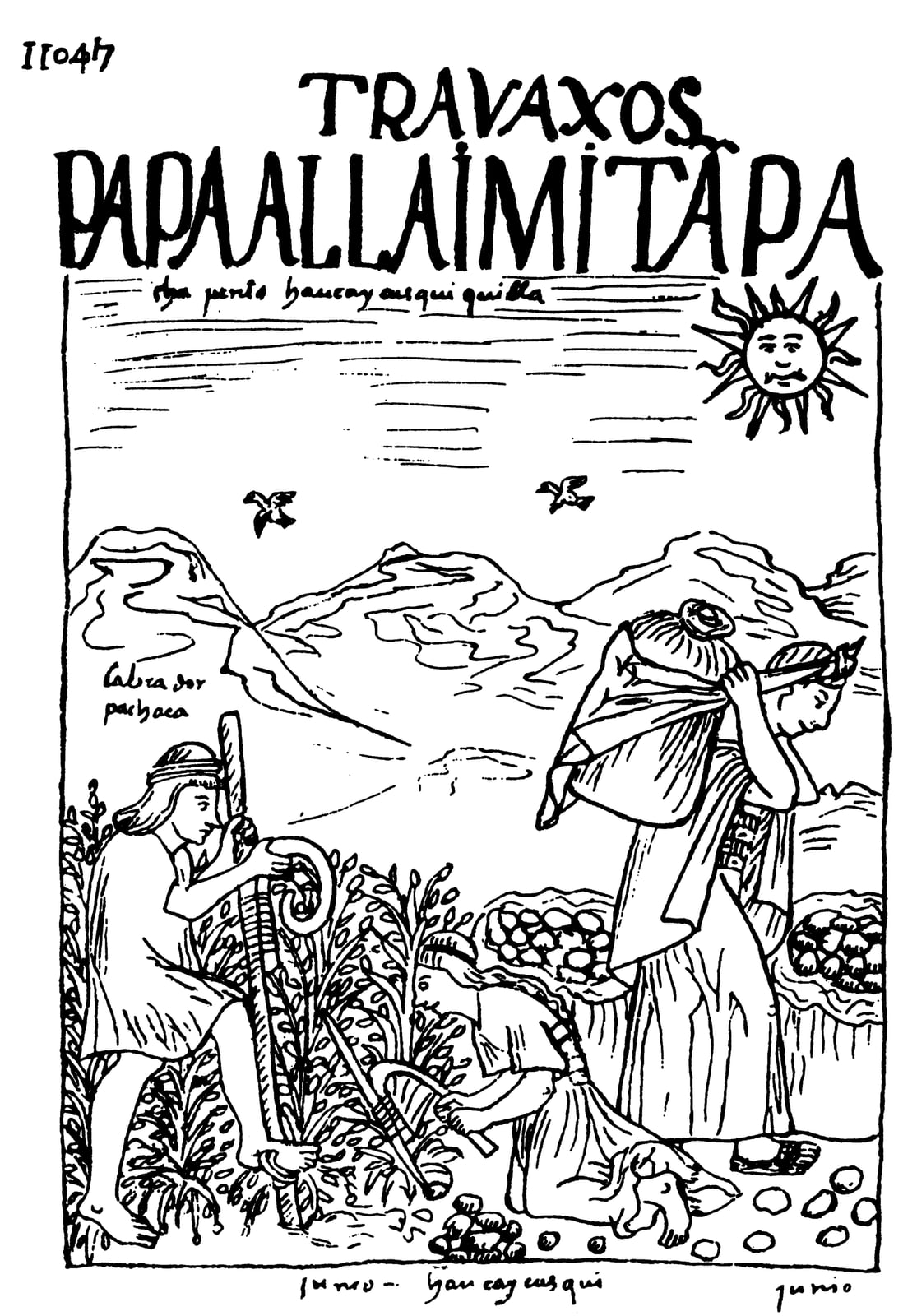
Archaeological evidence indicates that communities in the Andean highlands domesticated the potato thousands of years ago, creating a versatile staple adapted to harsh mountain climates. Archaeologists have reported ancient tubers from the Peruvian coastal site of Ancón, while pottery from Andean cultures frequently depicted the vegetable. Across the Altiplano, societies developed chuño, a freeze-dried potato product that could remain preserved for years without spoiling. This enduring shelf life allowed Andean states, including the Inca Empire, to provision armies and maintain food reserves during famines. When Spanish forces conquered the region in the sixteenth century, they commandeered this indigenous staple to feed laborers in the silver mines.
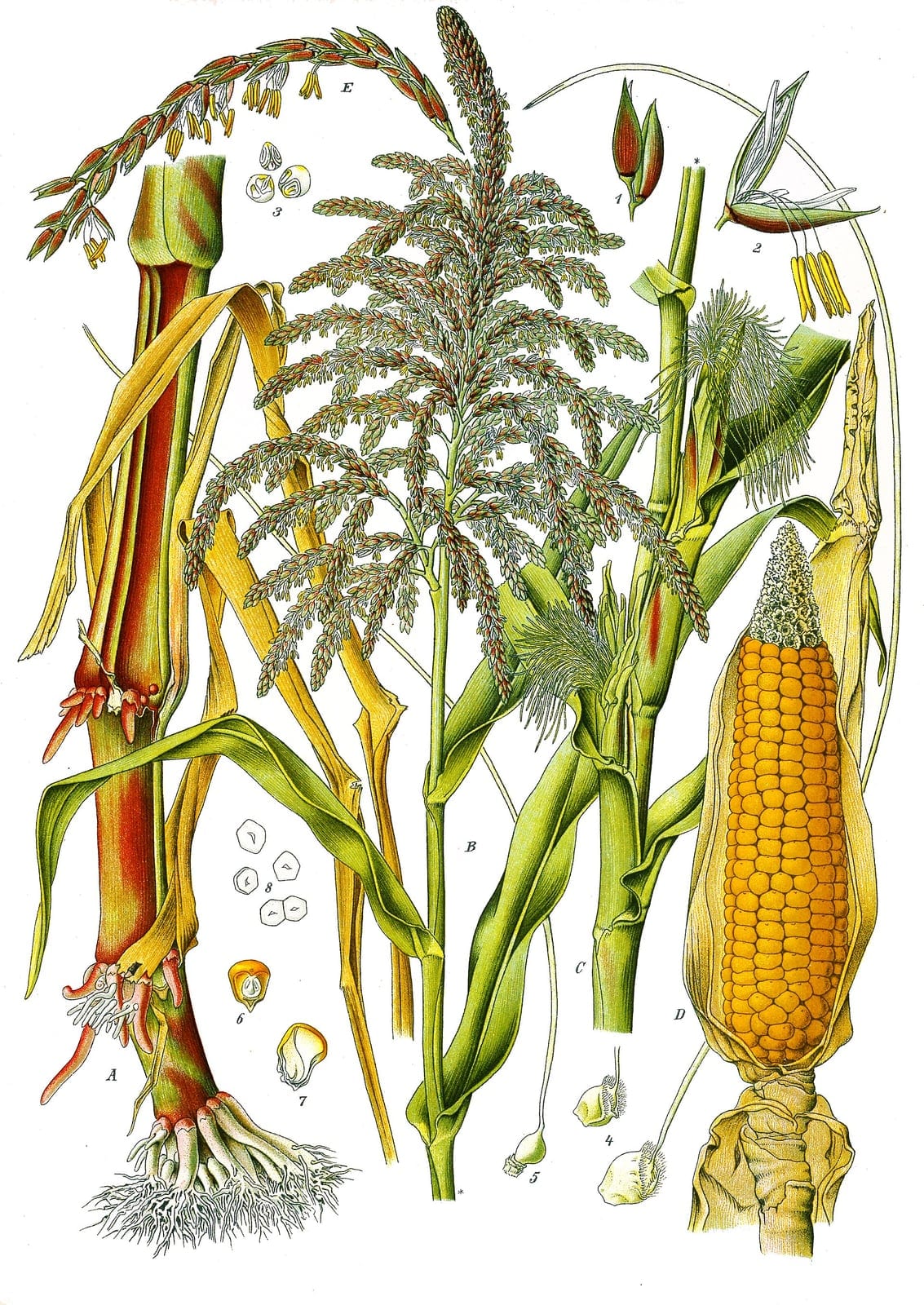
Europeans first recorded encounters with the crop during military campaigns in South America in the late 1530s. Spanish sailors returning across the Atlantic carried tubers alongside maize for their provisions, occasionally leaving leftover stores at entry ports. Transport records confirm that potatoes reached the Canary Islands by the 1560s, with a documented delivery from Las Palmas to Antwerp recorded in 1567. Historians trace the initial arrival of the plant into mainland Europe to Spain around 1570, followed by a separate introduction into the British Isles between 1588 and 1593. Botanists such as Carolus Clusius documented specimens in the Low Countries shortly thereafter.

Keep reading in Yester
Coming soon to the App Store
Keep following the story
Sources
- How the Potato Changed the World (Smithsonian Magazine)
- Ancient Potato Varieties of the Canary Islands: Their History, Diversity and Origin of the Potato in Europe (Potato Research, Springer)
- La pomme de terre (BnF Passerelles, Bibliotheque nationale de France)
- Antoine Parmentier, un scientifique philanthrope (Universite de Liege, Culture)
- Potatoes for all! Kartoffelbefehl, 24 March 1756 (Deutschland Museum)
- History of the potato
Image: Felipe Huaman Puma de Ayala