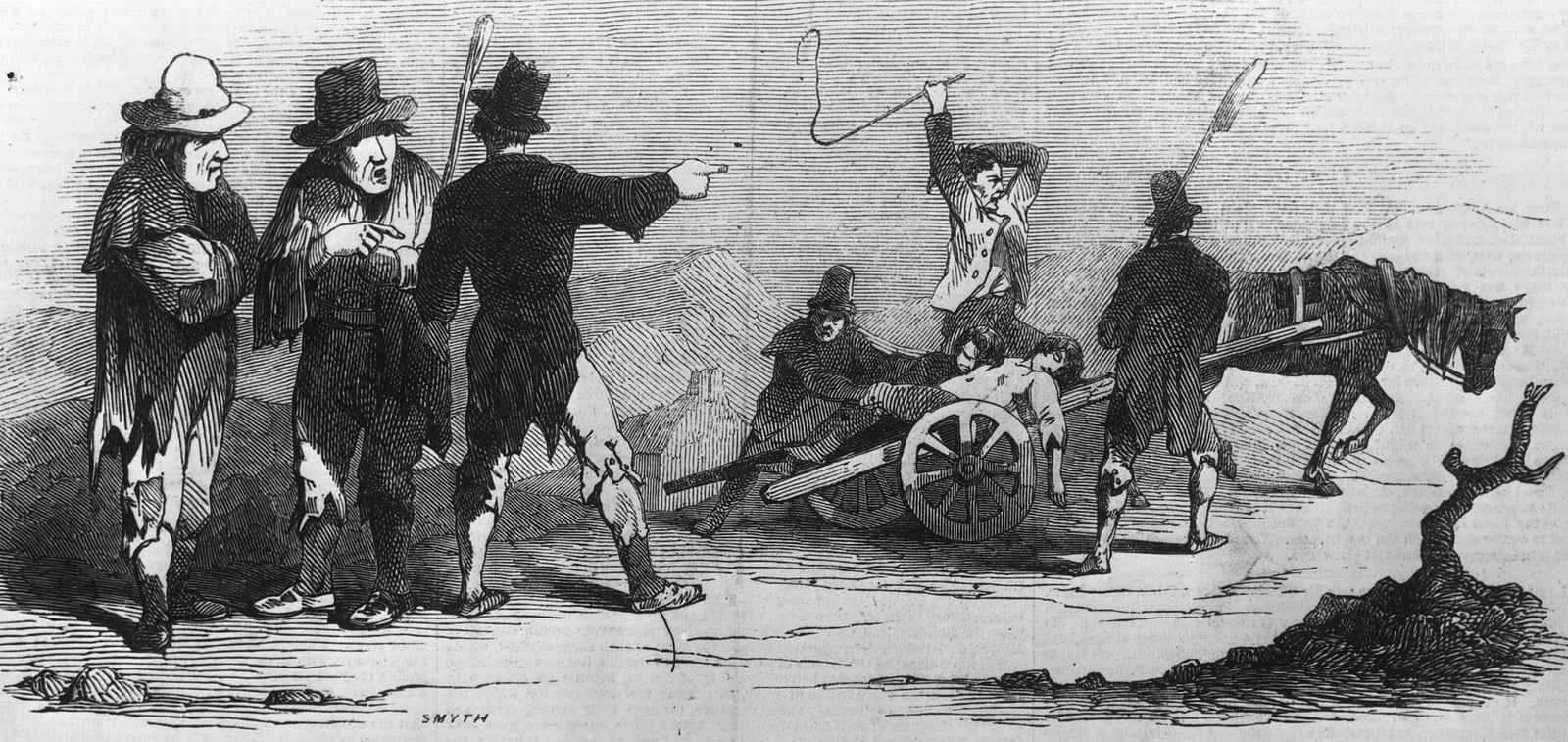
The Great Famine Devastates Ireland
Potato blight and government policy led to mass death and emigration.
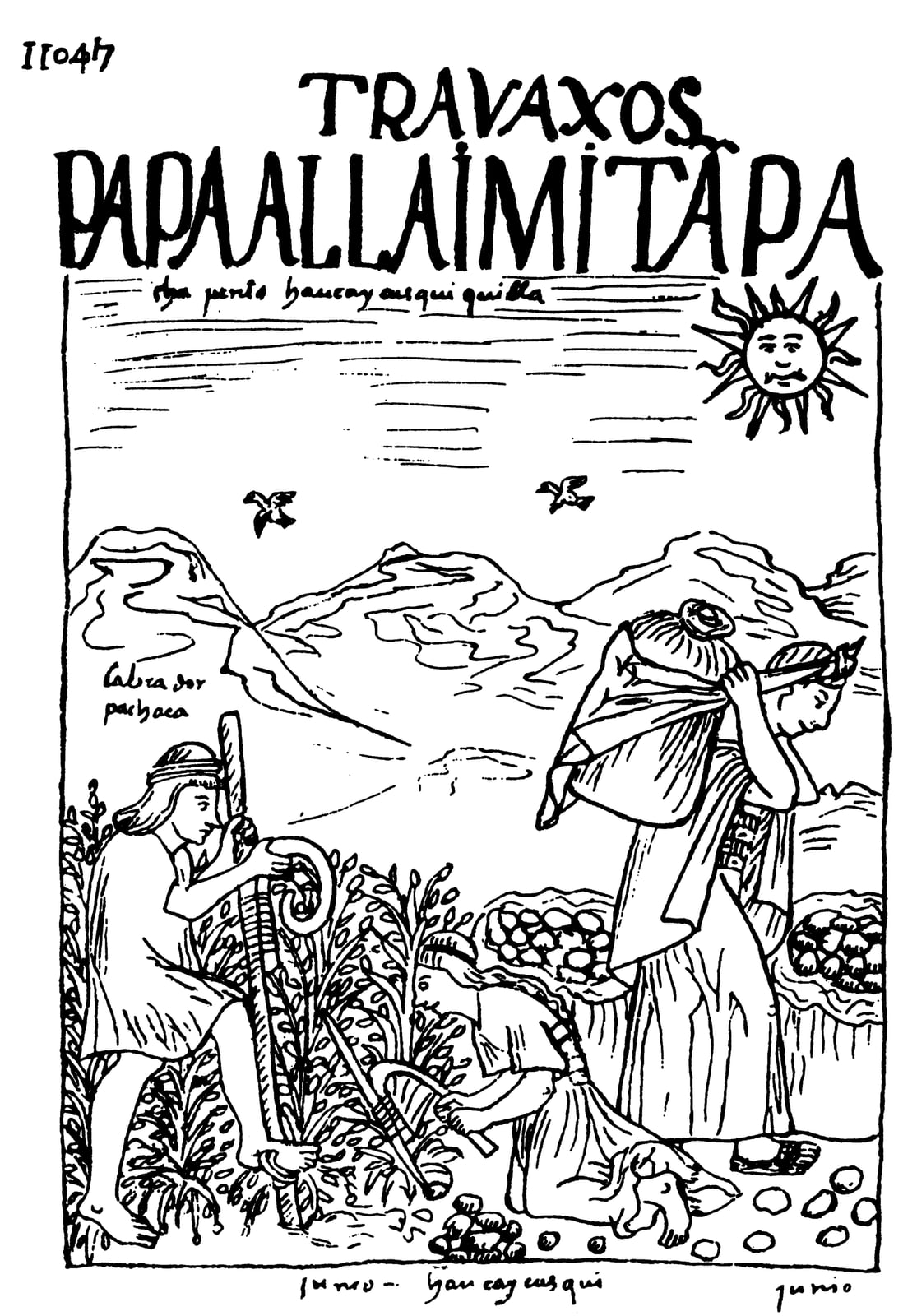
In the late summer of 1845, a ruinous agricultural pathogen known as Phytophthora infestans began destroying Irish potato crops. The oomycete had already caused substantial damage across continental Europe and North America, but its arrival in Ireland struck an exceptionally vulnerable population. More than a third of the island's population depended almost completely on the potato for daily sustenance. Because earlier subdivisions had reduced tenant plots to tiny parcels, smallholders lacked the acreage to grow alternative crops in sufficient quantities to feed their families.
The disaster was deepened by the structural inequalities of the Irish land system. Much of the countryside belonged to Anglo-Irish or British proprietors, many of whom lived abroad as absentee landlords and managed their properties through middlemen. These intermediaries extracted high rents by continually dividing holdings among poor cottiers and tenant farmers who possessed little security of tenure. The government had already set up a royal inquiry into Irish land occupation, known as the Devon Commission, which documented severe privation among laborers.

Keep reading in Yester
Coming soon to the App Store
Keep following the story
Sources
Image: Frederick James Smyth