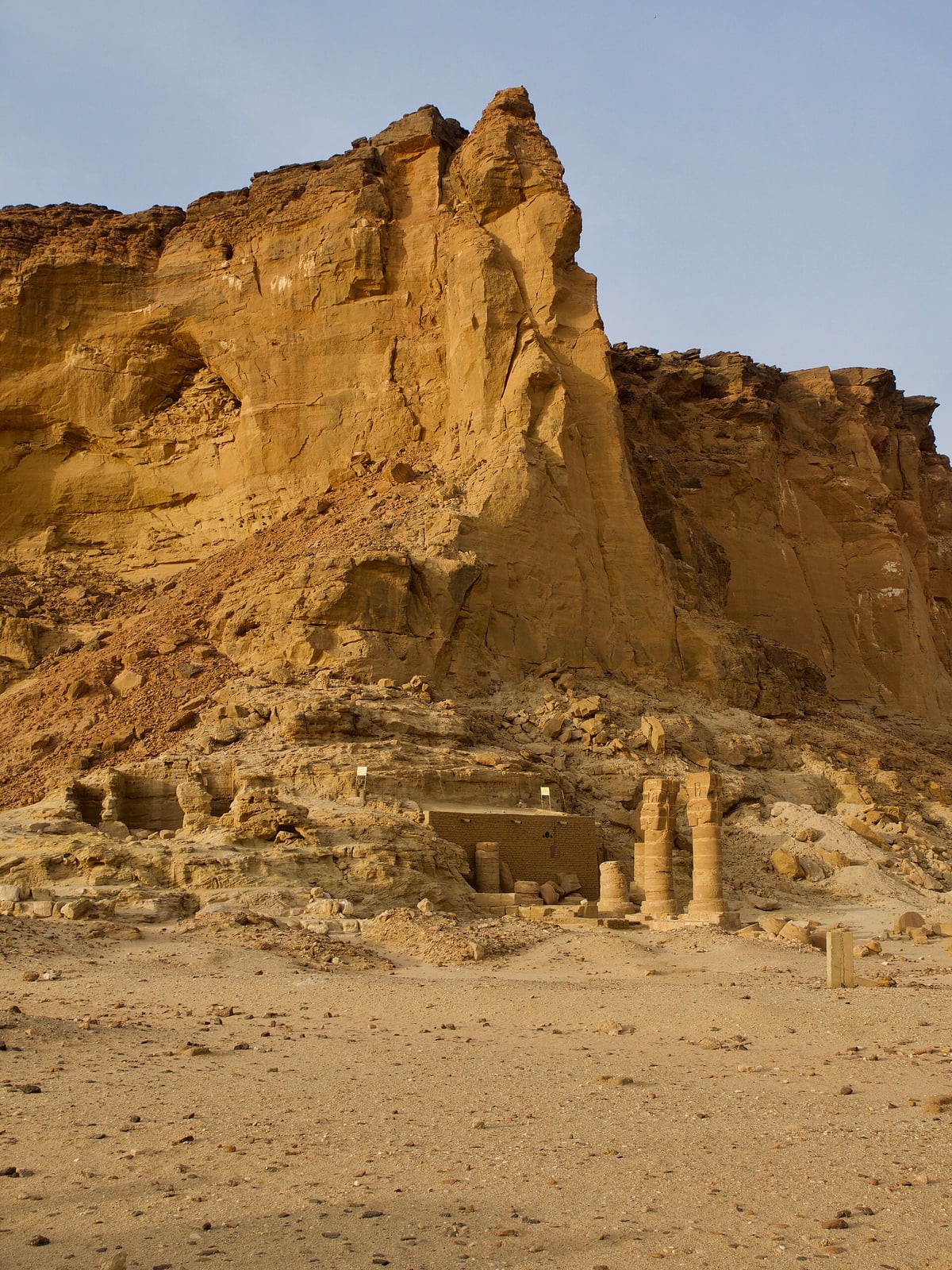
Piye of Kush Conquers Egypt
A Nubian king founded the dynasty of Kushite pharaohs.
During the eighth century BCE, the kingdom of Kush emerged as a formidable political power along the Middle Nile. Operating from his royal capital at Napata in northern Nubia, the Kushite monarch Piye presided over an era of southward consolidation and northern expansion. The region of Upper Egypt had already entered his orbit of influence, but Egypt as a whole remained fragmented under competing dynastic lineages, regional governors, and petty kings throughout the Nile Delta and Middle Egypt. Piye utilized both religious legitimacy and military force to assert authority over these divided territories.
A crisis erupted around his twentieth regnal year when Tefnakht, a prince based in Sais, formed a broad coalition among northern Egyptian rulers to counter Kushite influence. Tefnakht successfully persuaded Nimlot of Hermopolis, who had previously been allied with Nubia, to defect to the northern alliance. The allied forces then moved south to lay siege to Herakleopolis, where the regional ruler Peftjauawybast and Kushite military officers urgently appealed to Piye for intervention. Piye assembled an expeditionary army to relieve the siege and advance into Middle and Lower Egypt.

Keep reading in Yester
Coming soon to the App Store
Keep following the story


Sources
Image: Laurent de Walick