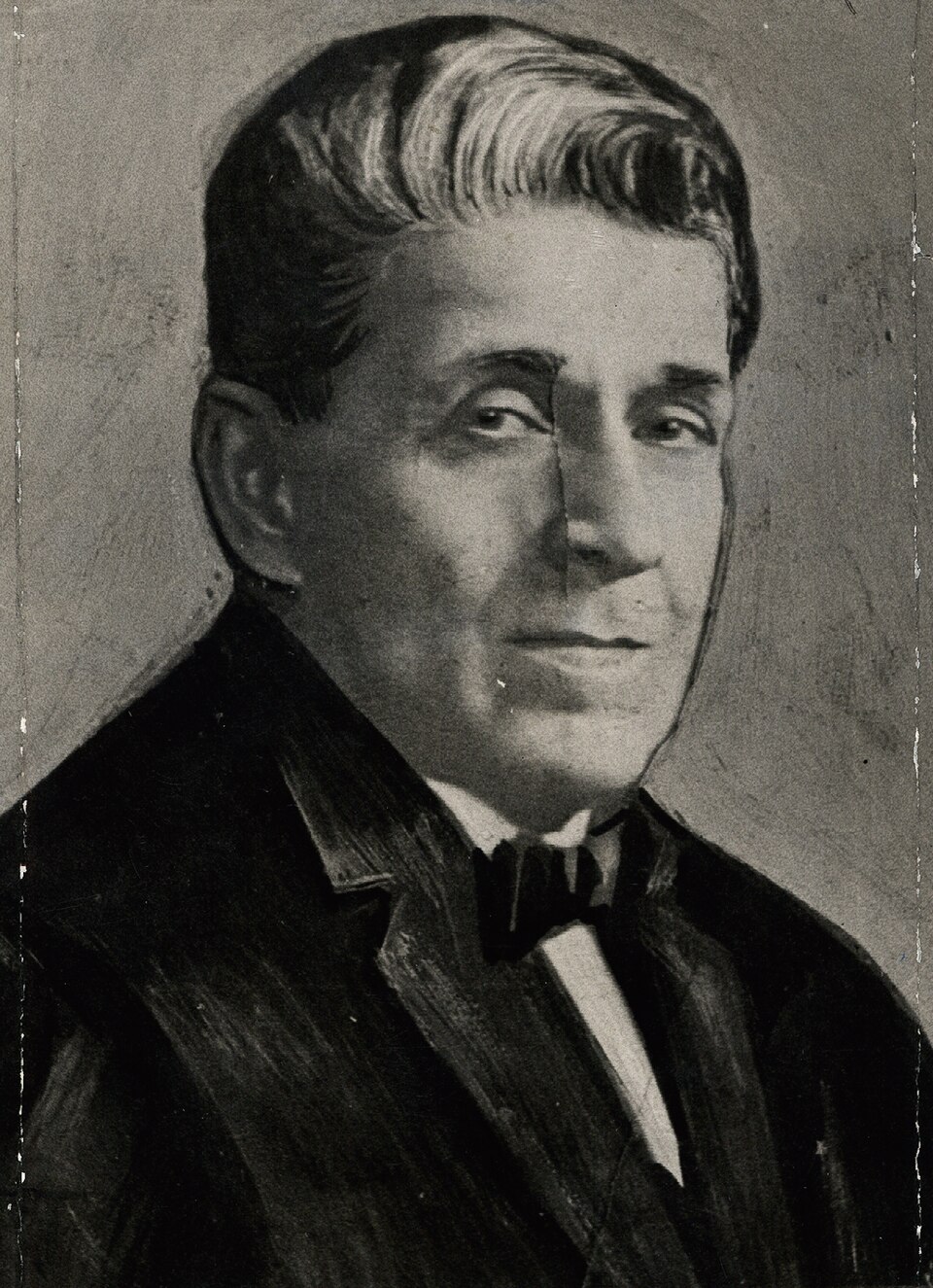
Ernesto Nazareth Connects the Piano with Rio’s Rhythms
A composer’s Brazilian tangos moved between domestic music-making, entertainment venues and the concert repertoire.
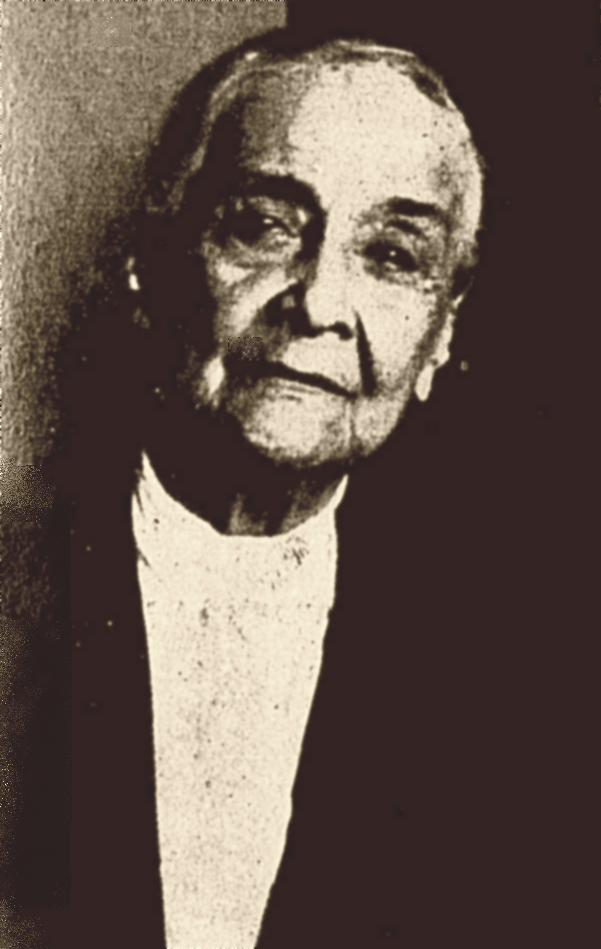
In 1893, the publishing house Casa Vieira Machado released Brejeiro, an instrumental piece composed by Ernesto Nazareth in Rio de Janeiro. Labeled as a Brazilian tango, the work quickly circulated across the country and achieved international attention, eventually entering the repertoire of the Republican Guard band of Paris. Born in Rio de Janeiro in 1863, Nazareth had begun his musical education under his mother, Carolina da Cunha, before studying with Eduardo Madeira and Charles Lucien Lambert following her death. By the age of fourteen, he had already published his initial composition, Você Bem Sabe, and began playing at local balls, cafes, and theater waiting areas.
Nazareth established his reputation by blending European concert models with popular vernacular expressions found throughout urban Brazil. Strongly affected by the style of Frederic Chopin, he drew upon diverse rhythms such as the polka, the habanera, and the lundu, alongside later influences from ragtime and African musical traditions. Rather than designating his energetic instrumental dance pieces as maxixes, a genre often viewed critically by polite society, he categorized them as Brazilian tangos. These works proved fundamental in shaping the emergent style known as choro, providing a bridge between formal salon piano techniques and the syncopated vitality of street melodies.

Keep reading in Yester
Coming soon to the App Store
Keep following the story
Sources
Image: Unknown Unknown