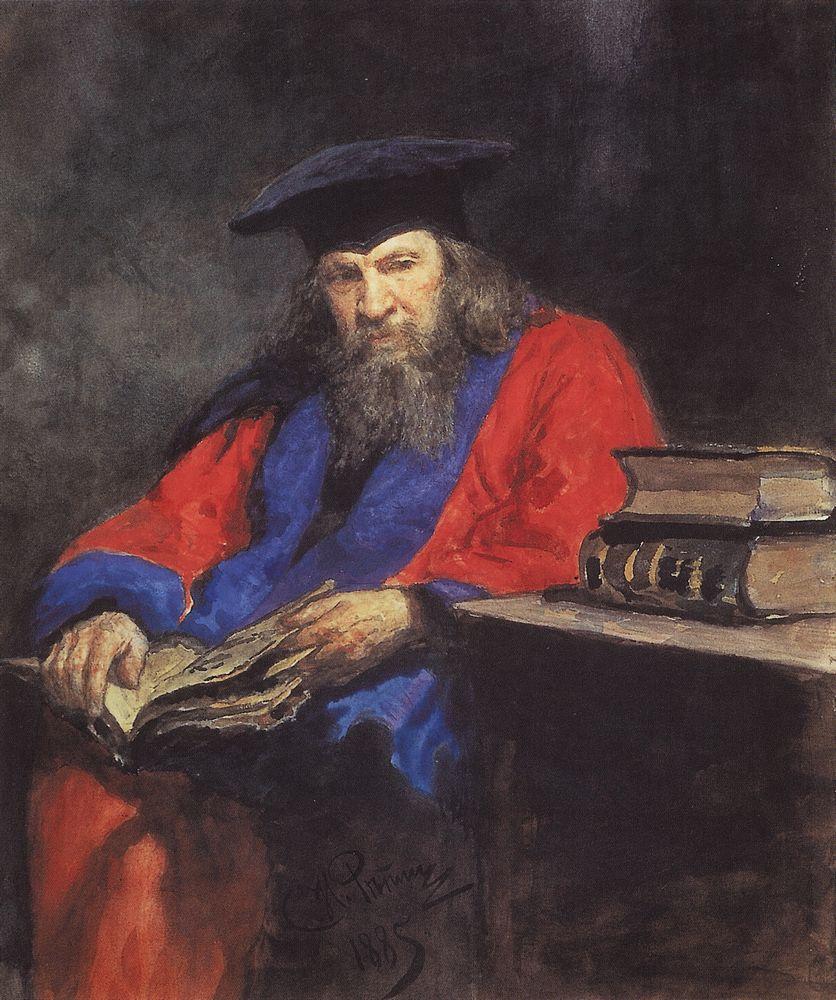
The Table That Left Room for the Unknown
Mendeleev arranged the elements into a pattern and trusted it enough to leave gaps. Those empty spaces became predictions that other chemists could test.
An empty space can look like a failure to finish a table. For Dmitri Mendeleev, it could be a claim about something nobody had yet identified. In 1869, he arranged the known chemical elements in a scheme that related their atomic weights to recurring chemical properties. Where the pattern seemed to demand an element that was missing, he could leave a gap rather than force the available names into a misleadingly complete arrangement.
Chemists already knew that certain elements behaved in related ways. The difficulty was to organize those similarities into a useful whole. Mendeleev worked within a broader search that included figures such as John Newlands and Lothar Meyer, rather than inventing classification from nothing. His table emerged from efforts to compare substances systematically. An element’s position was meant to tell a chemist something about its relationships, not merely provide an address in a list.

Keep reading in Yester
Coming soon to the App Store
Keep following the story
Sources
Image: Ilya Repin