The Penny Black Makes Postage Cheap and Simple
Rowland Hill’s reform brought the first adhesive stamp and a flat one-penny rate.
During the 1830s, the postal system in Britain was cumbersome, slow, and expensive. Mail rates were calculated using complicated sliding scales based on the distance a letter travelled and the number of paper sheets it contained. Payment was routinely collected from the recipient rather than the sender, a practice that frequently resulted in refused deliveries and widespread deceit. At the same time, members of Parliament and titled dignitaries used franking privileges to send their correspondence entirely for free, leaving regular commercial users and private individuals to bear the exorbitant costs of communication.
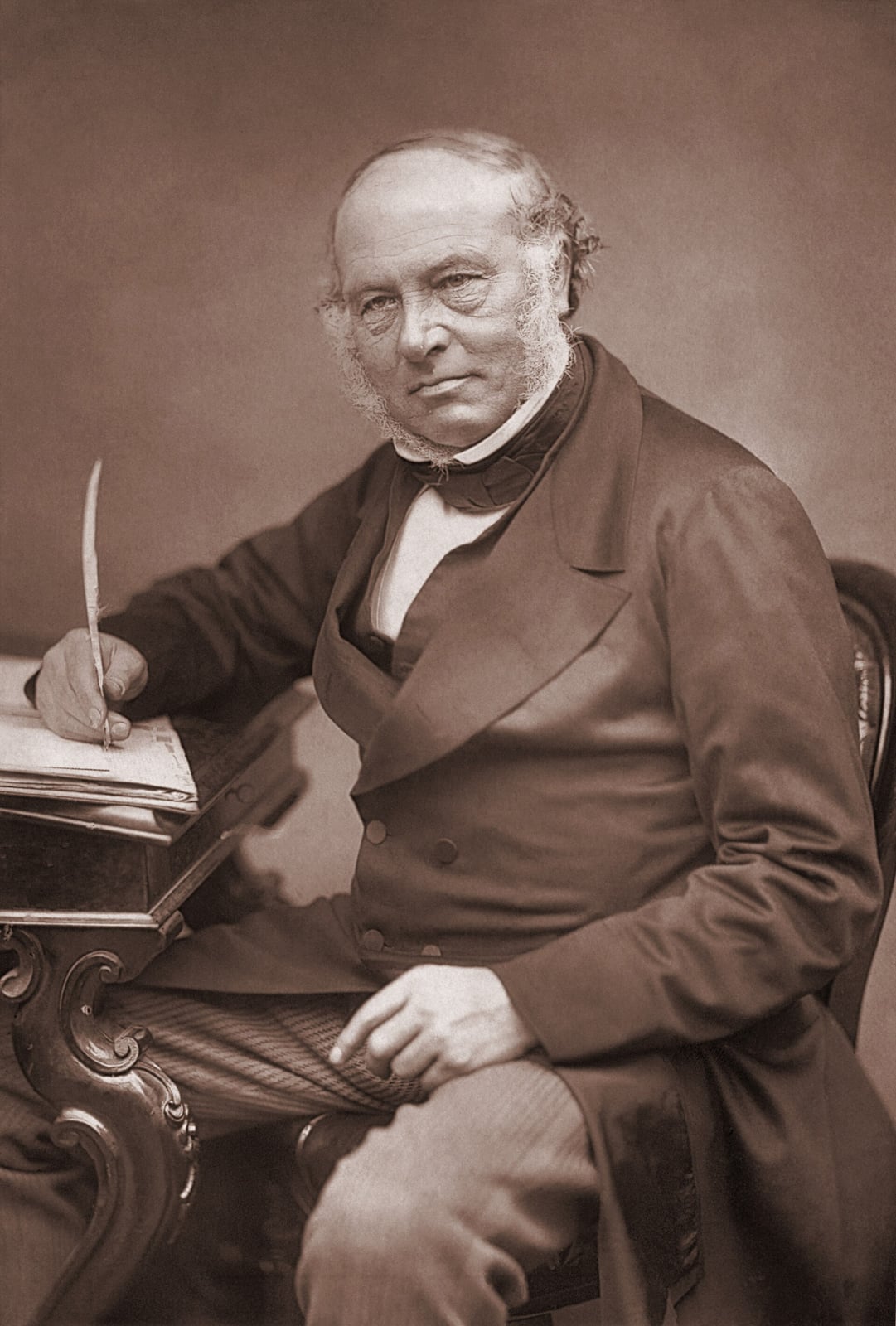
Rowland Hill, an English former schoolmaster and inventor who was then serving as secretary to the South Australian Colonization Commission, turned his attention to these structural inefficiencies in 1835. Drawing on administrative data supplied by the member of Parliament Robert Wallace, alongside analytical observations from the mathematician Charles Babbage, Hill concluded that transportation was not the primary driver of postal expenditures. The real operational burdens lay in the clerical handling required at collection and destination points, where letters had to be individually assessed, recorded, and charged to recipients.

Keep reading in Yester
Coming soon to the App Store
Keep following the story
Sources
Image: The photographer is not credited in the book. I've found one other (poor quality) copy of the photo on the internet - at corbis.com , also uncredited.