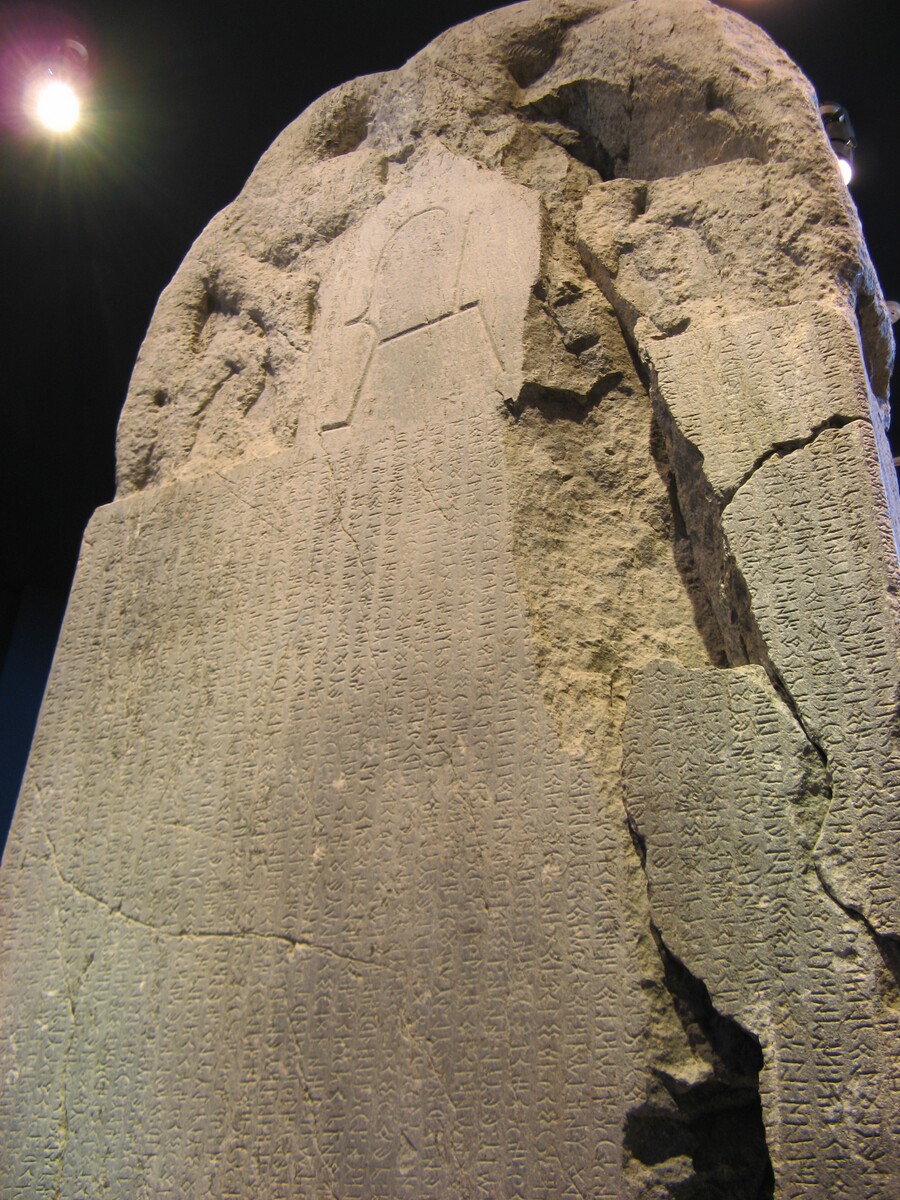
The Göktürks Carve Their History in Old Turkic
Stone steles honoring Kül Tigin are the oldest known long texts in a Turkic language.
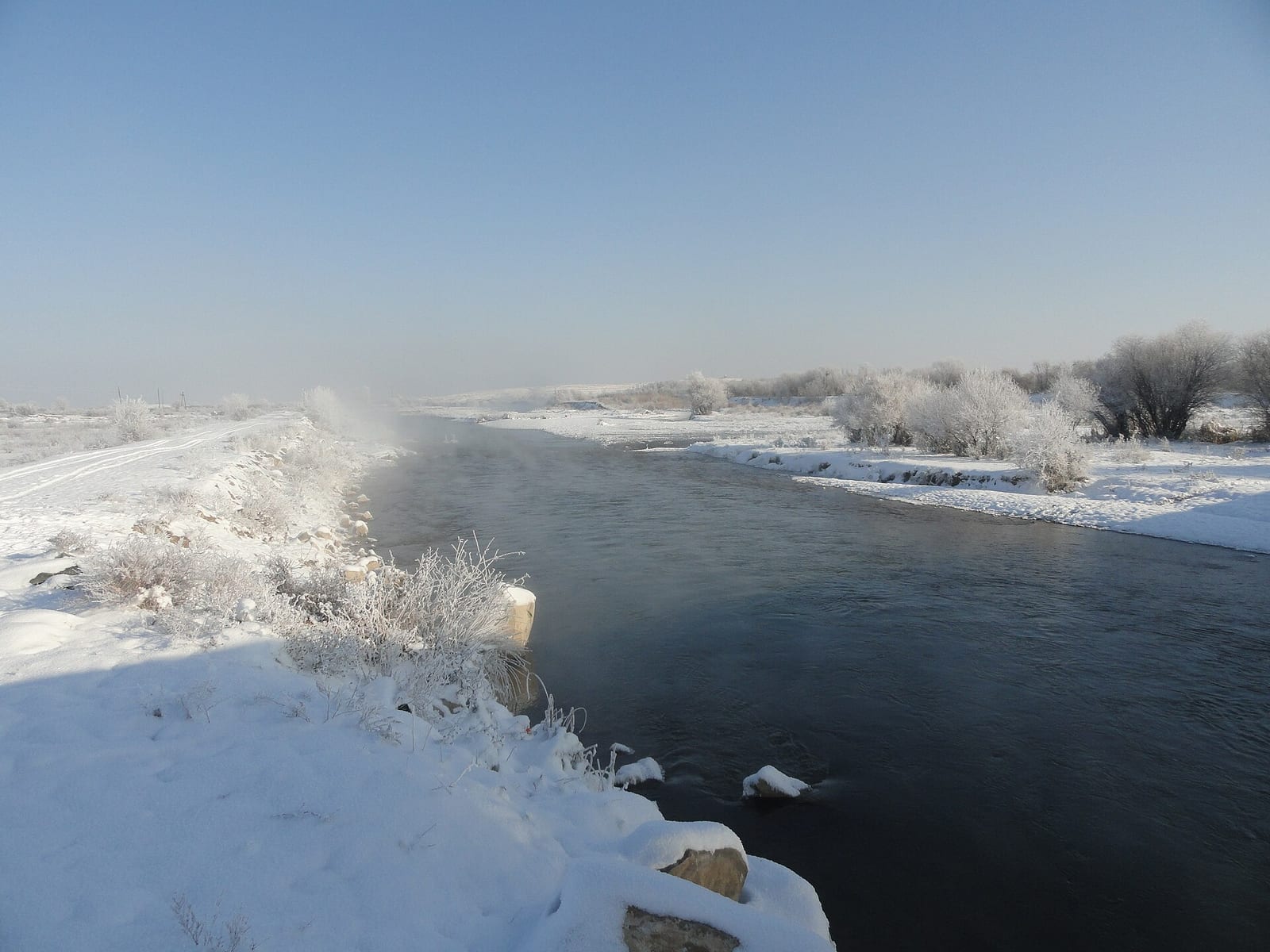
In the early eighth century, the rulers of the Second Turkic Khaganate raised carved stone monuments along the Orkhon River in what is now central Mongolia. Set up in walled compounds on sculptured stone turtles, these large memorial steles honored the military commander Kul Tigin and his brother, the ruler Bilge Qaghan. The surfaces carry parallel accounts carved in Middle Chinese and Old Turkic script. Together with the nearby Tonyukuk monuments, they preserve the oldest known long records of a Turkic language, capturing the political perspective of a nomadic empire at its height.
The texts were authored by Yollig Tigin, a younger kinsman of Bilge Qaghan and Kul Tigin, who recorded the deeds, ancestry, and warnings of his family. Across all four faces of the steles, the narrative recounts the origins of the Turks, their subjugation by China's Tang dynasty, and their eventual liberation led by Ilterish Qaghan. Bilge Qaghan outlines his broad military campaigns across northern Asia, claiming to have gathered dispersed groups, clothed the poor, and brought security to his realm. Alongside these royal boasts, the inscriptions contain advice on maintaining imperial cohesion, specifically urging the people to remain based in the sacred Otuken mountains.

Keep reading in Yester
Coming soon to the App Store
Keep following the story
Sources
Image: Betta27