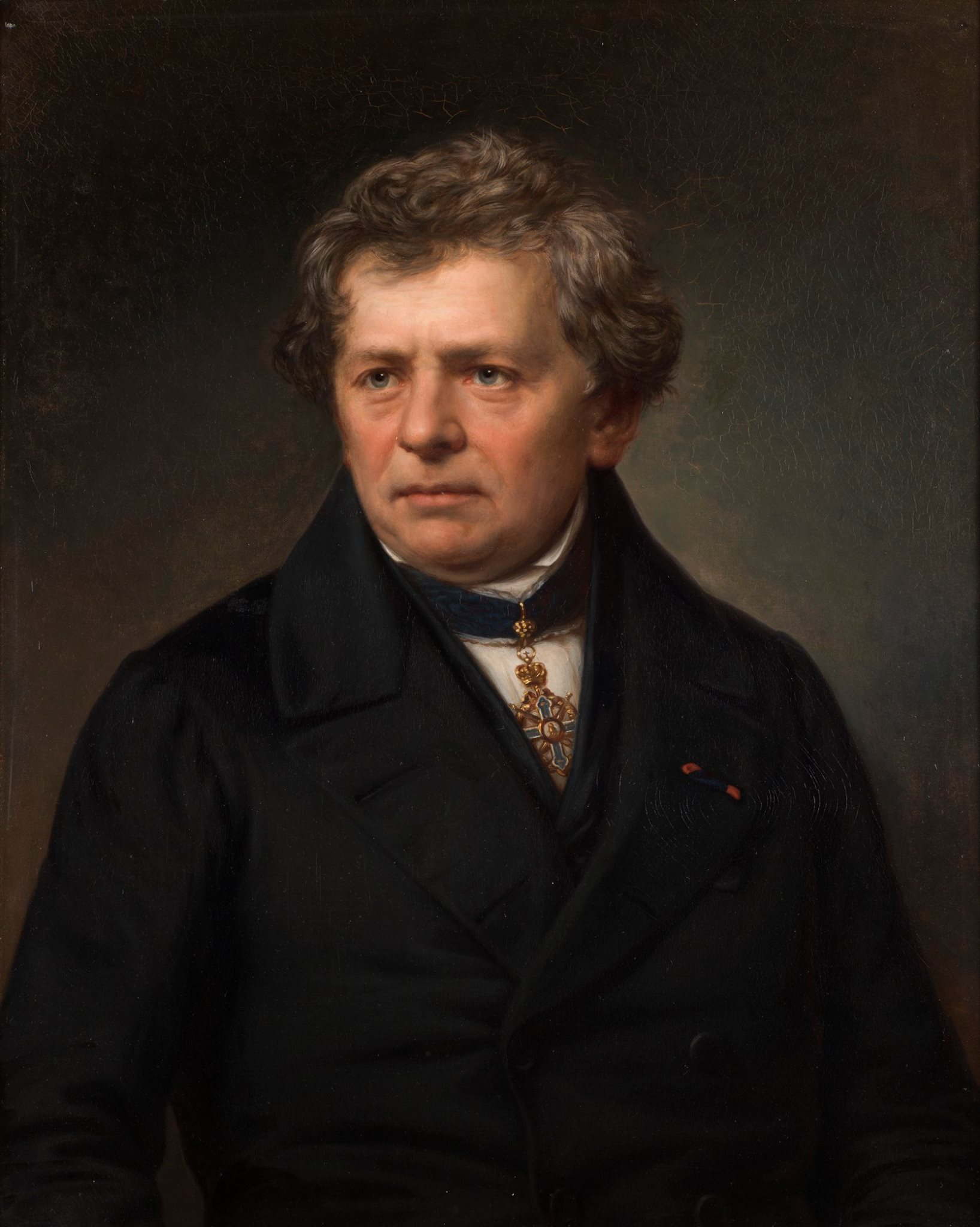
Ohm Finds a Mathematical Relationship in Electric Circuits
Experiments linked current, voltage and resistance in a form that became central to electrical engineering.
In 1827, German schoolteacher Georg Simon Ohm published a treatise titled Die galvanische Kette, mathematisch bearbeitet, presenting an exact mathematical analysis of electric circuits. Working primarily with custom apparatus that drew on early electrochemical technology, Ohm investigated how electrical currents behaved across conductive materials of varying lengths and properties. His findings challenged prevailing approaches by defining a strict proportionality connecting the electromotive force applied across a conductor, the magnitude of the resulting current, and the resistance inherent to that portion of the circuit.
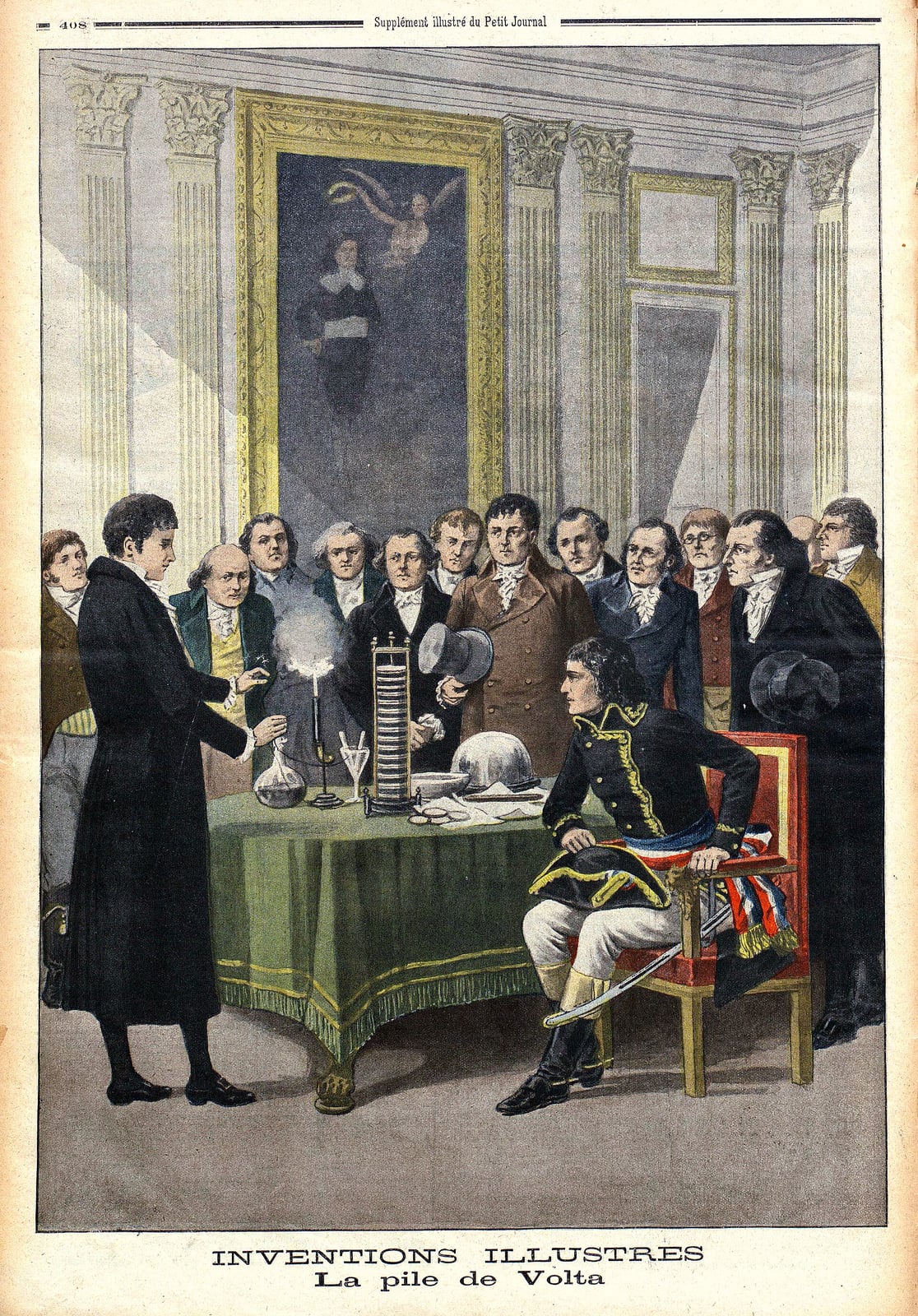
Ohm had developed an early affinity for mathematical and mechanical sciences under the guidance of his father, a locksmith in Erlangen. Although his early teaching appointments at secondary schools in Bamberg offered few resources, his relocation in 1817 to the Jesuit Gymnasium in Cologne granted him access to a well-equipped laboratory. Drawing upon practical craftsmanship acquired in his youth, Ohm constructed specialized instruments to test the behavior of galvanic electricity, an inquiry inspired by the electrochemical cell devised earlier by Alessandro Volta.

Keep reading in Yester
Coming soon to the App Store
Keep following the story
Sources
Image: Original: unknown