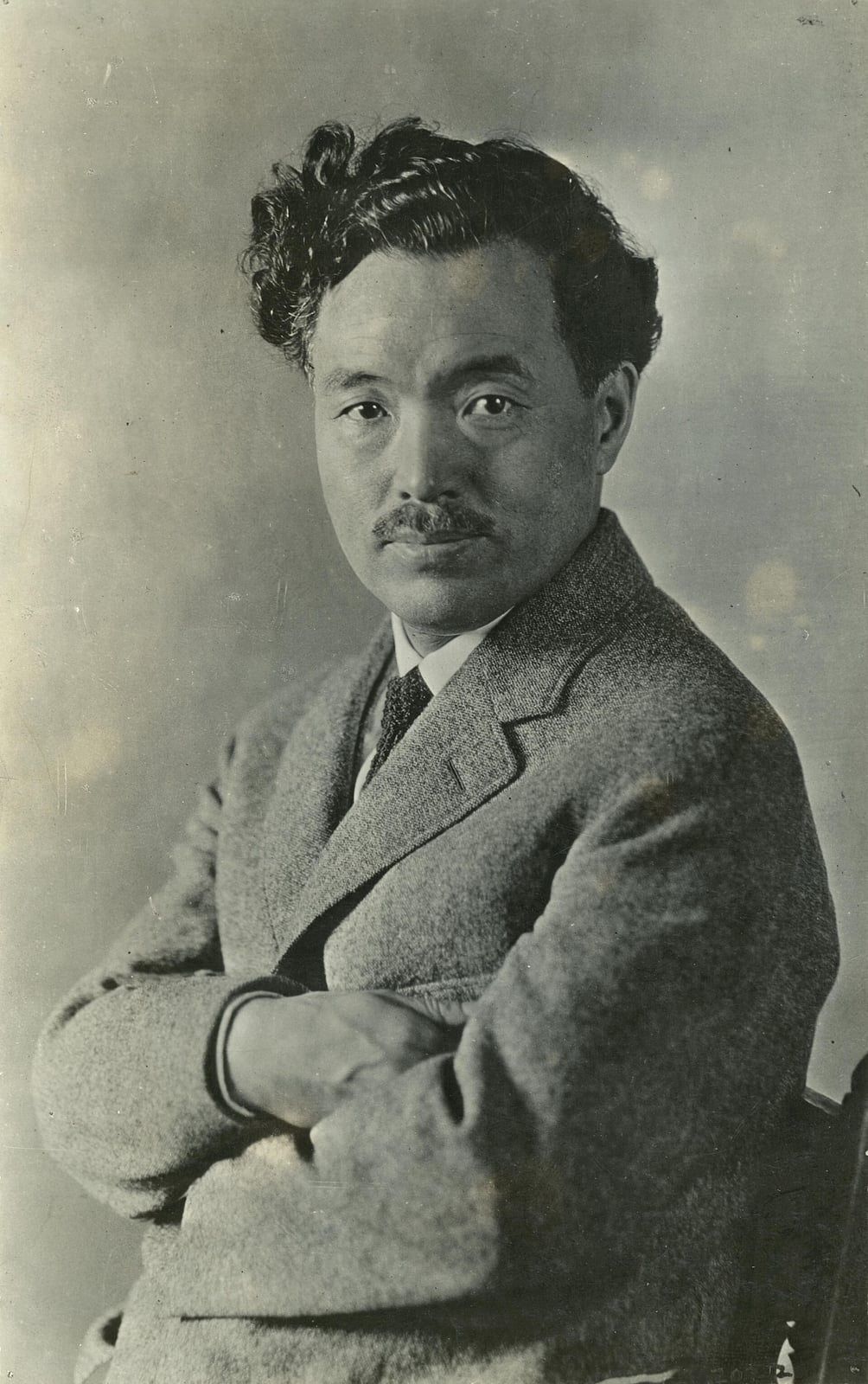
Hideyo Noguchi Connects a Pathogen with a Neurological Disease
A finding about syphilis and paralysis became a major achievement in a scientific career with a complicated later record.
During the early twentieth century, the origins of severe psychiatric disorders remained deeply controversial within clinical medicine. Syphilis had long been recognized as a widespread venereal infection, yet its relationship to chronic neurological degeneration was difficult to confirm through physical pathology. In hospitals and asylums, patients with general paresis suffered progressive paralysis, dementia, and death within a few years of diagnosis. While many physicians suspected an underlying organic cause, proving that a specific infectious pathogen directly produced such psychiatric deterioration remained elusive.
Bacteriologist Hideyo Noguchi addressed this uncertainty while working at the Rockefeller Institute under the direction of Simon Flexner. Born in Fukushima Prefecture, Noguchi had qualified as a physician in Japan despite severe injuries to his left hand from an infancy accident. After relocating to the United States in late 1900, he conducted research on snake venom under Flexner at the University of Pennsylvania, with support from Silas Weir Mitchell, before joining Flexner's new institute in New York. There, Noguchi confirmed the presence of Treponema pallidum shortly after Fritz Schaudinn and Erich Hoffmann first identified it as the syphilis spirochete in Europe.

Keep reading in Yester
Coming soon to the App Store
Keep following the story
Sources
Image: Unknown author Unknown author