Namibia Becomes Independent
A long struggle ended with independence and a new constitution.
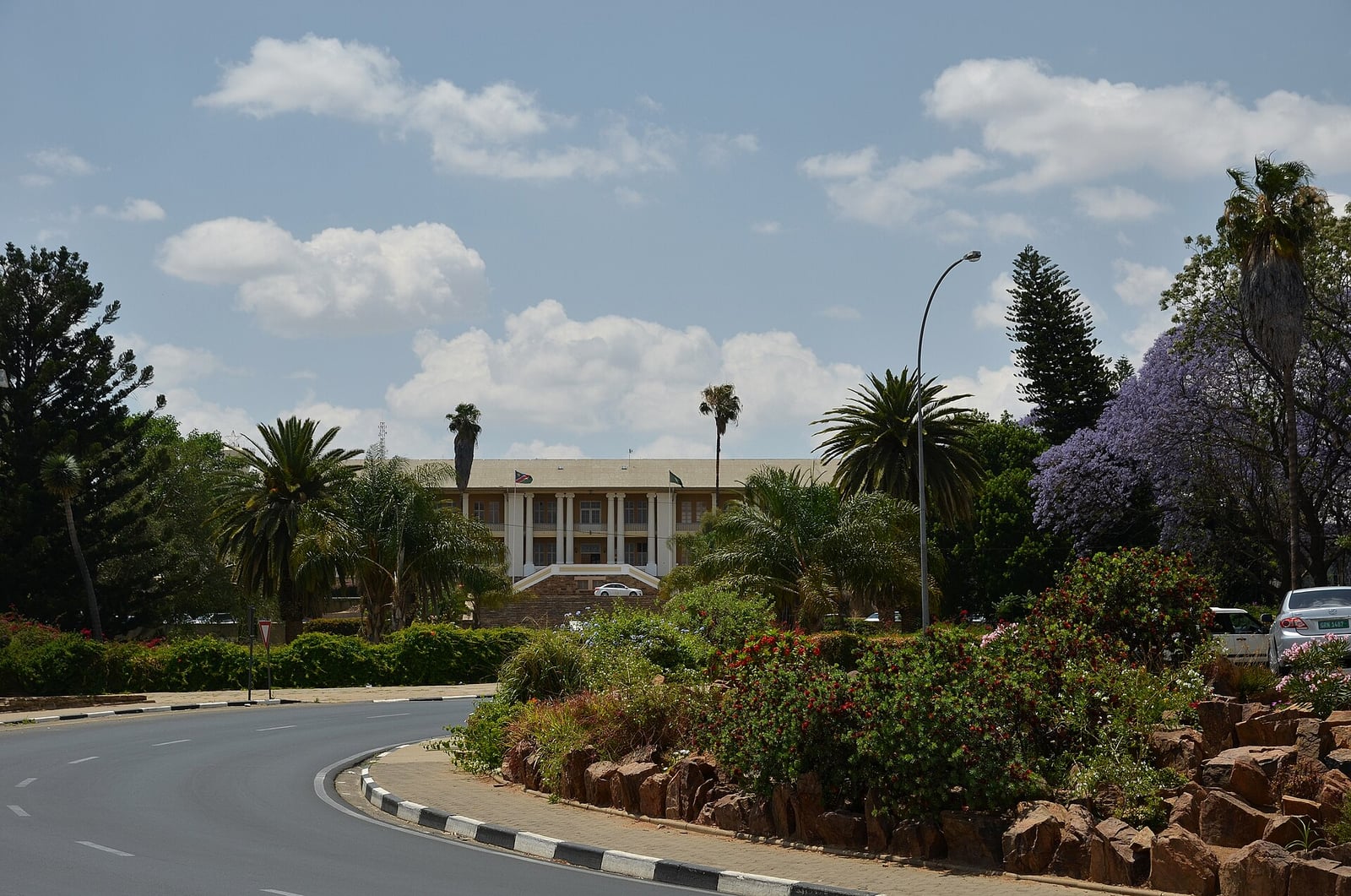
On 21 March 1990, Namibia officially achieved independence, bringing an end to more than a century of foreign occupation. The ceremony in the capital city of Windhoek saw Sam Nujoma sworn in as the republic's first president by the United Nations Secretary-General, before foreign dignitaries including heads of state. Among the prominent international observers present was Nelson Mandela of South Africa, who had been released from prison just the month before. The transfer of authority concluded a protracted political and military conflict that had reshaped southwestern Africa throughout the twentieth century.
The path to self-determination began under European colonial partitioning in 1884, when the German Empire established German South West Africa. Brutal colonial repression culminated in the 1904 to 1908 OvaHerero and Nama genocide, during which German troops killed tens of thousands of Herero and an estimated 10,000 Nama people. South African forces ousted the German administration in 1915 during the First World War. Following the conflict, the League of Nations conferred a mandate onto South Africa to administer the territory until its population was considered ready for political autonomy.

Keep reading in Yester
Coming soon to the App Store
Keep following the story
Sources
- UNTAG: Namibia background (United Nations Peacekeeping)
- The Namibian struggle for independence 1966-1990: a historical background (South African History Online)
- Namibia gains Independence, 21 March 1990 (South African History Online)
- Independence Day, 21 March 1990 (New Era, Namibia)
- Namibia: the German genocide of Herero and Nama people (JusticeInfo.net / AFP)
- Namibia 30 (Rosa-Luxemburg-Stiftung)
- Namibia
Image: Pavel Špindler