Kenya Becomes Independent
Kenya gained independence after years of conflict over land and rule.
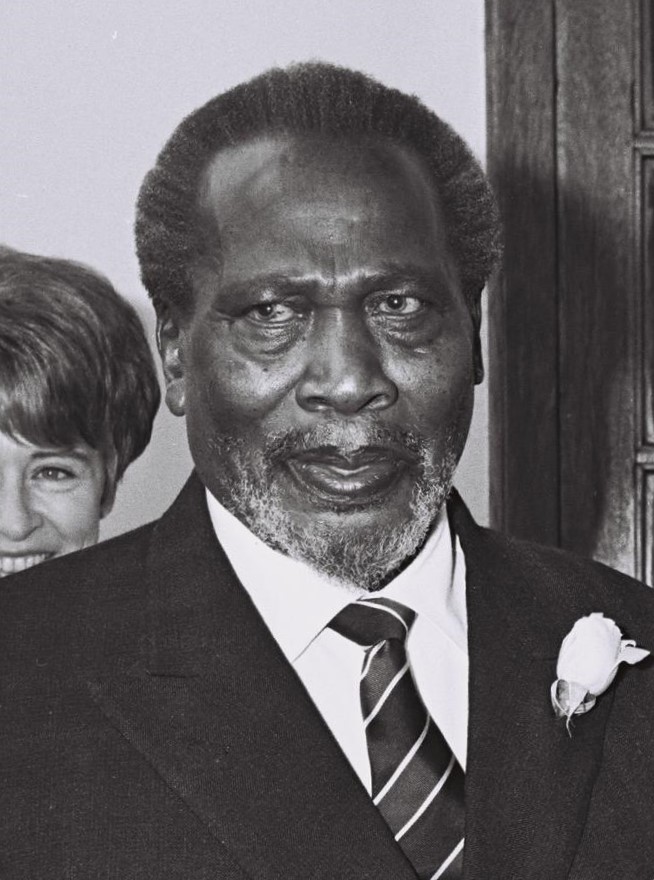
On 12 December 1963, the British Colony and Protectorate of Kenya came to an end under the Kenya Independence Act passed by the British Parliament. The British government yielded its imperial authority over the interior, while the Sultan of Zanzibar simultaneously surrendered his sovereignty over the coastal strip, uniting both territories into a single self-governing nation within the Commonwealth. Exactly one year later, on 12 December 1964, the new country amended its status to become the Republic of Kenya, inaugurating Jomo Kenyatta as its first president.
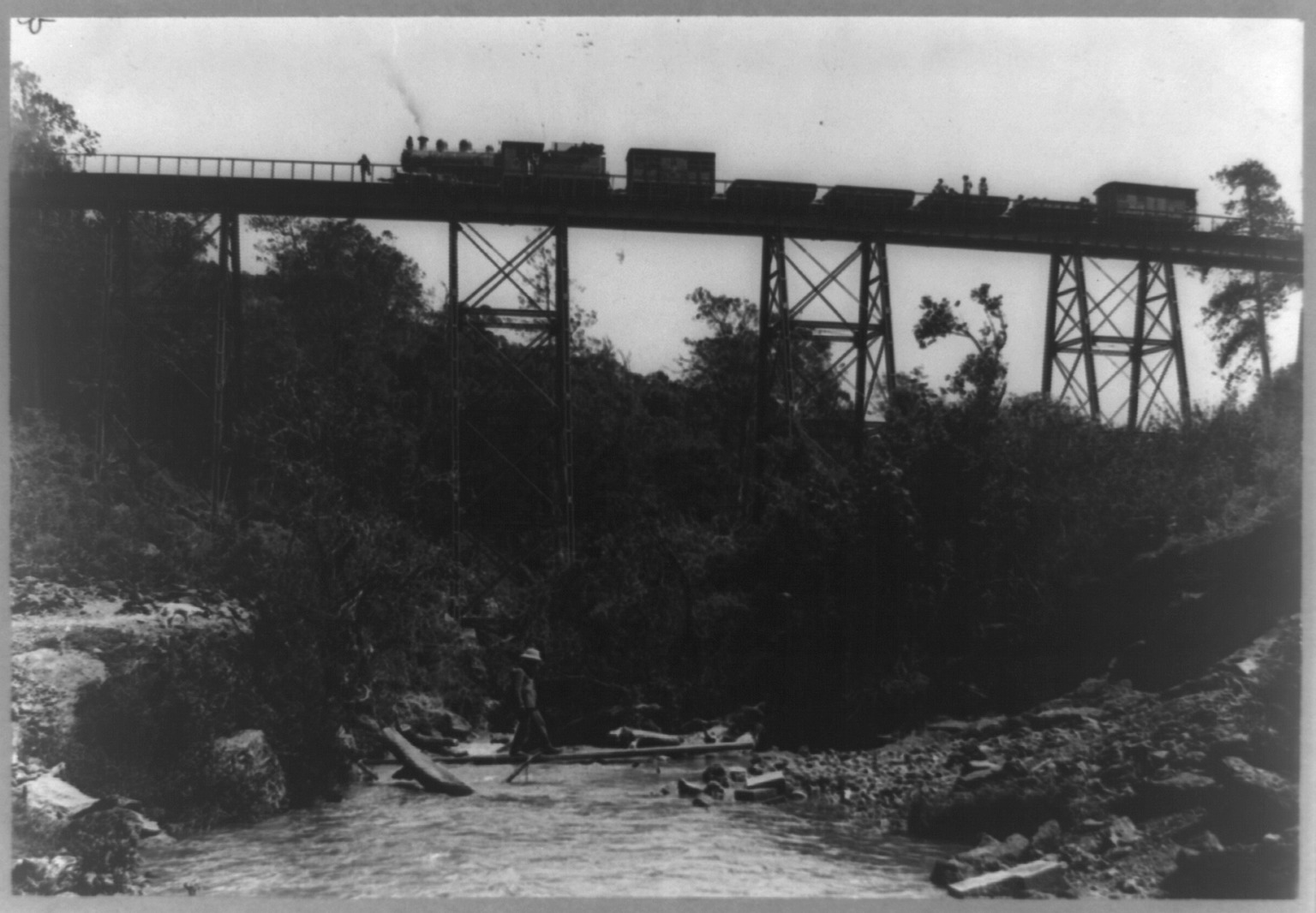
The transition to self-rule concluded decades of British colonial administration that had formally begun in 1895 with the establishment of the East Africa Protectorate. In 1920, the territory was reorganized as the Kenya Colony, taking its name from Mount Kenya. During this period, European settlers acquired large tracts of fertile agricultural land in the central highlands to cultivate profitable cash crops such as tea and coffee. To support settler farming and encourage European enterprise, the colonial authorities enacted a hut tax and restricted indigenous farming practices, including barring local Africans from cultivating coffee.

Keep reading in Yester
Coming soon to the App Store
Keep following the story
Sources
- Kenya Independence Act 1963, as enacted (legislation.gov.uk, The National Archives)
- Kenya Emergency (National Army Museum)
- Statement to Parliament on settlement of Mau Mau claims (GOV.UK, Foreign & Commonwealth Office)
- Kenya History -- Mau Mau Emergency, 1952-1960 (University of Edinburgh Archives subject record)
- Kenya: polity 1958-1964 (Archontology.org)
- How Northern Frontier District was carved out (Business Daily Africa)
- Kenya
Image: Pridan Moshe