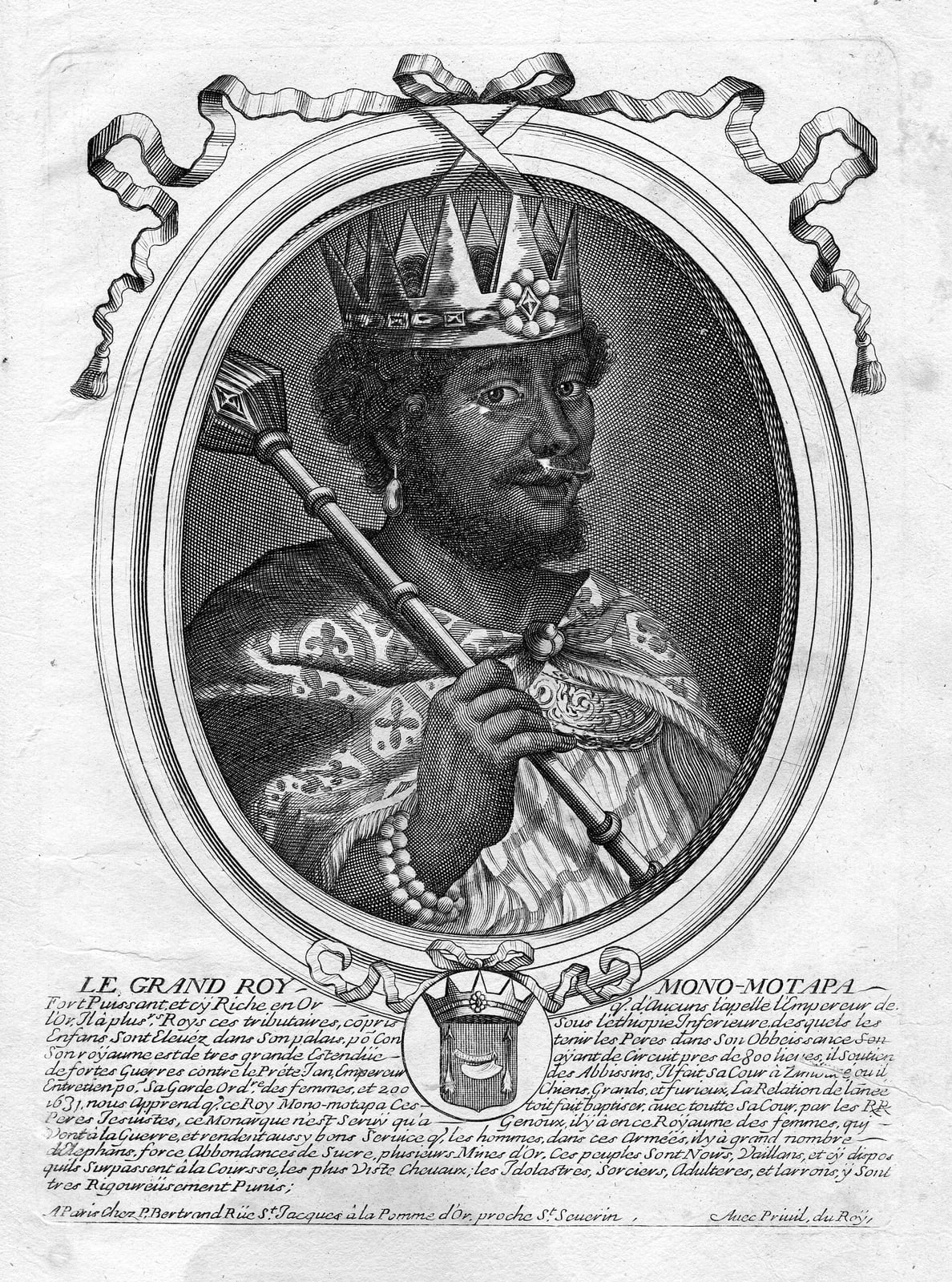
The Mutapa State Rises in Southern Africa
A kingdom north of Great Zimbabwe controlled gold trade with the Swahili coast.
During the fifteenth century, political and commercial authority on the northern Zimbabwean Plateau shifted toward a new power known to regional tradition as the Mutapa state. Oral accounts recorded in later eras attribute this movement to Karanga groups who migrated away from Great Zimbabwe. These traditions often explain the relocation as a search for salt, which modern historians suggest serves as a figurative description of soil exhaustion or dwindling essential resources. Through gradual alliances, intermarriage, and involvement in regional leadership disputes with established Tonga and Tavara communities, these newcomers laid the foundation for an expansive Shona kingdom.
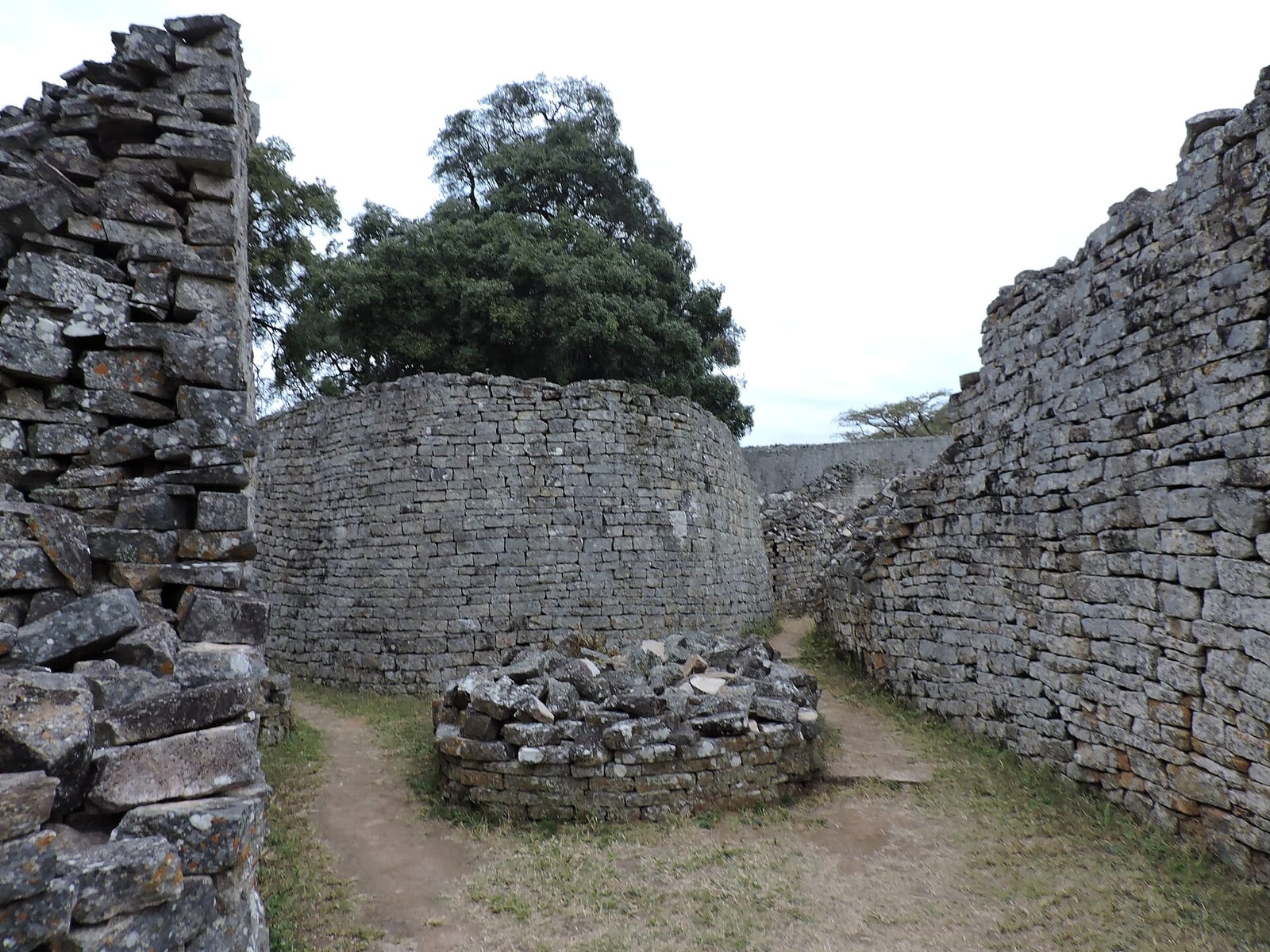
A central figure in oral histories of the founding era is Mutota, an elephant hunter and warrior credited with subduing the northern Dande region and erecting a stone enclosure at Chitako-Changonya Hill. While traditions remember Mutota as the initial monarch, historians continue to debate the identity of this founder figure, and some suggest he may represent a composite or symbolic personality rather than a single ruler. Scholars also observe that recorded king lists appear shortened, meaning the early establishment of the state across the fourteenth and fifteenth centuries likely spanned several generations of unrecorded rulers.

Keep reading in Yester
Coming soon to the App Store
Keep following the story
Sources
- The rise of the Mutapa State and the early arrival of the Portuguese c.1450 - c.1480 (Zimbabwe Field Guide)
- The Mutapa (Mwenemutapa, Monomotapa) State in its heyday c.1480 - c.1623 (Zimbabwe Field Guide)
- The decline of the Mutapa state c.1623 - c.1902 (Zimbabwe Field Guide)
- Monomutapa (ca. 1450-1917) (BlackPast.org)
- Mutapa (zi_mutapa) polity record (Seshat Global History Databank)
- Mutapa Empire
Image: Unknown author Unknown author