Great Zimbabwe’s Walls Tell an African Story
A city of stone walls, crafts and long-distance trade flourished in southern Africa. Later attempts to deny its African builders became another struggle over the ownership of history.
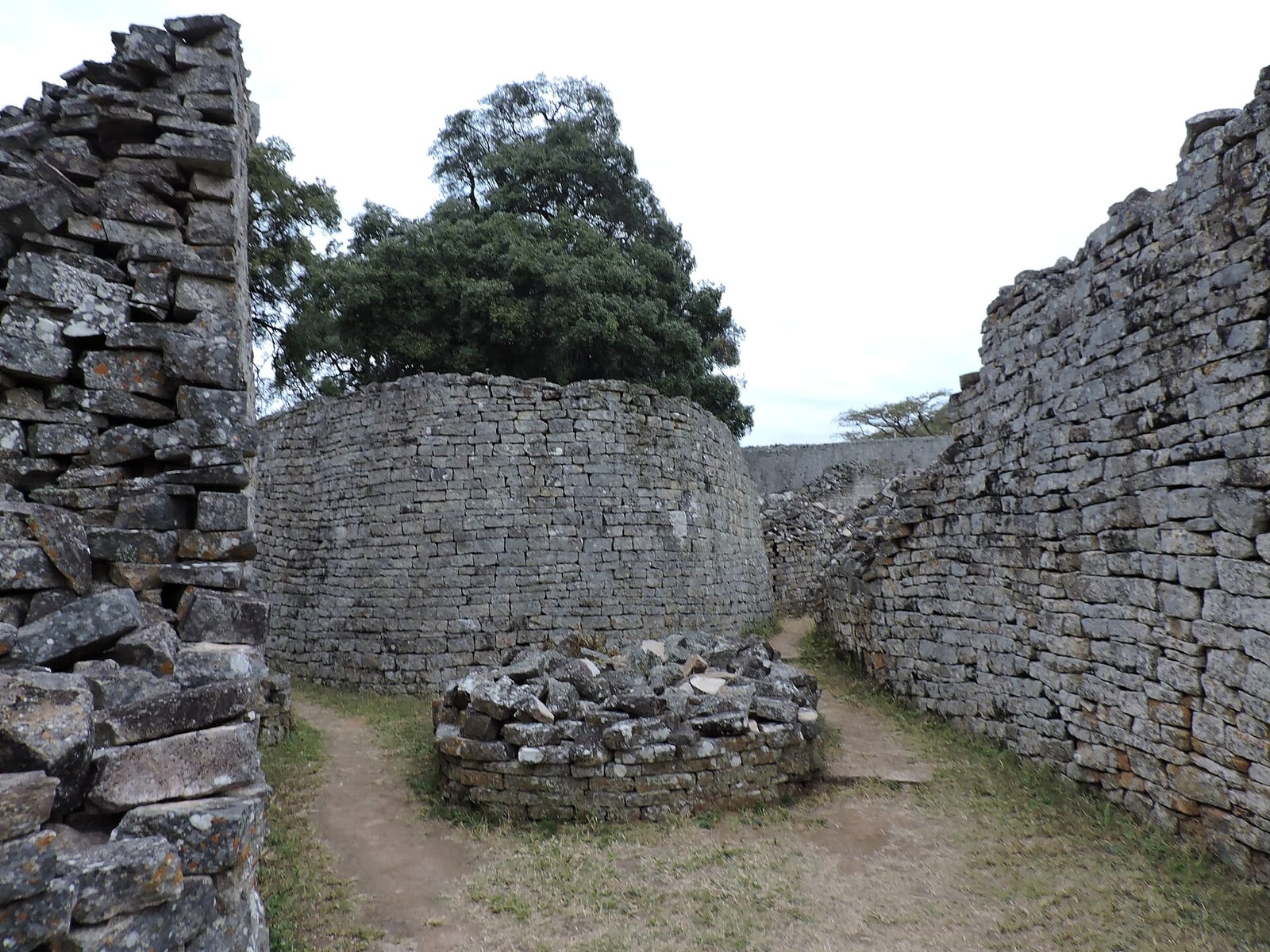
The walls of Great Zimbabwe were built without mortar. Carefully arranged stone rises into curves and enclosures that still give the site an unmistakable presence. In the centuries before European colonial rule, this was part of a substantial African settlement, not a mysterious monument standing outside society. Its builders belonged to the region’s African communities, ancestral to Shona-speaking peoples. The most consequential mystery in its modern history is why some outsiders worked so hard to deny that fact.
The settlement developed from around the eleventh century and flourished particularly during the later medieval period. Its Hill Complex, Great Enclosure and surrounding areas were not constructed all at once. Building, occupation and changing uses extended across generations. The surviving stone is impressive, but it represents only part of the inhabited place. Homes and working spaces made from less durable materials also belonged to the city. Looking only at the walls can make ordinary residents disappear from their own history.

Keep reading in Yester
Coming soon to the App Store
Keep following the story

Sources
Image: Mike from Vancouver, Canada