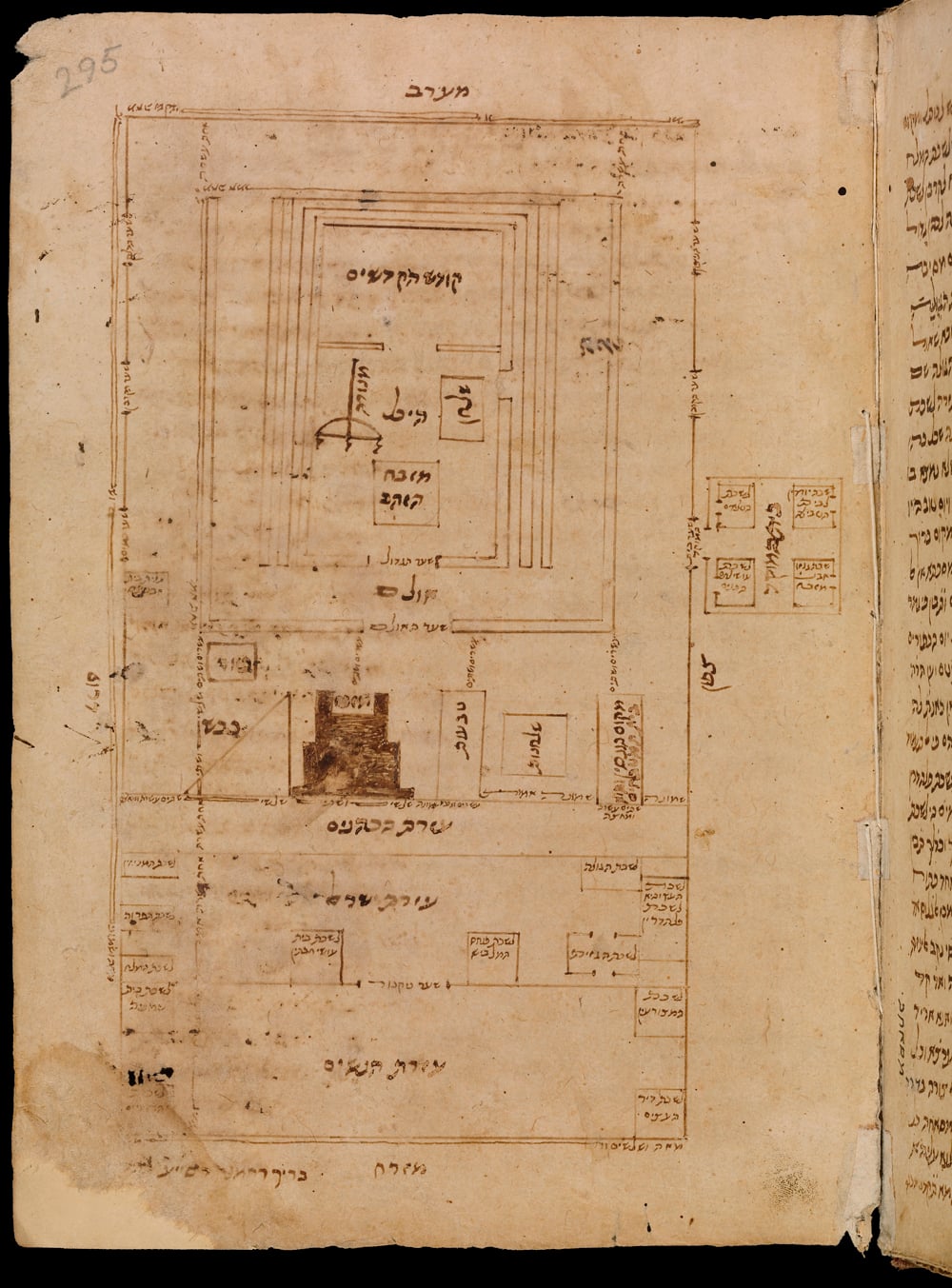
Judah ha-Nasi Compiles the Mishnah
Rabbis gathered centuries of oral Jewish law into a written code after the Temple’s fall.
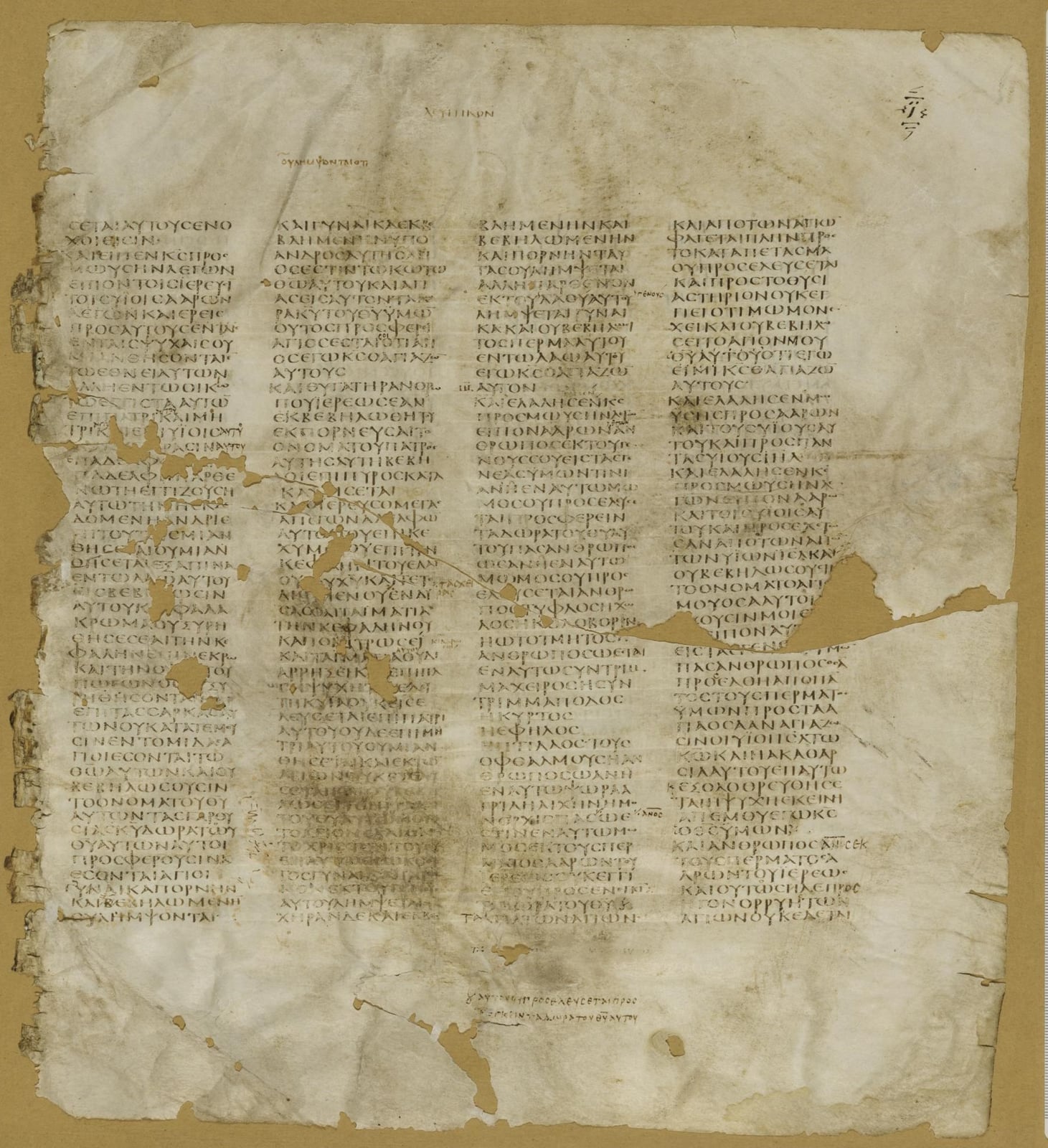
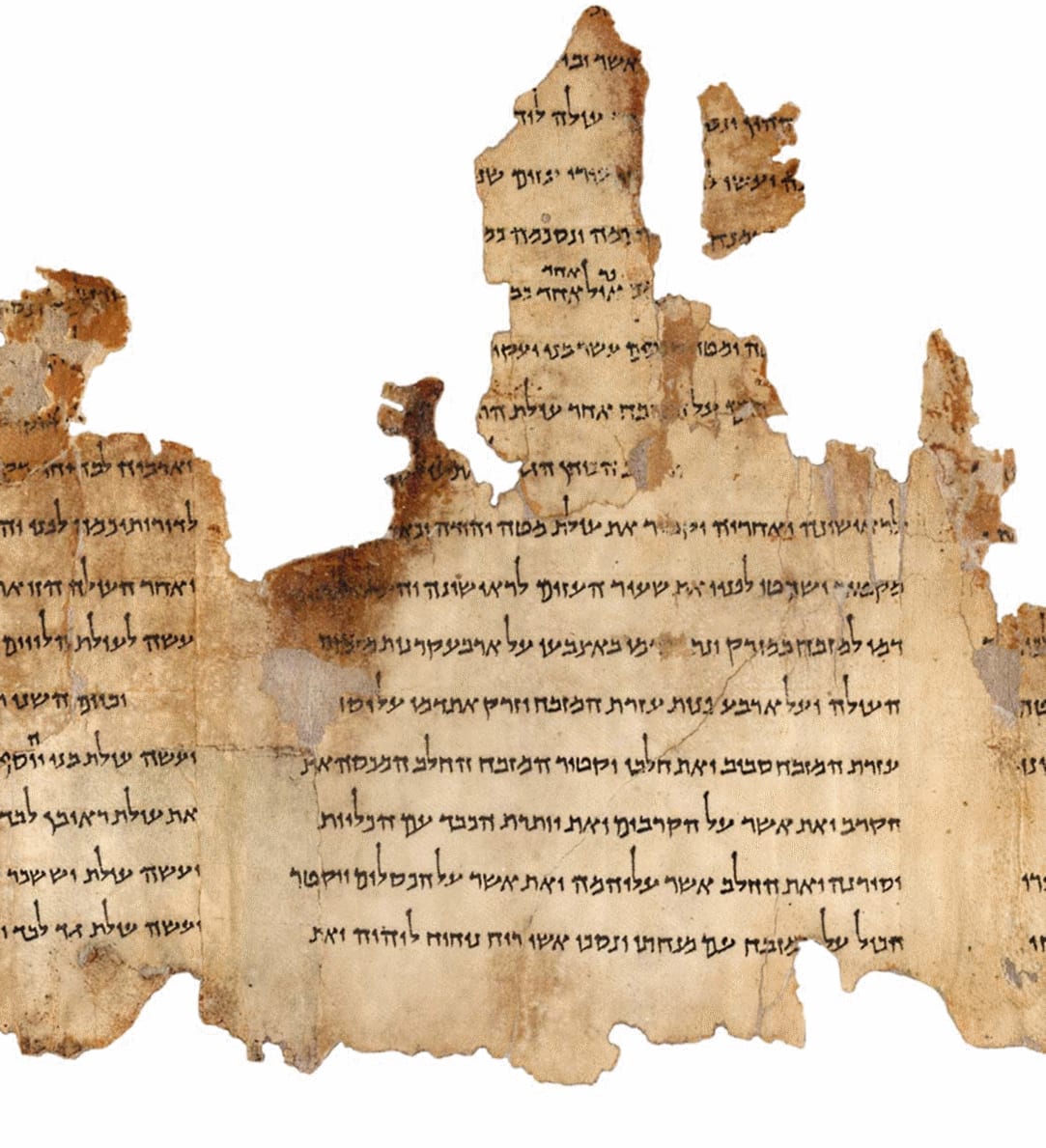
During the late second and early third centuries, scholars in Roman-ruled Galilee assembled the first comprehensive written compilation of Jewish oral legal traditions, known as the Mishnah. Centuries earlier, according to rabbinic belief, Moses received both a written scripture and an accompanying oral revelation at Mount Sinai. While biblical texts circulated in scrolls, rabbinic rulings and interpretations had long been memorized, studied, and debated without an official written code. Jewish tradition maintains that Judah ha-Nasi, also known as Judah the Prince, directed the final redaction of this material either in Beit Shearim or Sepphoris to prevent its loss amid regional turmoil.
The disruption following the First Jewish-Roman War and the destruction of the Second Temple in 70 CE had profoundly transformed Jewish communal life. Deprived of the Temple as a religious and administrative center, and facing diminished autonomy, sages confronted the risk that divergent oral interpretations would drift into confusion or disappear entirely. Although rabbinic custom had traditionally discouraged transcribing legal discussions, community leaders justified compiling these traditions to preserve the legal and ritual practices intended to guide daily observance of biblical commandments.

Keep reading in Yester
Coming soon to the App Store
Keep following the story
Sources
Image: Moshe ben Maimon