The Soviet Union Launches the Core of the Mir Space Station
A modular station grew in orbit and hosted crews for more than a decade.
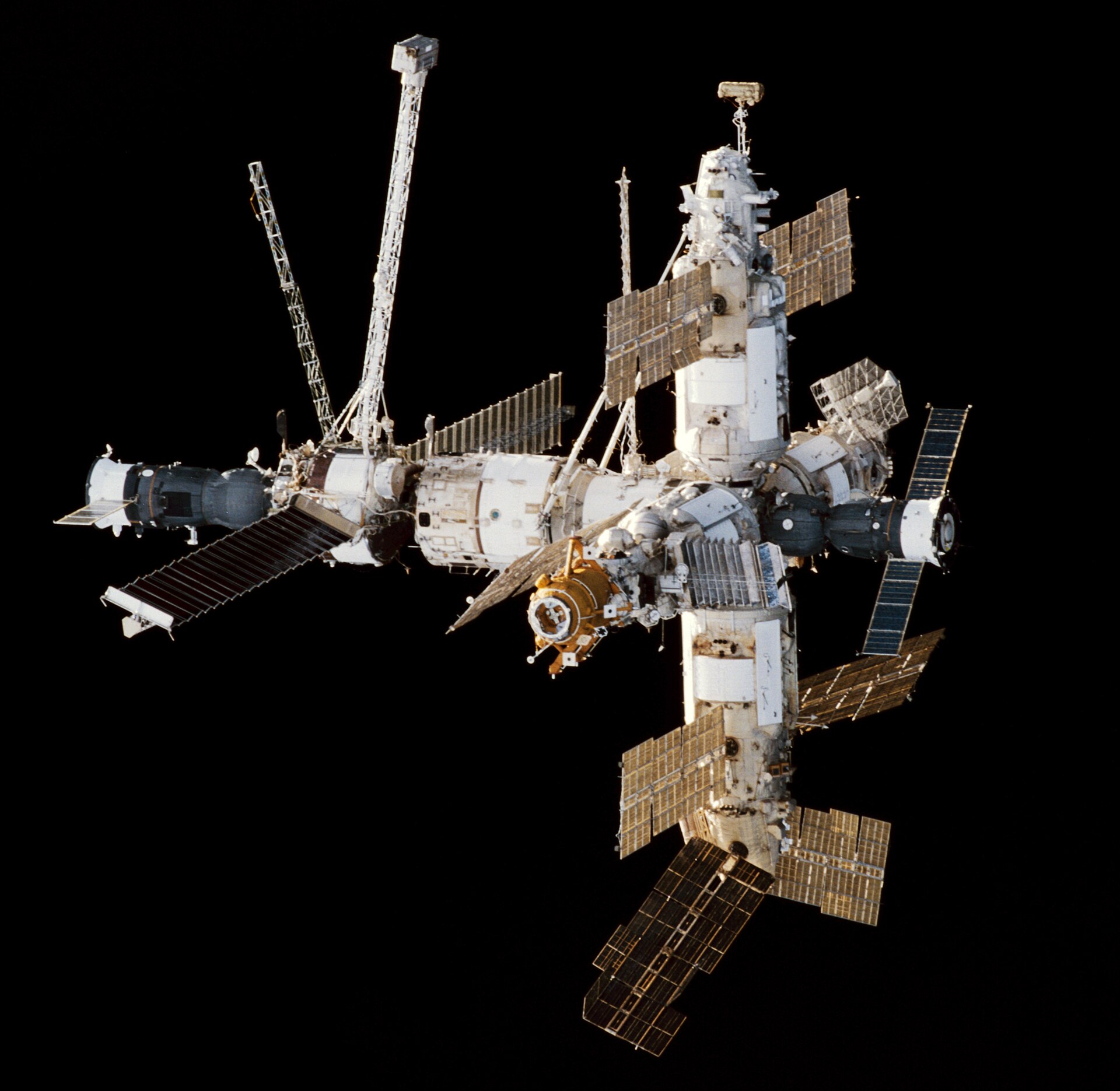
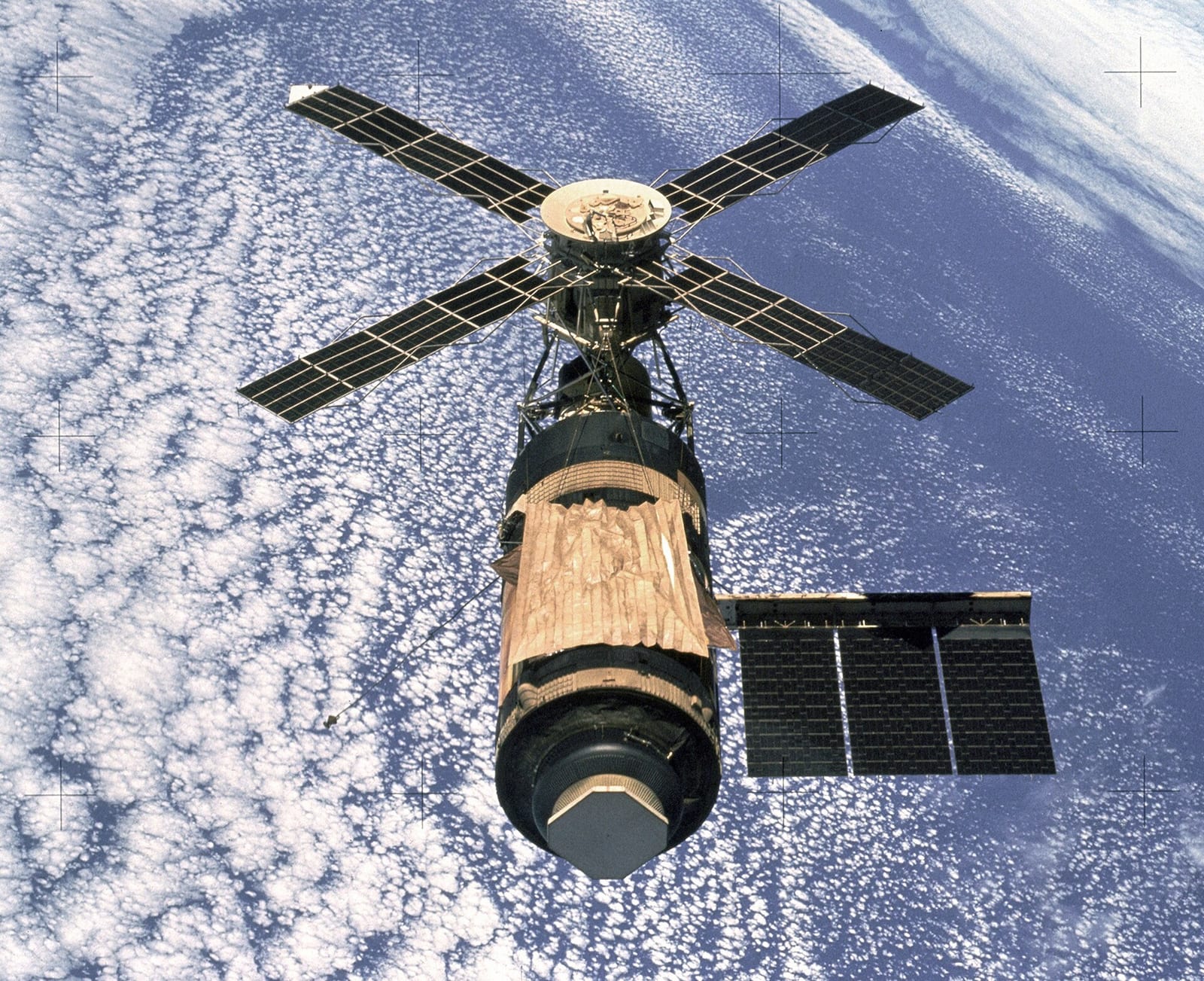
On 19 February 1986, the Soviet Union launched the core module of the Mir space station from the Baikonur Cosmodrome, placing it into low Earth orbit. The launch represented a fundamental shift away from single-unit designs. Earlier orbital facilities such as Skylab and the Salyut series functioned as monolithic hulls with limited potential for physical expansion. In contrast, Mir was conceived as a multi-piece complex. The base block served primarily as crew living quarters and operational command, while also providing five forward docking ports and one aft port to receive subsequent specialized scientific modules.
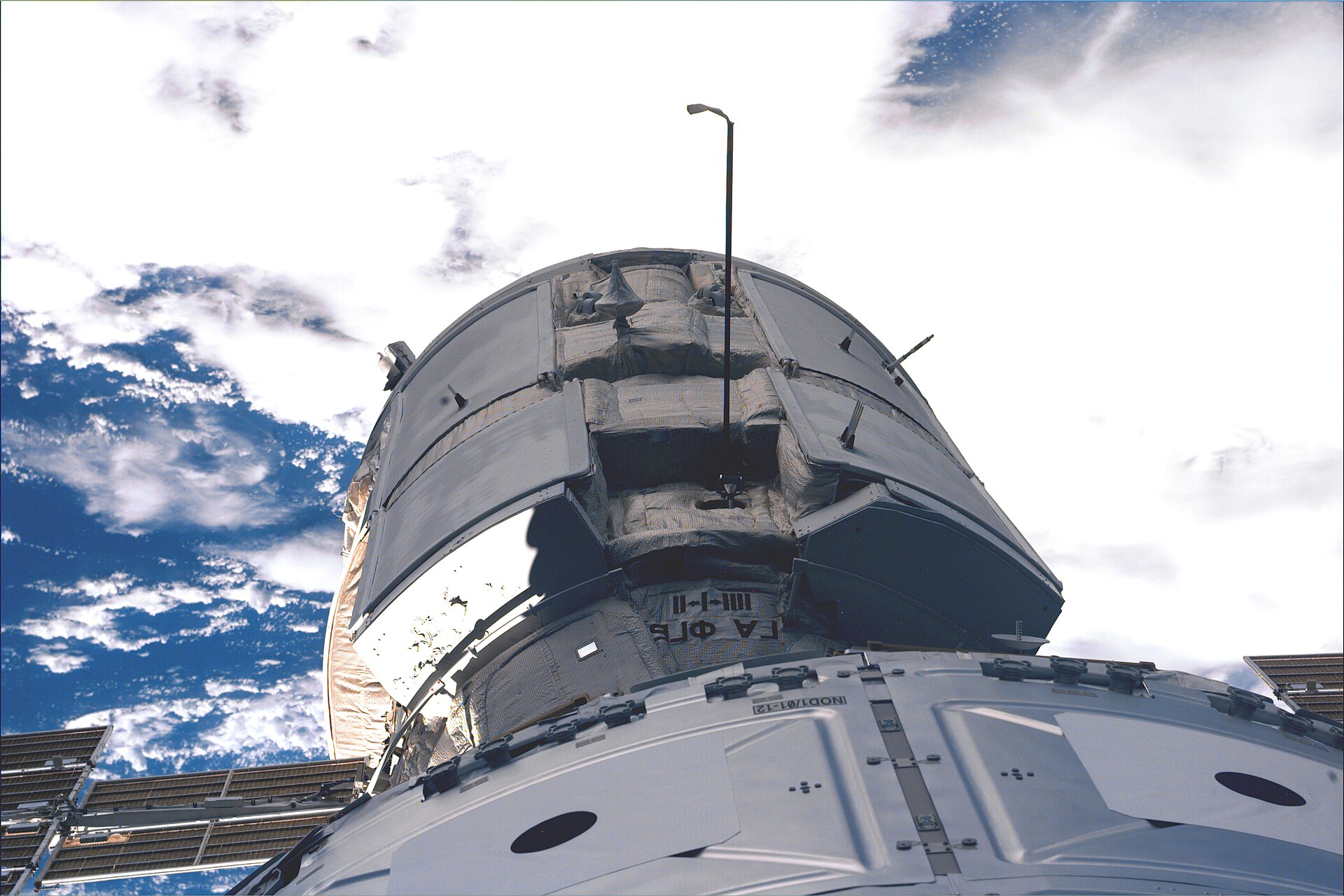
Assembling the complex required a decade of launches and orbital maneuvers. Four primary research additions arrived between 1989 and 1996: Kvant-2, Kristall, Spektr, and Priroda. Each of these twenty-tonne modules reached orbit via Proton-K rockets, berthed at the forward docking node, and used an onboard Lyappa mechanical arm to swing onto radial ports. The astrophysics laboratory Kvant-1 had docked earlier at the aft port in 1987 with the aid of a propulsion tug, while a dedicated docking module was later carried by the American Space Shuttle Atlantis in 1995. When complete, the station comprised seven pressurized units along with unpressurized exterior girders, cranes, and solar panels.

Keep reading in Yester
Coming soon to the App Store
Keep following the story
Sources
- 20 Years Ago: Space Station Mir Reenters Earth's Atmosphere (NASA History)
- Mir FAQs: Facts and history (European Space Agency)
- Honourable discharge for Mir space station (European Space Agency)
- Remembering near-death dramas on a Russian space station (National Geographic)
- I survived the worst fire in space history (BBC Science Focus)
- Mir space station crashed to Earth 21 years ago (The Register)
- Mir
Image: NASA