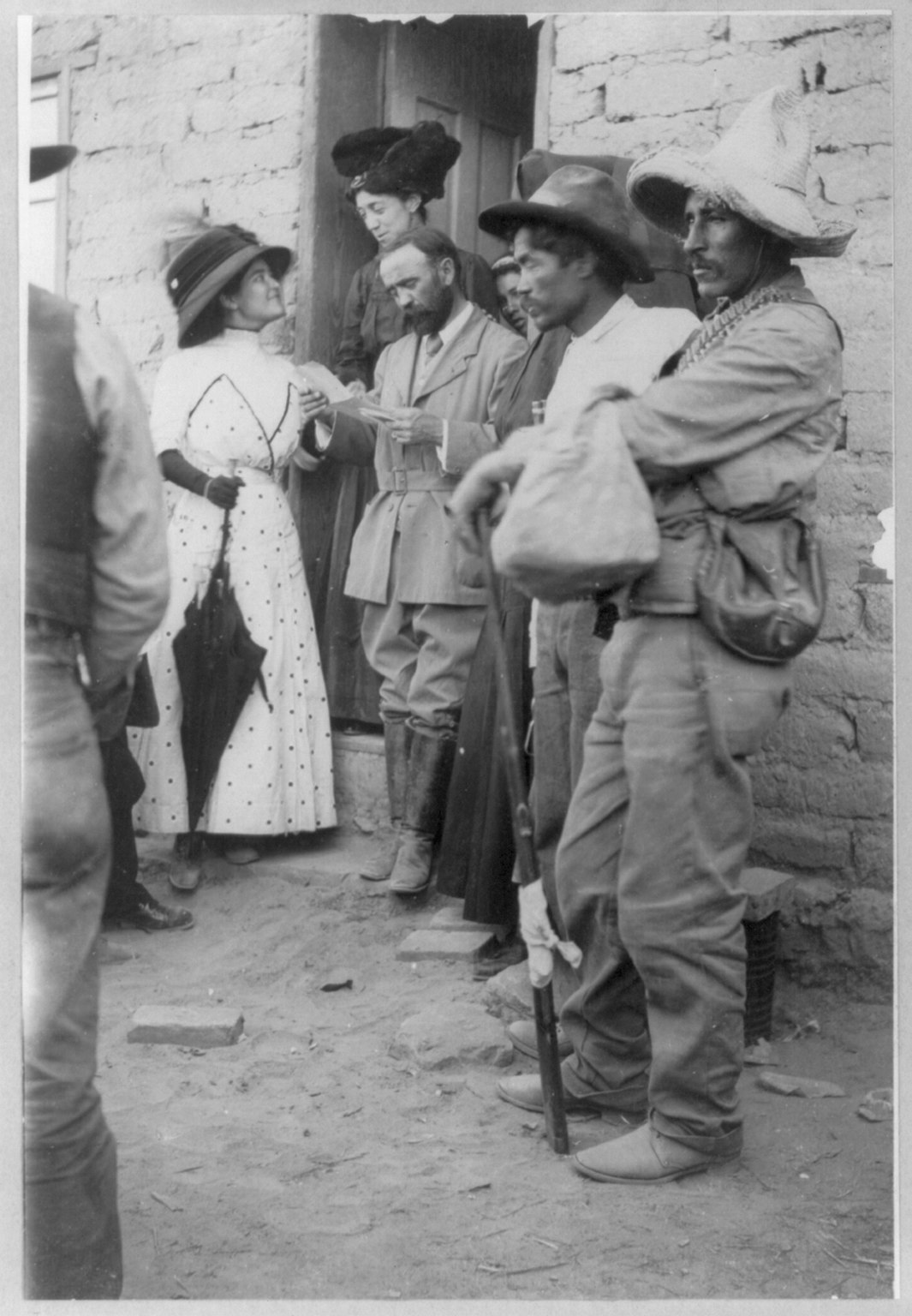
Mexico’s Revolution Was More Than a Change of President
A campaign against presidential reelection opened a struggle over land, labor and political power. Removing Porfirio Díaz did not settle what the revolution was supposed to change.
Francisco Madero’s challenge began with a deceptively clear political demand: Mexico should have an effective vote and no presidential reelection. Porfirio Díaz had dominated the country’s government for decades. After a disputed election, Madero’s call for revolt in November 1910 helped open a struggle that would outgrow his program. The question was no longer only who should occupy the presidency. It became what the state owed the people whose labor and land sustained it.
The Díaz era had brought investment, railways and economic change, but the gains and political power were distributed unequally. Communities facing the loss of land and workers confronting harsh conditions did not necessarily understand reform in the same terms as wealthy opponents of the president. A coalition against a ruler could therefore contain incompatible visions of the future. Those differences did not disappear when the ruler weakened. They helped determine what the revolution became after its first apparent success.

Keep reading in Yester
Coming soon to the App Store
Keep following the story
Sources
Image: Miscellaneous Items in High Demand, PPOC, Library of Congress