France Defines the Metre in Platinum
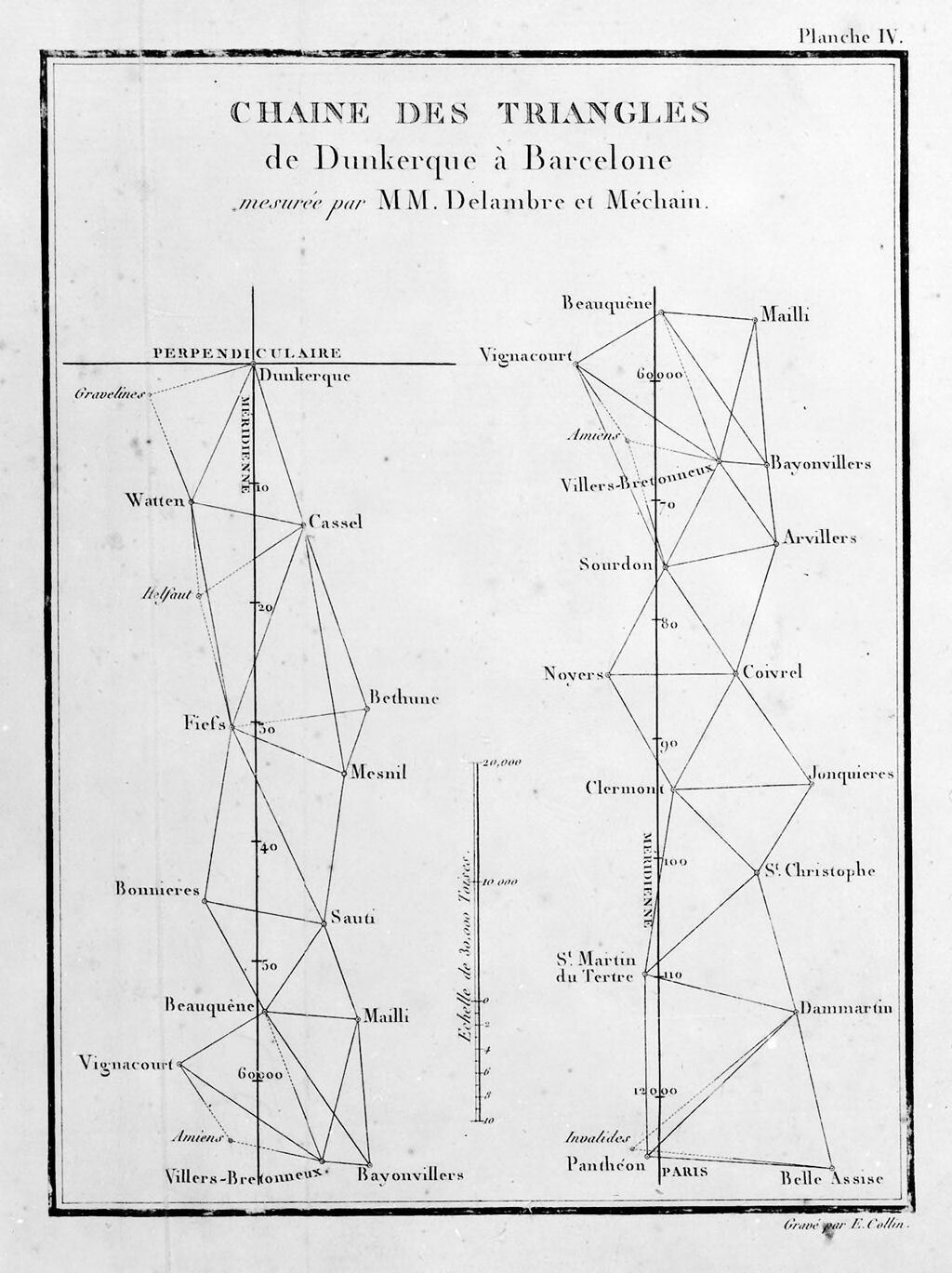
A survey from Dunkirk to Barcelona fixed a new measure for all people.
In June 1799, French officials deposited two manufactured platinum standards into the National Archives in Paris. One was a rectangular bar designed to embody the metre, and the other was a cylinder representing the kilogram. These objects marked the culmination of a revolutionary effort to sweep away the confusing mosaic of local weights and measures that had troubled the kingdom under the Ancien Regime. Estimates suggest that France had contained roughly eight hundred distinct units of measure, which took on as many as a quarter of a million local definitions. This inconsistency fostered commercial fraud, hampered trade, and complicated taxation, prompting reformers to demand a single, rational standard based on unchanging natural phenomena.
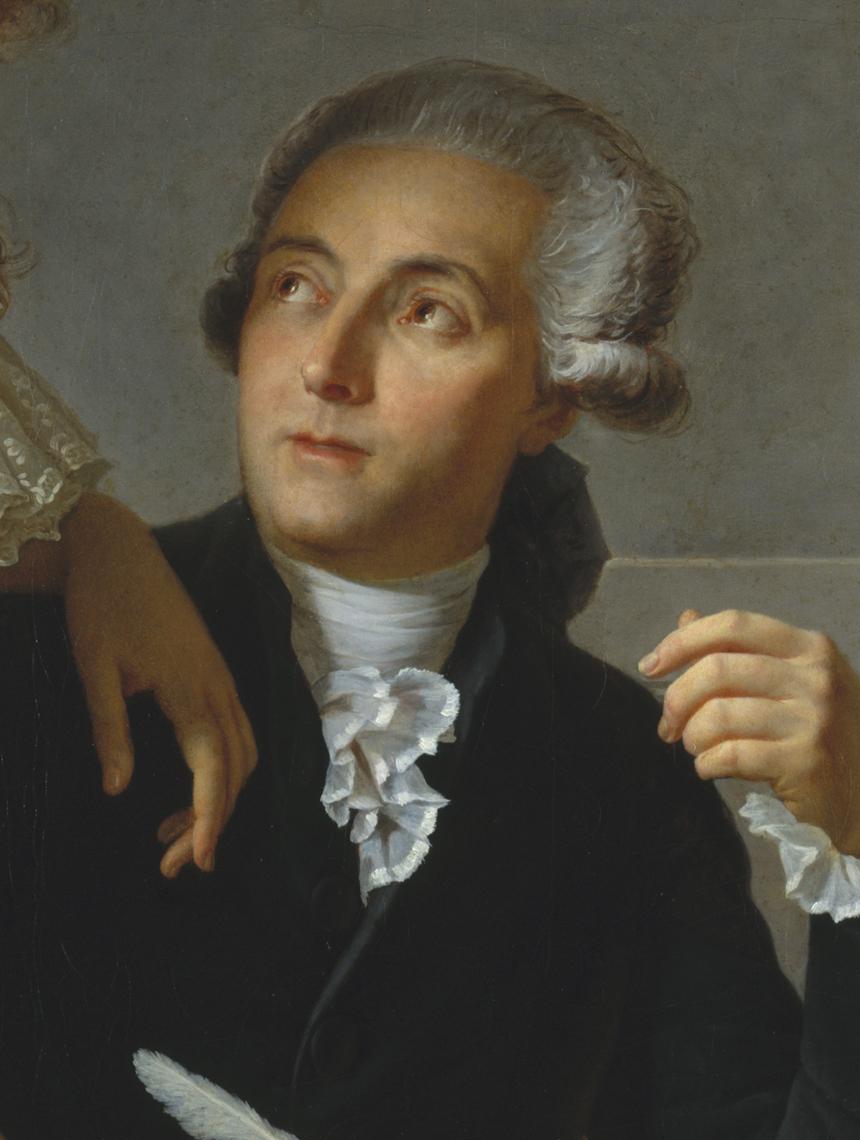
The intellectual framework for this transformation had been assembling throughout the Enlightenment. In 1790, the French Academy of Sciences appointed a prestigious panel including Jean-Charles de Borda, Joseph-Louis Lagrange, Pierre-Simon Laplace, Gaspard Monge, and Nicolas de Condorcet. The panel recommended that the new system employ decimal divisions and link length directly to the physical dimensions of the Earth. Rejecting an earlier concept of a pendulum beating seconds at a specific latitude, which foreign governments such as Britain and the United States had declined to adopt mutually, the French authorities selected a standard defined as one ten-millionth of the distance from the North Pole to the Equator along the meridian passing through Paris. Related scientific work, including earlier contributions to mass standards by Antoine Lavoisier, supported the creation of a corresponding decimal weight based on a cubic decimetre of water.

Keep reading in Yester
Coming soon to the App Store
Keep following the story
Sources
Image: Méchain, Pierre (1744-1804). Auteur du texte Delambre, Jean-Baptiste (1749-1822). Auteur du texte