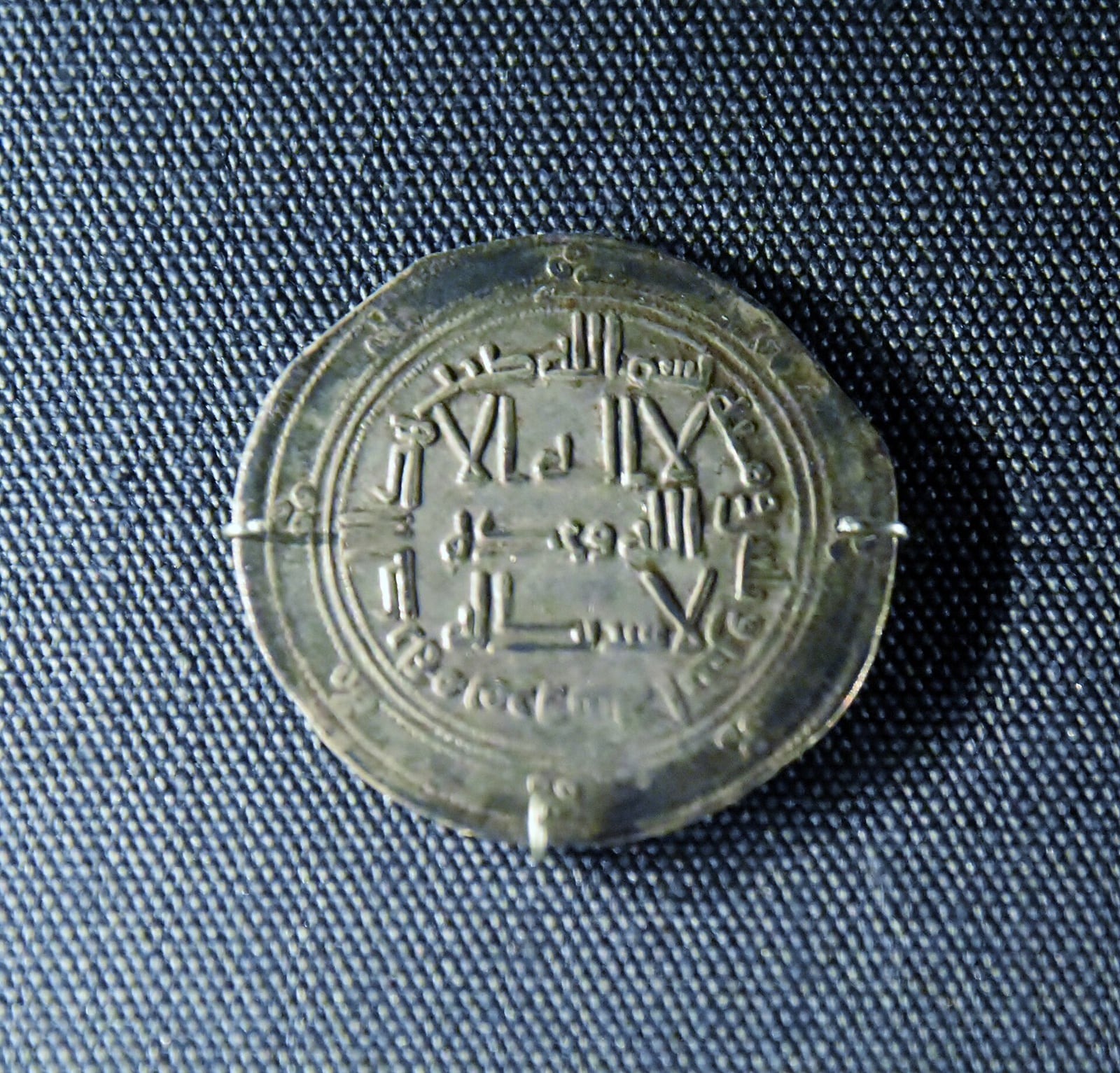
The Abbasid Revolution Begins at Merv
Abu Muslim raised black banners in Khurasan, and the Umayyad caliphs soon fell.
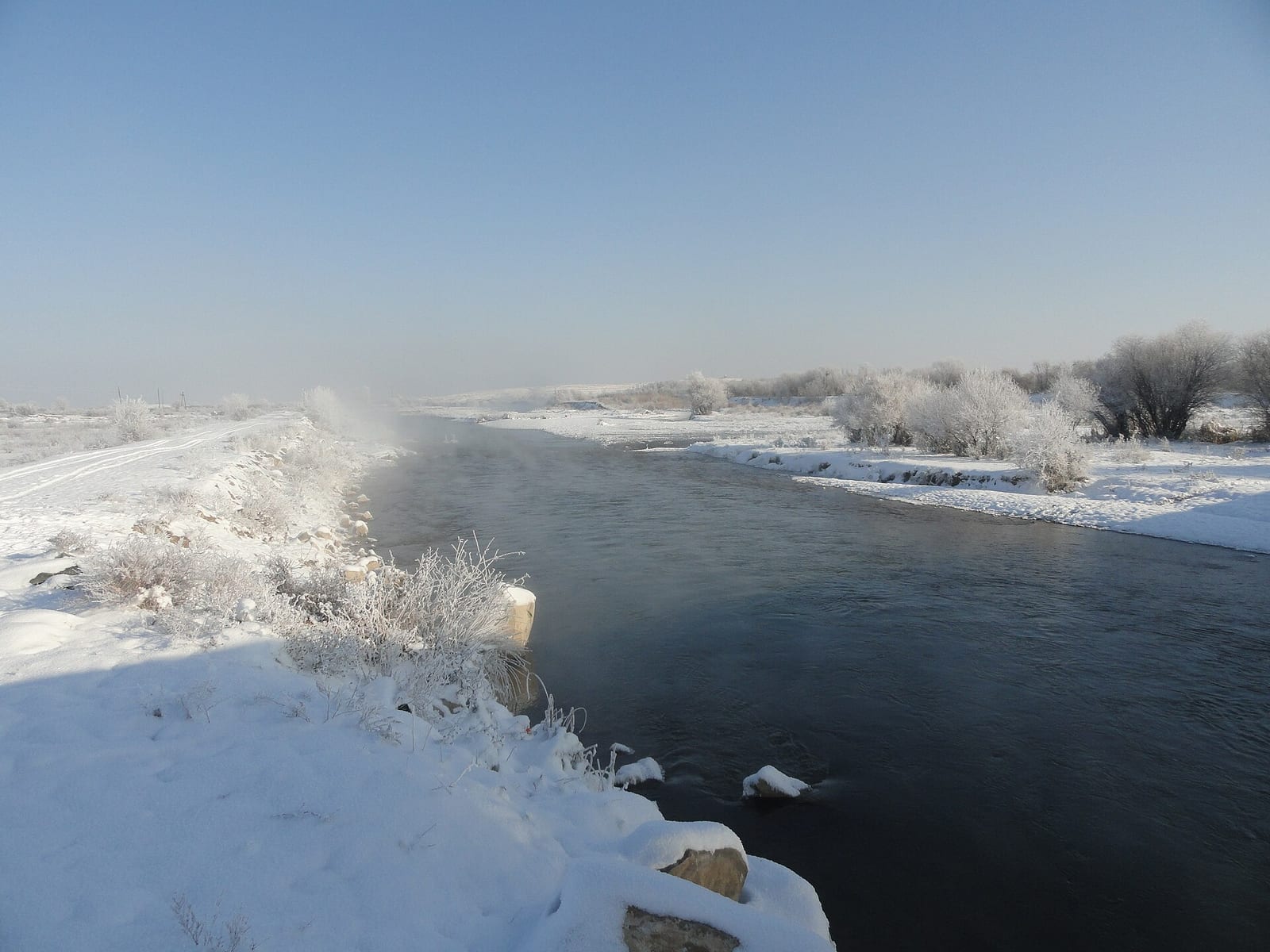
Situated on the inland delta of the Murghab River on the southern fringes of the Karakum Desert, the oasis of Merv occupied a vital position along the Silk Road networks connecting north-eastern Iran with Transoxiana. Archaeological surveys record village settlements dating to the third millennium BC, with urban fortifications emerging under Persian rule in the sixth century BC. Over successive centuries under Seleucid, Parthian, and Sasanian administrators, Merv developed into a heavily fortified regional centre. Sasanian numismatic records demonstrate uninterrupted minting at the site, reflecting its role as a secure provincial seat. Throughout this pre-Islamic period, the metropolis within the walled enclosure of Gawurgala accommodated diverse communities, including Buddhists, Manichaeans, and East Syrian Christians.
Following the collapse of the Sasanian state in the mid-seventh century, Arab forces occupied Merv and established it as the administrative capital of the province of Khurasan. The arrival of substantial Arab garrisons, alongside indigenous Persian populations, transformed the oasis into an early stronghold of Islam in the eastern Iranian lands. Using the city as an operational base, military commanders advanced campaigns across Central Asia toward Balkh, Bukhara, and Fergana. Decades of sustained migration and military quartering fostered a politically distinct population that maintained distinct regional interests and factional allegiances while remaining integrated into broader imperial networks.

Keep reading in Yester
Coming soon to the App Store
Keep following the story
Sources
Image: Richard Mortel from Riyadh, Saudi Arabia