Farmers at Mehrgarh Drill Teeth with Stone Bits
Some of the earliest evidence of dentistry comes from a Neolithic village in Pakistan.
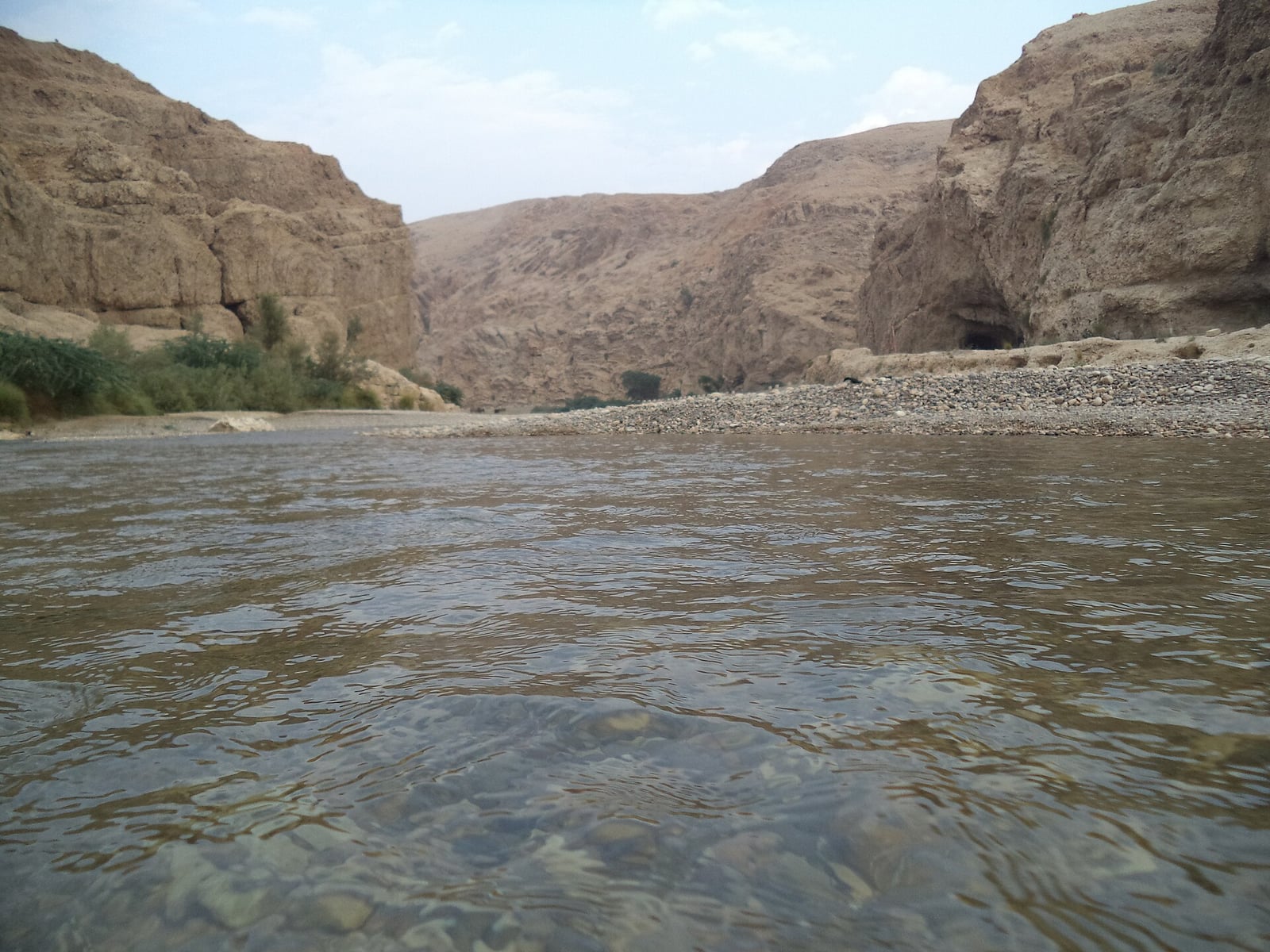
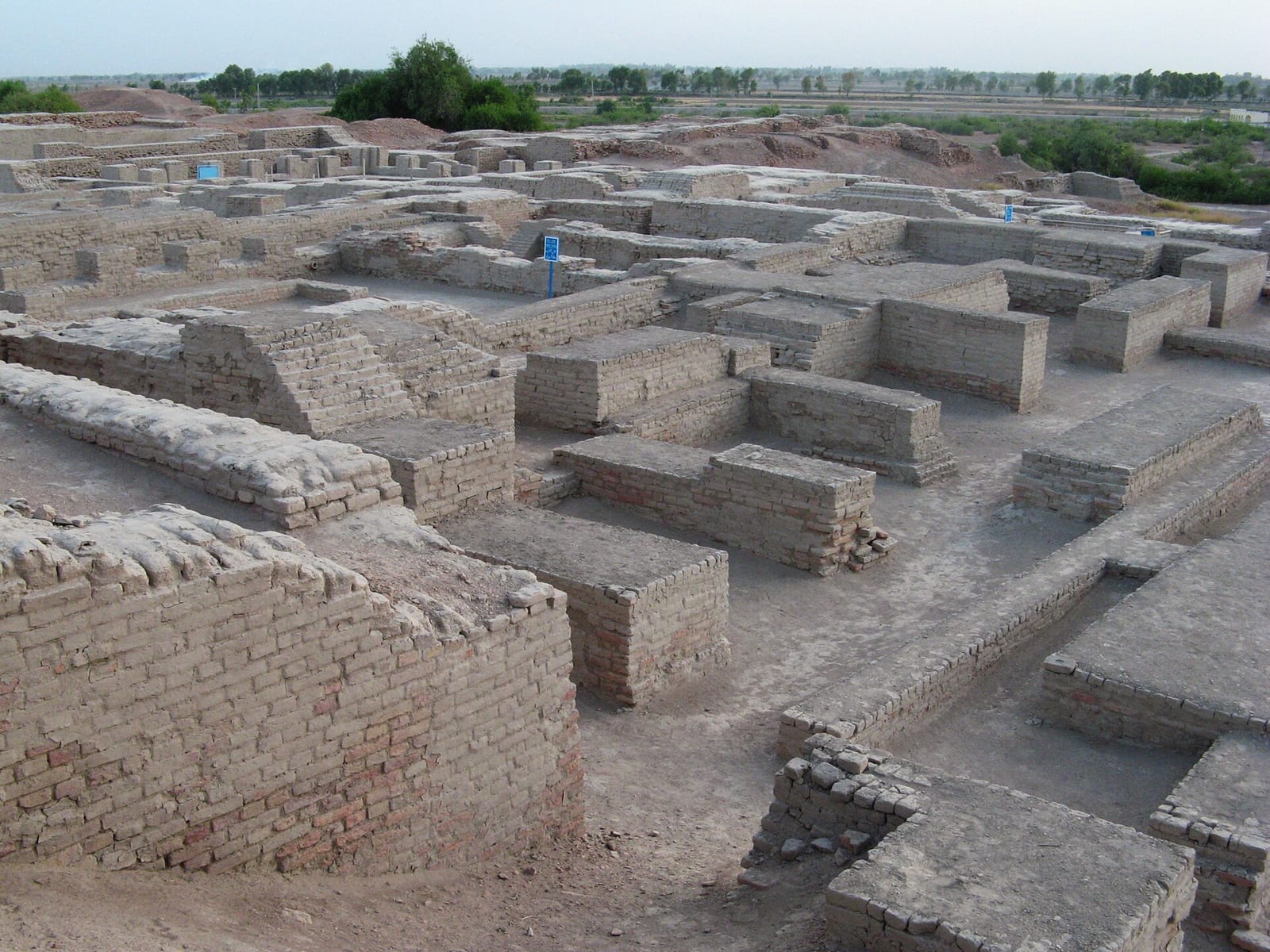
On the arid Kacchi Plain of Balochistan, near the Bolan Pass to the west of the Indus River, lies the ancient settlement of Mehrgarh. Excavations conducted across six mounds by the French Archaeological Mission led by Jean-François Jarrige and Catherine Jarrige revealed human occupation spanning thousands of years. Early field investigations, carried out between 1974 and 1986 and resumed from 1997 to 2000, recovered tens of thousands of artifacts documenting the transition of local populations from semi-nomadic foraging to settled village life.
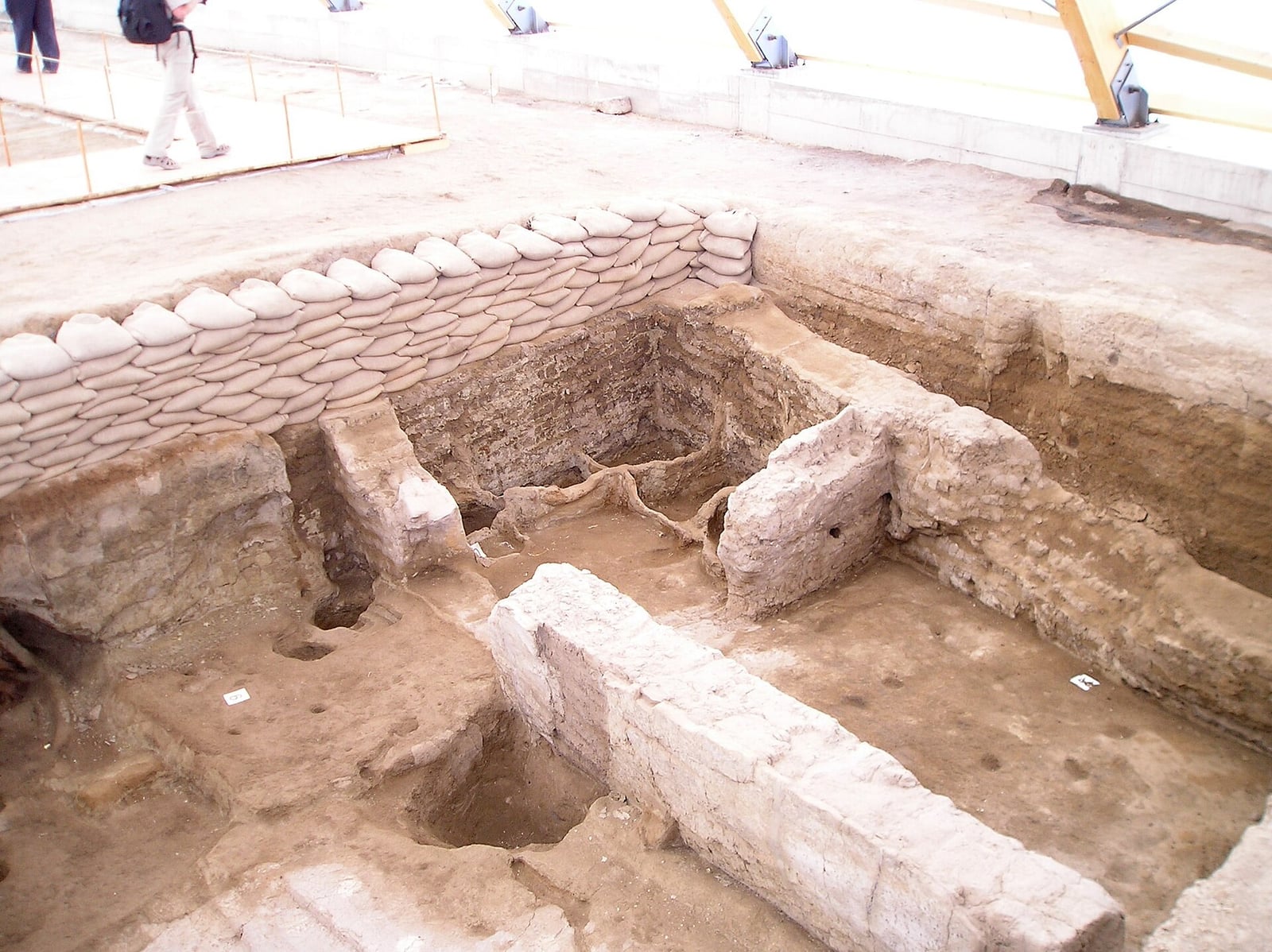
The earliest phase, designated Period I, represents an aceramic Neolithic culture whose chronology remains an active subject of debate among specialists. Initial assessments by Jarrige suggested that settlement began as early as 7000 BCE, but a 2025 radiocarbon study of tooth enamel from 23 burials placed the period between approximately 5250 and 4650 BCE. Despite the absence of fired pottery, the inhabitants established permanent four-room buildings constructed from unbaked mud brick, cultivated barley and wheat, and kept domesticated sheep, goats, and cattle.

Keep reading in Yester
Coming soon to the App Store
Keep following the story
Sources
- Early Neolithic tradition of dentistry (Nature)
- Stone age man used dentist drill (BBC News)
- New radiocarbon dating revolutionises current understanding of the rise of agriculture in the Indus Valley (Sapienza University of Rome)
- New radiocarbon dates of human tooth enamel reveal late appearance of farming life in the Indus Valley (Harappa.com)
- Mehrgarh
Image: Najamuddin Shahwani