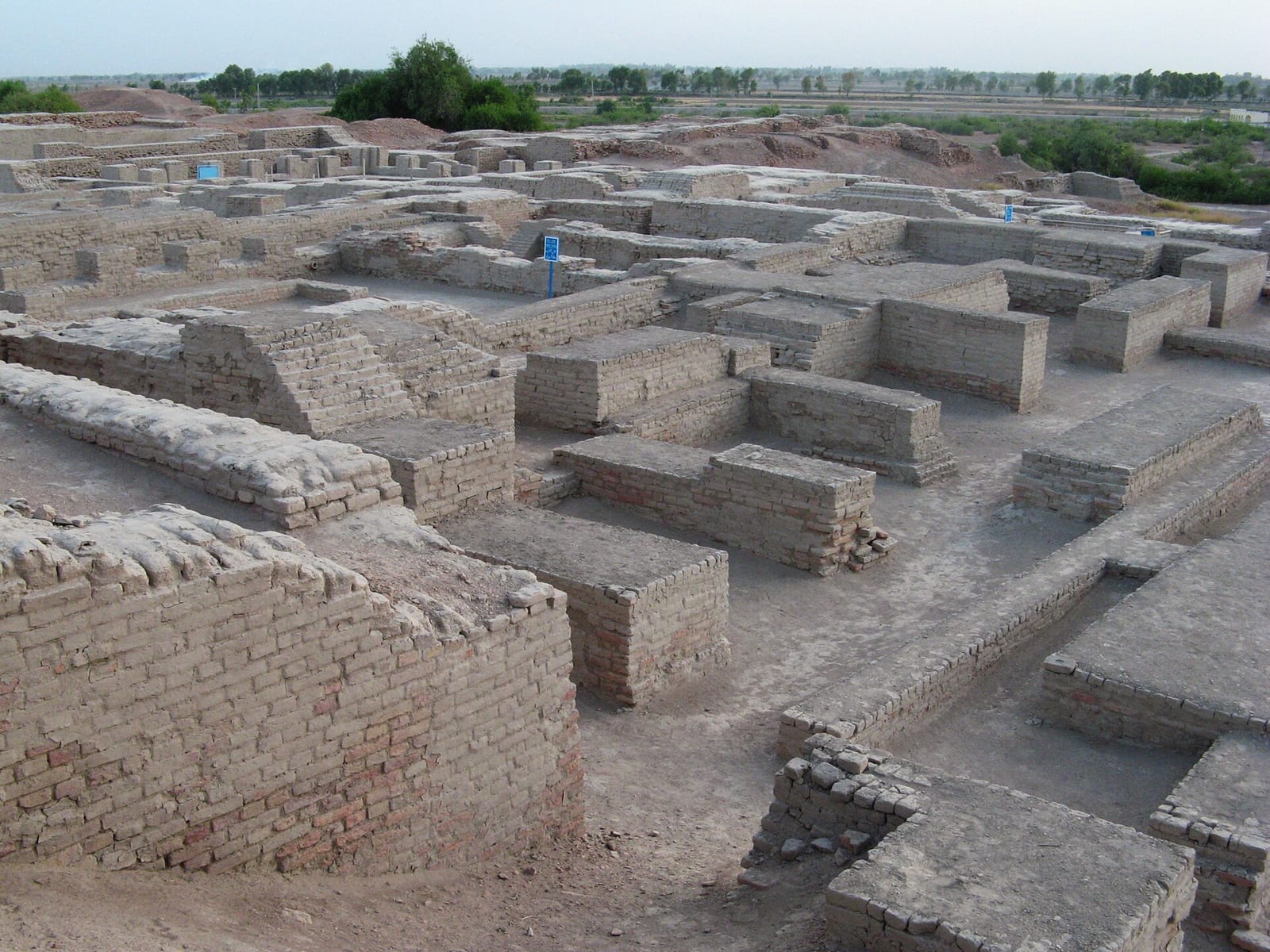
Indus Cities Build a Different Urban World
Planned streets, drainage and long-distance exchange reveal an ancient civilization whose writing remains undeciphered.
Across the alluvial plains of the Indus River and the seasonal Ghaggar-Hakra system, settlements grew into an expansive network of Bronze Age towns and metropolises. During its mature phase, roughly between 2600 and 1900 BCE, this civilisation extended across a vast part of northwestern South Asia. Its territory extended from the rugged landscapes of Balochistan and northeastern Afghanistan to western Uttar Pradesh and the coastal lands of Gujarat. Supported by seasonal monsoon rains and river flooding, agrarian communities produced sufficient surpluses to sustain populous civic hubs like Harappa and Mohenjo-daro.
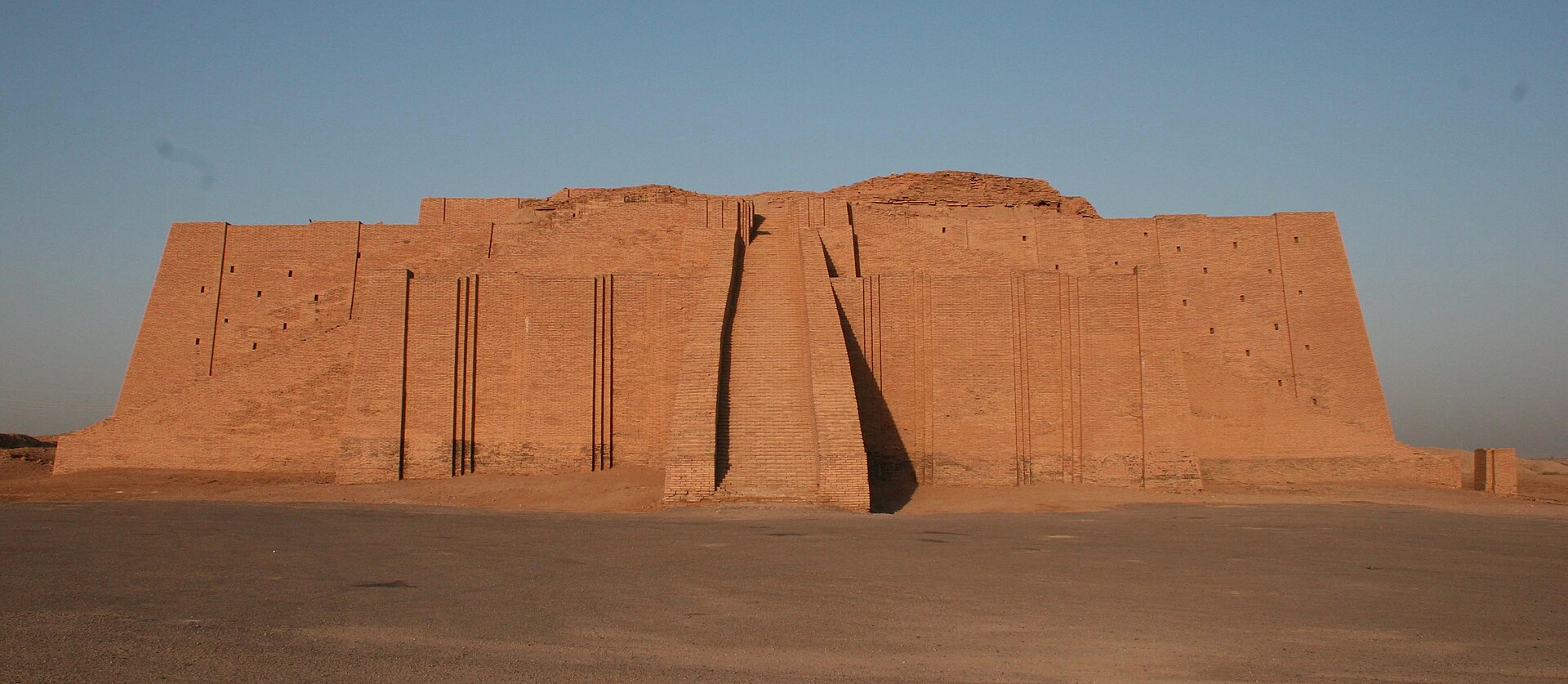
Unlike the monumental temple complexes that defined Mesopotamian centres such as Ur, the architecture of mature Indus settlements prioritised civic infrastructure and regulated domestic environments. Urban layouts followed structured orientations built predominantly from baked brick. Excavations reveal protective walls and raised platforms designed to shield against seasonal flooding. Habitations varied in size yet maintained consistent structural layouts. Residences opened into interior courtyards and narrow side lanes rather than main thoroughfares, shielding domestic life from public avenues while ensuring widespread domestic access to wells and dedicated bathing spaces.

Keep reading in Yester
Coming soon to the App Store
Keep following the story
Sources
Image: Comrogues from San Francisco, California