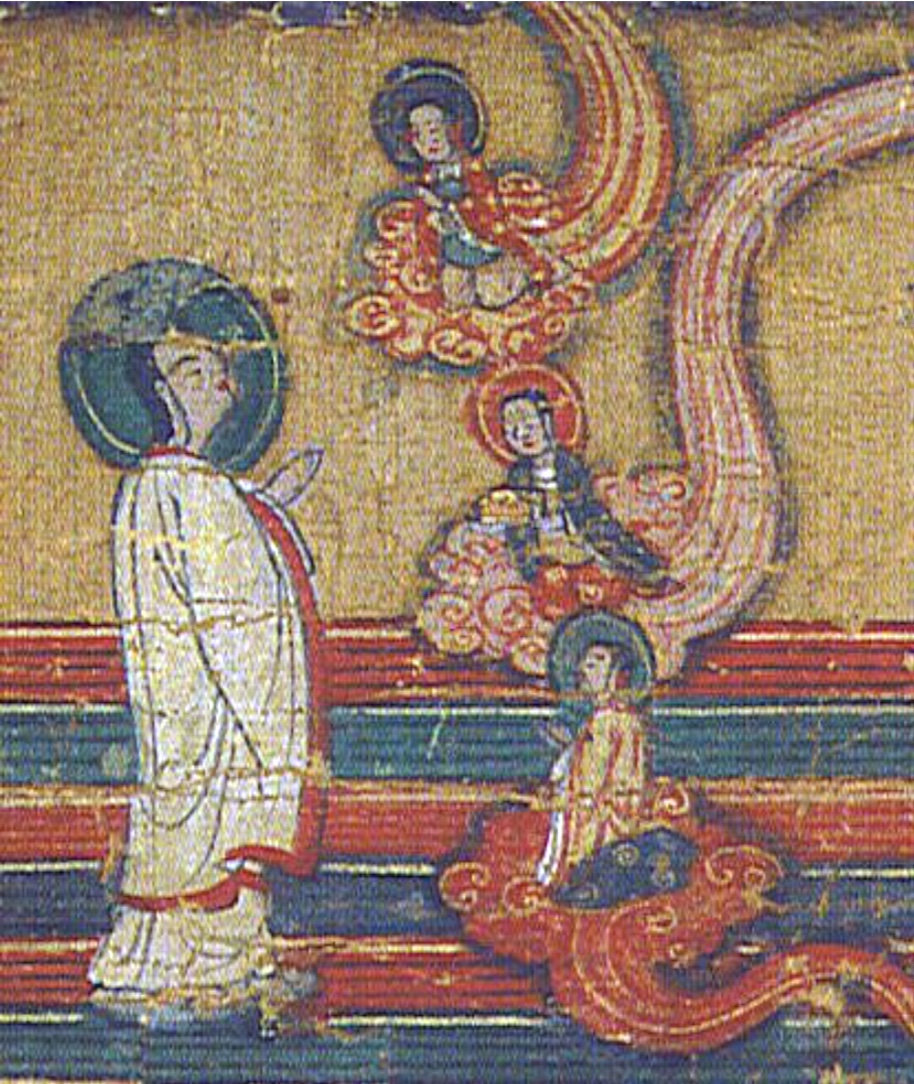
Mani Begins Preaching a New World Religion
His faith of light and darkness spread from Persia to Roman Africa and Tang China.
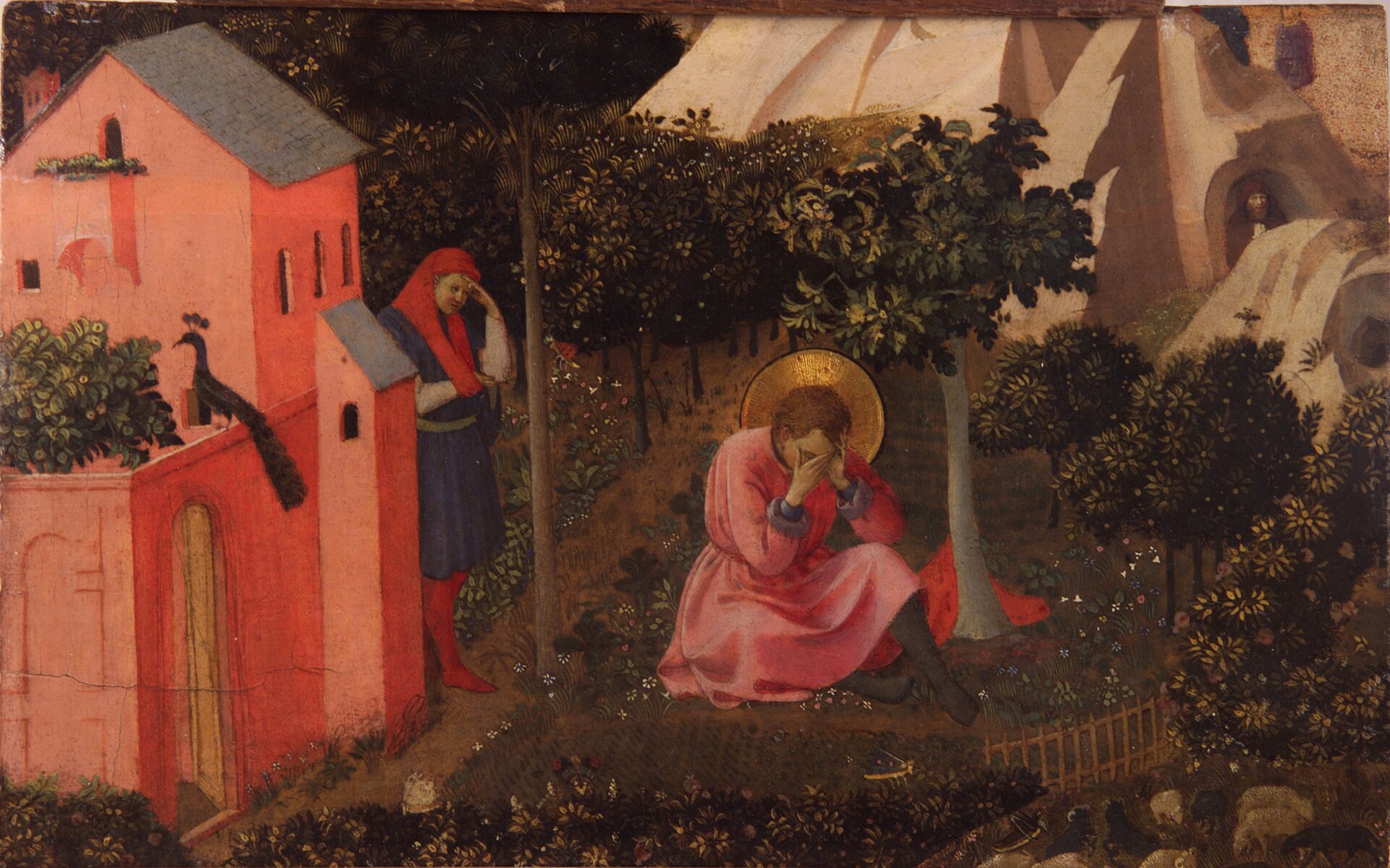
Around 240, in the fertile region near Ctesiphon in southern Mesopotamia, a young preacher named Mani began proclaiming what he viewed as the ultimate revelation for humankind. Born in April 216 while the area was under Parthian rule, Mani belonged to an elite heritage through his mother, who had ties to the Arsacid royal line. His father, Pattik, had joined an ascetic Jewish Christian baptist sect known as the Elcesaites. Raised in this communal environment, Mani grew up surrounded by beliefs that blended early Christian doctrine with Gnostic elements. According to the biographical parchment known as the Cologne Mani-Codex, he experienced spiritual visitations at the ages of twelve and twenty-four from an ethereal companion he called his heavenly twin. These visions instructed him to leave the Elcesaites and embark on an independent mission.
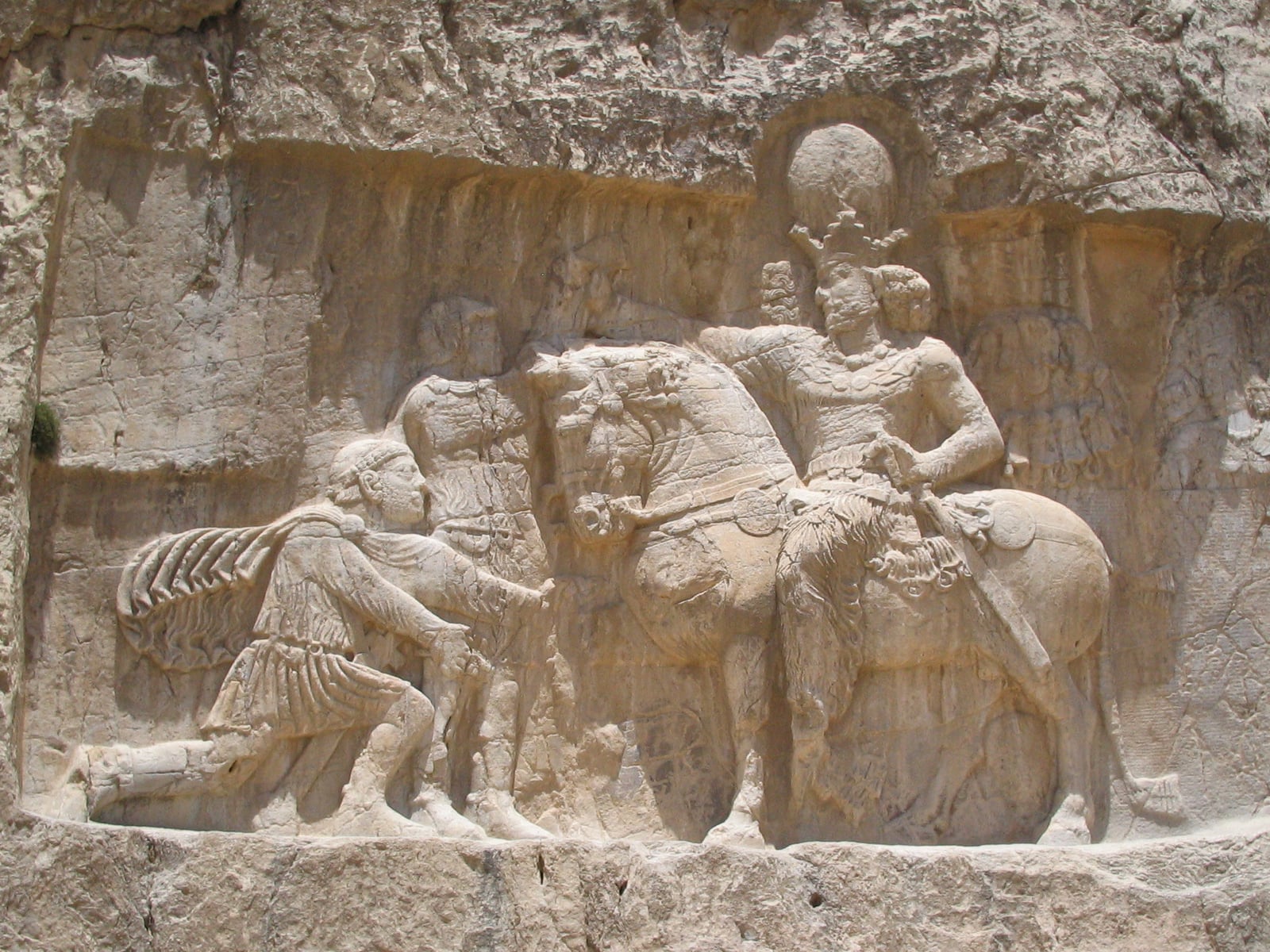
Following his second vision, Mani journeyed east toward India. There he came into contact with Buddhist communities and early Hindu thought, traditions that deeply influenced his understanding of cosmic order and spiritual discipline. By the time he returned to the Sasanian Empire around 242, the throne had passed to the Persian emperor Shapur I. Mani presented himself before the new monarch and composed his only known work in Middle Persian, titled the Shabuhragan, dedicated directly to the ruler. Although Shapur chose to remain Zoroastrian, he recognized political and cultural value in Mani, granting him royal protection, welcoming him into court circles, and allowing him to preach freely throughout his realm.

Keep reading in Yester
Coming soon to the App Store
Keep following the story
Sources
Image: Author: