The Maji Maji Rising Unites Peoples Against German Rule
Fighters in German East Africa believed sacred water would protect them from bullets.
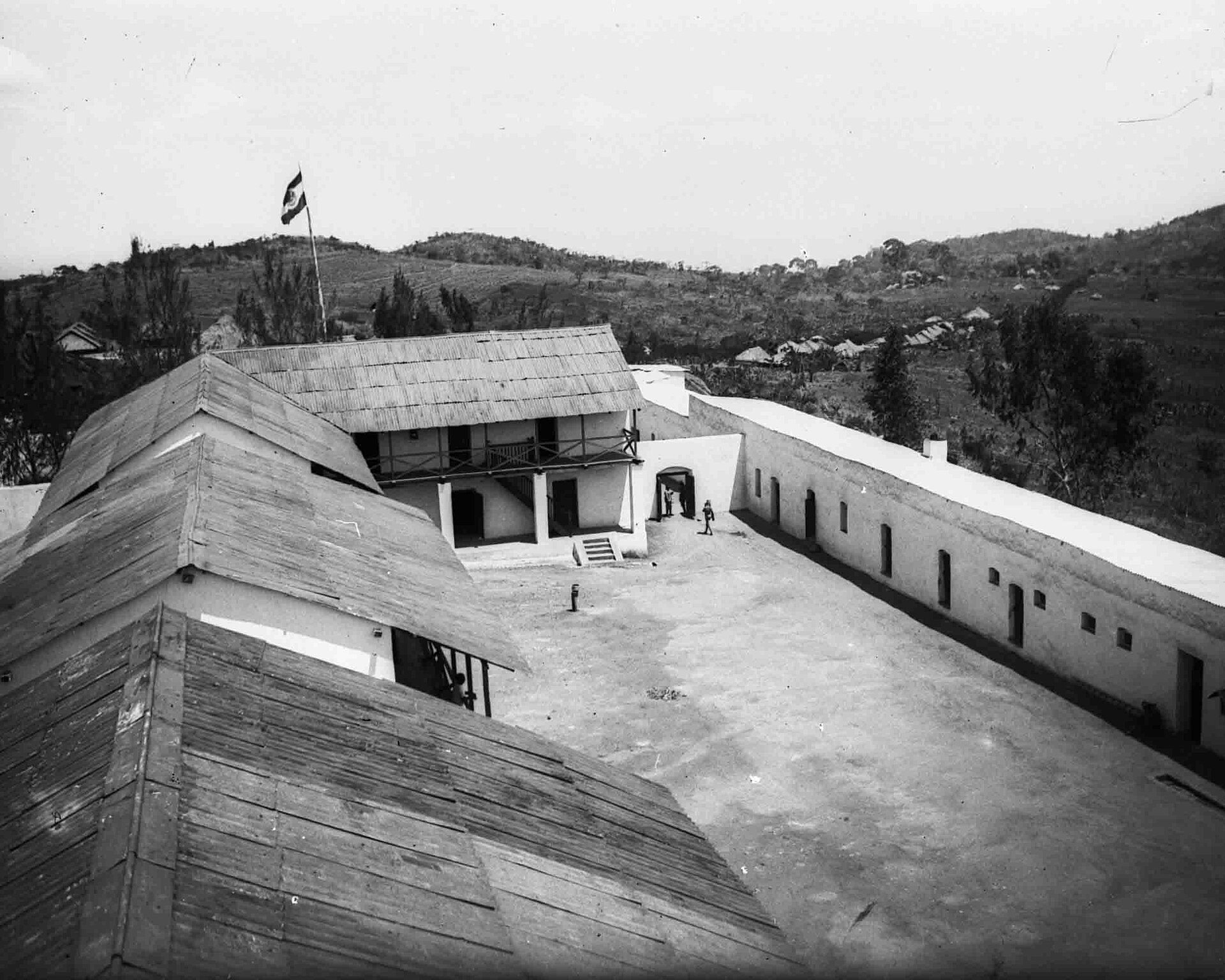
In July 1905, indigenous communities in the southern Matumbi Hills rose in armed resistance against German East Africa. German colonial authorities, maintaining tenuous control over the vast interior through scattered forts, had imposed head taxes in 1898 and conscripted local men for forced labor. Tensions escalated sharply after 1902, when Governor Gustav Adolf von Götzen instituted an oppressive agricultural scheme requiring villages to fulfill strict quotas of cotton for export. Cotton cultivation placed severe strains on the region, which lacked the water necessary for such crops, and drove a wedge between appointed village headmen and their communities. Combined with forest regulations and a drought that threatened local food supplies in 1905, these burdens disrupted traditional family structures, prompting workers to rebel by uprooting cotton plants and destroying government installations.
The uprising drew spiritual coherence from Kinjikitile Ngwale, a medium known to his followers as Bokero. Operating around animist traditions and local religious practices, Kinjikitile asserted possession by a spirit named Hongo and preached that indigenous peoples were ordained to cast out the colonizers. He dispensed a sacred medicine composed of water, known in Kiswahili as maji, mixed with castor oil and millet seeds. Followers wore stalks of millet around their brows and believed this medicine would transform incoming European bullets into harmless water. Armed primarily with spears and arrows, sometimes tipped with poison, insurgent forces attacked colonial outposts across the southern districts. German authorities soon captured and executed Kinjikitile for treason, yet his spiritual message had already permeated neighboring communities.

Keep reading in Yester
Coming soon to the App Store
Keep following the story
Sources
Image: Kurt von Schleinitz (1859-1928)