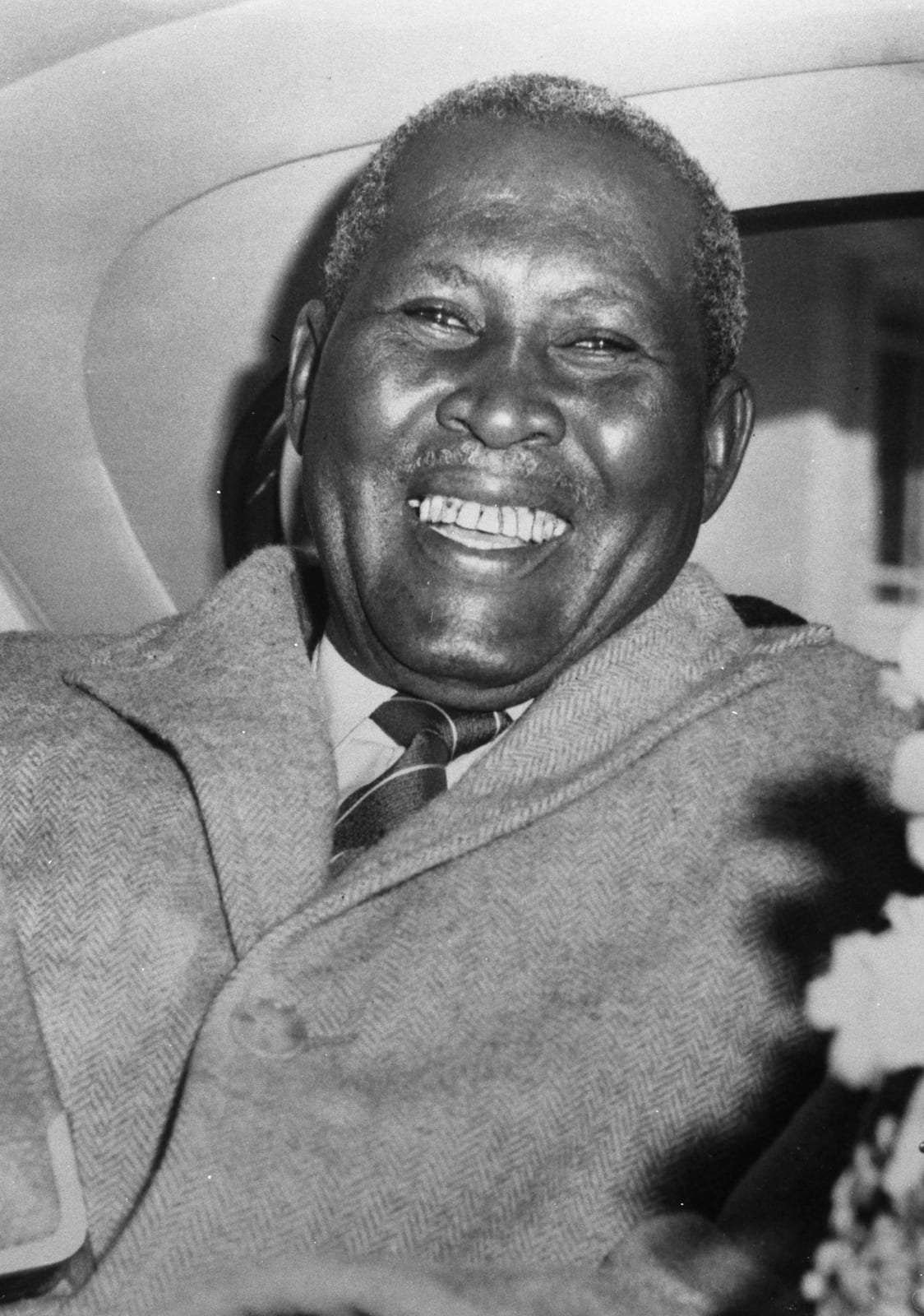
Albert Luthuli Gives Resistance a Voice Beyond South Africa
A teacher and political leader received the Nobel Peace Prize while living under apartheid restrictions. International recognition amplified a struggle that remained dangerous at home.
In 1935, Albert Luthuli was elected chief of the Umvoti River Reserve in Groutville, leaving a teaching position at Adams College to take up traditional leadership. The decision meant accepting a significant drop in earnings to address the immediate grievances of his community. At Groutville, Luthuli confronted the mounting pressures placed on Black South Africans by segregationist legislation, including laws that stripped voters in the Cape of their franchise and restricted the land available to the African majority to less than thirteen percent. Governing through consultation and communal support, he organised local cane growers and later represented regional grievances on the advisory Natives Representative Council.
Luthuli joined the African National Congress in 1944 and secured the presidency of its Natal branch in 1951. His leadership coincided with a major turning point in the anti-apartheid struggle: the 1952 Defiance Campaign. Organised jointly with groups such as the South African Indian Congress, this mass movement deployed disciplined, nonviolent civil disobedience to protest apartheid pass laws and segregated public amenities. As thousands of volunteers deliberately broke segregation statutes across the country, ANC membership expanded from twenty-five thousand to one hundred thousand. The South African government responded by introducing strict security laws and presenting Luthuli with an ultimatum to resign from either his chieftainship or the ANC. Refusing to yield, he was deposed as chief in November 1952 and was elected President-General of the ANC shortly thereafter.

Keep reading in Yester
Coming soon to the App Store
Keep following the story
Sources
Image: Unknown author Unknown author