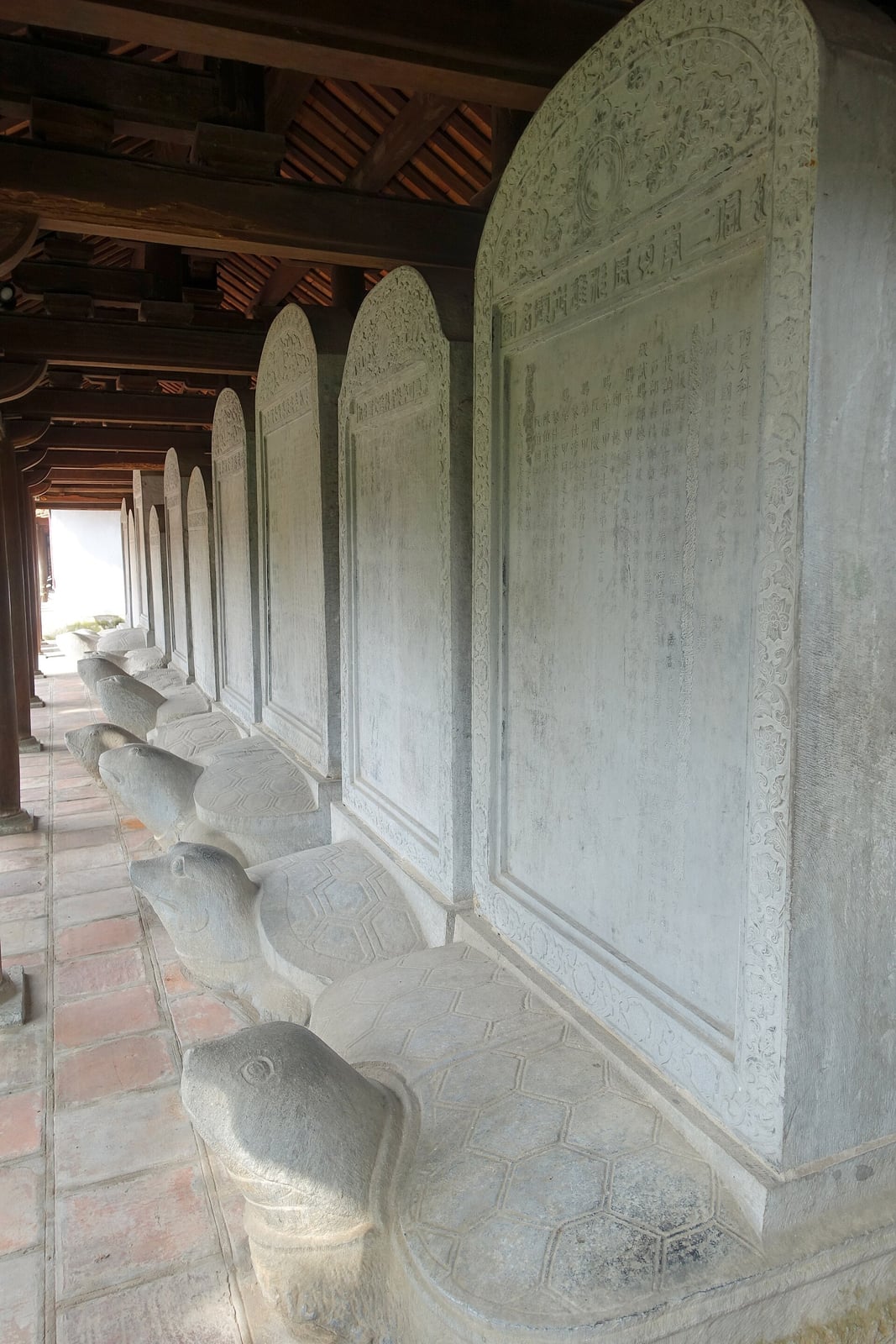
Lê Thánh Tông Issues the Hồng Đức Code
Vietnam’s law code gave women notable rights to inherit and own property.
In 1460, Prince Le Tu Thanh ascended the throne of Dai Viet under the regnal title Le Thanh Tong following a counter-coup against his older brother, Le Nghi Dan. Inheriting a realm previously destabilized by rapid royal turnover and regional rivalries, the young monarch initiated wide-ranging structural changes. He shifted court influence away from the aristocratic military elites of Thanh Hoa and established an administration led by literati scholars who were selected through rigorous imperial examinations.
Central to this transformation was the reorganization of the state apparatus on a Confucian administrative model. The crown distributed central authority across six dedicated ministries, monitored governance through an independent Board of Censors, and standardized administrative geography by dividing Dai Viet into thirteen provinces. Routine censuses registered thousands of villages, and provincial commanders, judges, and civil governors managed local defense, grain reserves, and flood repairs, while communal village councils retained internal authority over day-to-day rural life.

Keep reading in Yester
Coming soon to the App Store
Keep following the story

Sources
Image: Daderot