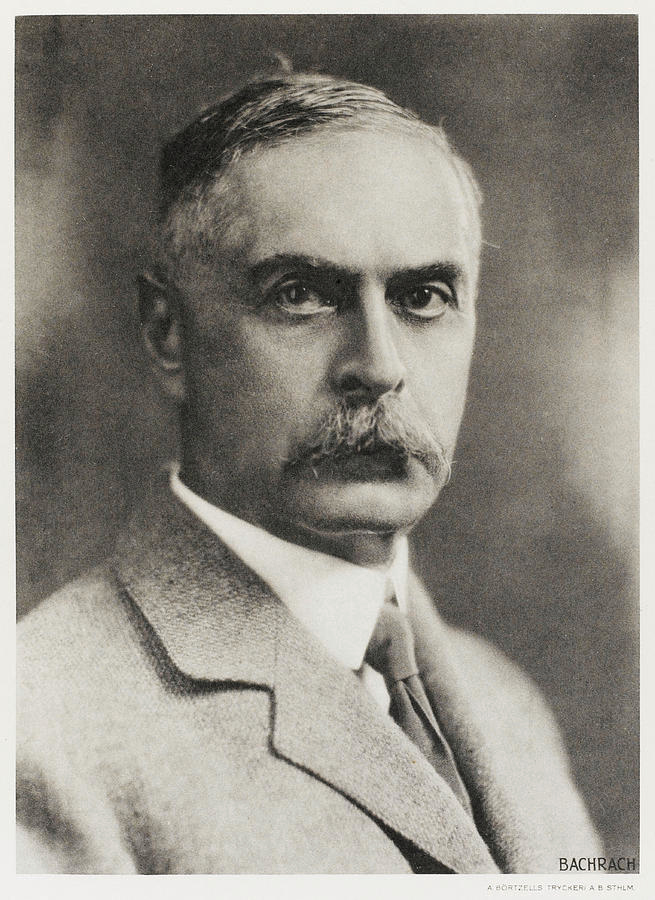
Landsteiner Identifies Differences That Make Blood Transfusion Safer
Laboratory observations of blood reactions exposed a crucial reason why transfusions could succeed or fail.
At the beginning of the twentieth century, medical practitioners still regarded blood transfusion as an unpredictable and frequently hazardous intervention. Although physicians had attempted to transfer blood between humans for centuries, patients often suffered fatal complications that medical science could not adequately explain. While working at the University of Vienna under the pathologist Anton Weichselbaum, the Austrian physician Karl Landsteiner began examining blood serum reactions to understand the precise biological mechanisms governing immunity and antibody interactions.
During laboratory tests conducted in 1900, Landsteiner observed that mixing blood samples taken from different human subjects frequently produced clumping, known as agglutination. In 1901, he demonstrated that this reaction occurred when red blood cells came into direct contact with foreign blood serum. Through systematic cross-testing of specimens, Landsteiner recognized that these cellular responses followed definite patterns, leading him to identify three distinct blood categories that he originally designated as A, B, and C, the last of which was later termed group O.

Keep reading in Yester
Coming soon to the App Store
Keep following the story
Sources
Image: Bachrach Studios