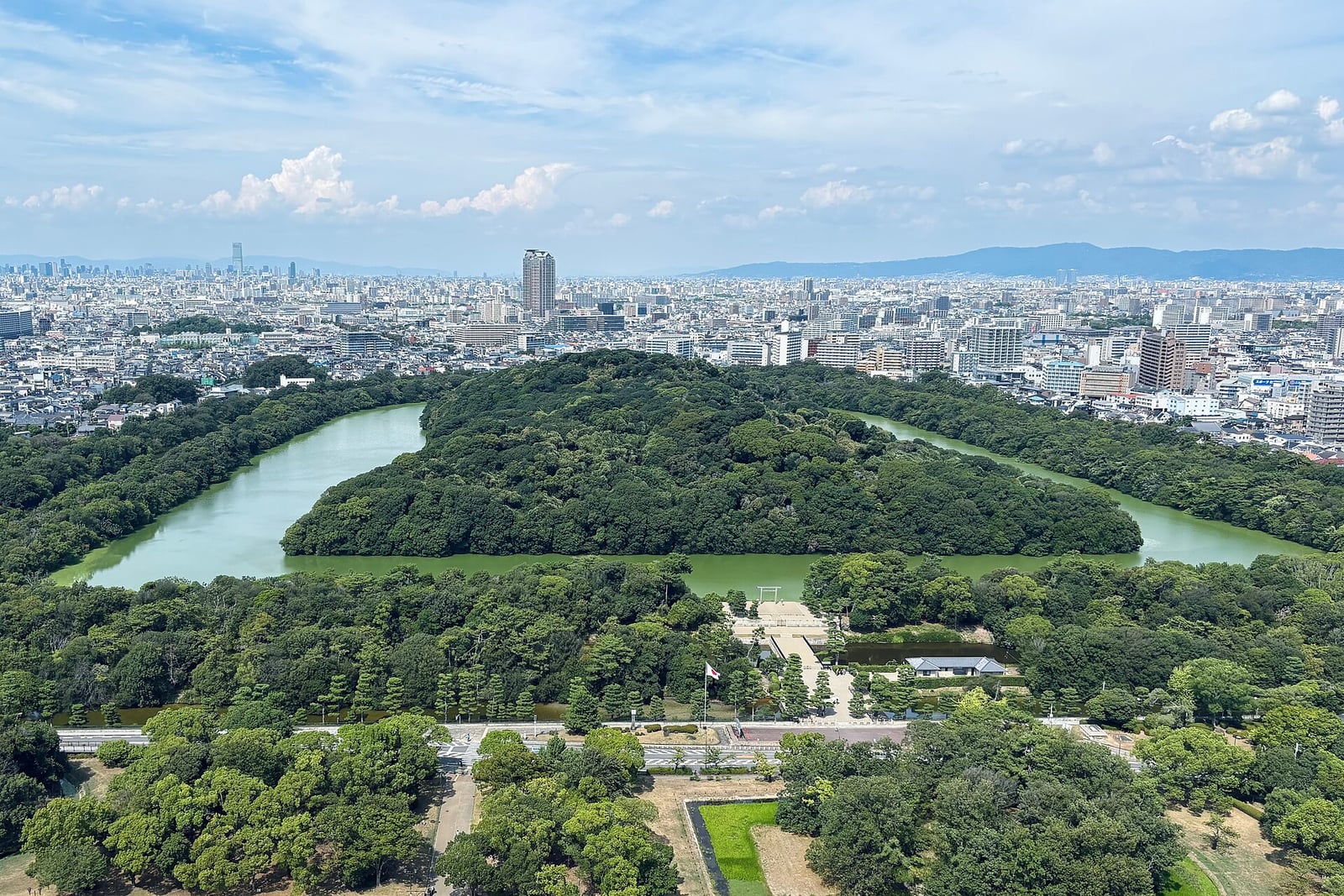
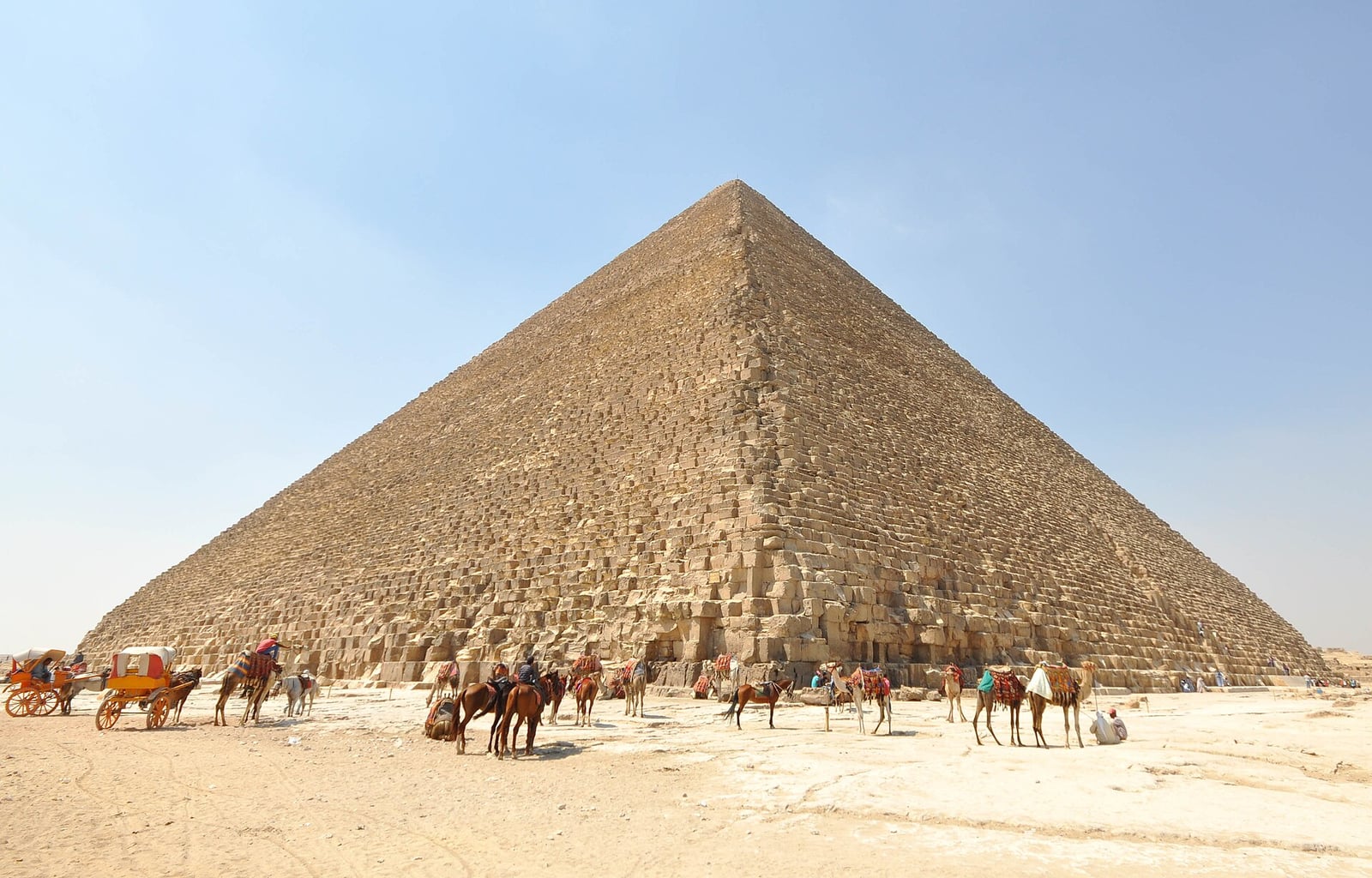
The Daisen Kofun Covers More Ground Than Giza’s Pyramid
Japan’s largest keyhole-shaped burial mound is 486 metres long, far longer than the Great Pyramid is wide.
During the third to the sixth centuries, the archipelago of Japan underwent profound political centralization characterized by the construction of monumental earthworks known as kofun. Named after these elite tumuli, the Kofun period succeeded the Yayoi era around 300 and preceded the introduction of Buddhism in 538. These burial mounds, constructed for the aristocratic ruling class, frequently featured stone burial chambers, surrounding moats, and outer perimeters lined with unglazed earthenware sculptures known as haniwa. While tumuli took several forms, including circular, square, and scallop-shell designs, the keyhole mound, featuring a square front attached to a rounded rear, emerged as a distinctive monumental style across the islands.
Archaeologists count the Hokenoyama Kofun in Sakurai, Nara, among the earliest tumuli of this tradition. Large keyhole mounds then rose in the Makimuku district, among them Hashihaka, which radiocarbon dating by the National Museum of Japanese History places around 240 to 260, and other giant mounds followed in the area during the fourth century. Over the following century, the practice shifted and expanded from Yamato Province to Kawachi Province, culminating in the construction of massive tumuli such as Daisenryo Kofun. Over the course of the period, approximately five thousand keyhole mounds were erected across much of the archipelago, reflecting the broadening geographical reach of the Yamato polity.

Keep reading in Yester
Coming soon to the App Store
Keep following the story
Sources
- Mozu-Furuichi Kofun Group: Mounded Tombs of Ancient Japan (UNESCO World Heritage Centre)
- Nintoku-tenno-ryo Kofun encyclopedia (Sakai City Museum)
- Japan Burial Site Under Excavation One of World's Largest (Nippon.com)
- Tsukuriyama Kofun (Okayama City)
- Radiocarbon dating of the appearance of Kofun, Bulletin of the National Museum of Japanese History (Rekihaku repository)
- Kofun period
Image: Sakai Yayoi