Queen Himiko of Wa Sends Envoys to the Wei Court
Chinese records call her a shaman ruler, and the emperor sent her a golden seal.
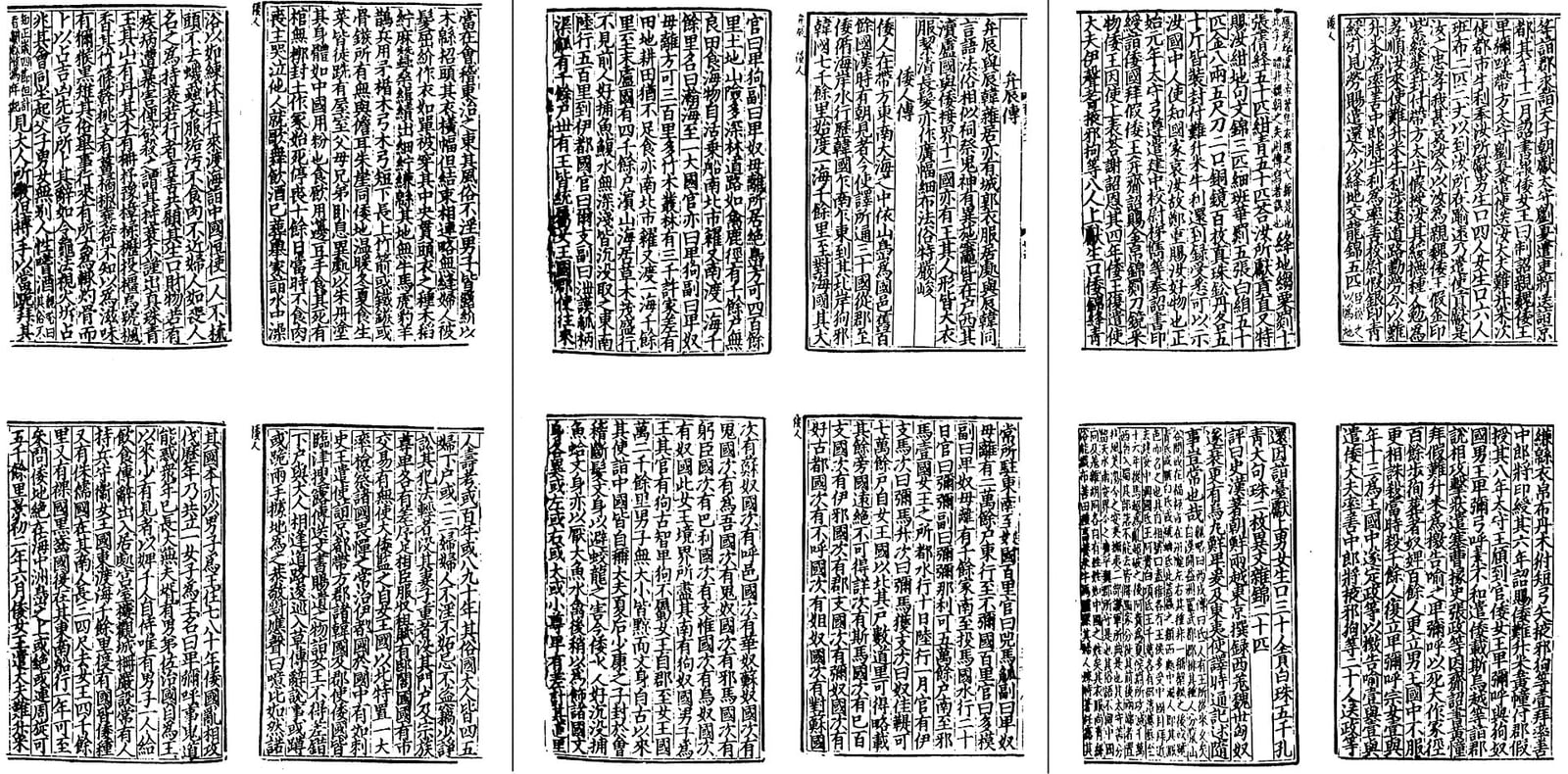
In the third century, envoys from the distant archipelago of Wa crossed the sea to visit the imperial court of Cao Wei in northern China. According to the Chinese chronicle known as the Records of the Three Kingdoms, compiled around 297, these emissaries arrived on behalf of Queen Himiko, the sovereign of Yamatai. The Wei court received tribute that included textiles and enslaved persons, responding with formal recognition, valuable textiles, one hundred bronze mirrors, and an official gold seal affixed with a purple ribbon that proclaimed her an honored friend of the dynasty.
The Chinese accounts offer a detailed portrait of a ruler who remains otherwise shadowy in early domestic writing. The Records of Wei describe how the communities of Wa had suffered through seven or eight decades of persistent warfare among male rulers until the populace agreed to elevate a woman to the throne; a later Chinese history places those wars in the reigns of the Han emperors Huan and Ling, which ended in 189. Himiko occupied herself with sorcery and ritual magic, remaining unmarried as she grew older. She ruled from a fortified palace surrounded by stockades and armed sentries, rarely appearing in public. While one thousand women attended her, only a solitary male attendant entered her presence to serve food and convey her communications, with her younger brother aiding in the administration of the realm.

Keep reading in Yester
Coming soon to the App Store