Surgeons Transplant a Kidney Between Twins
The first lasting organ transplant used identical twins to avoid rejection.
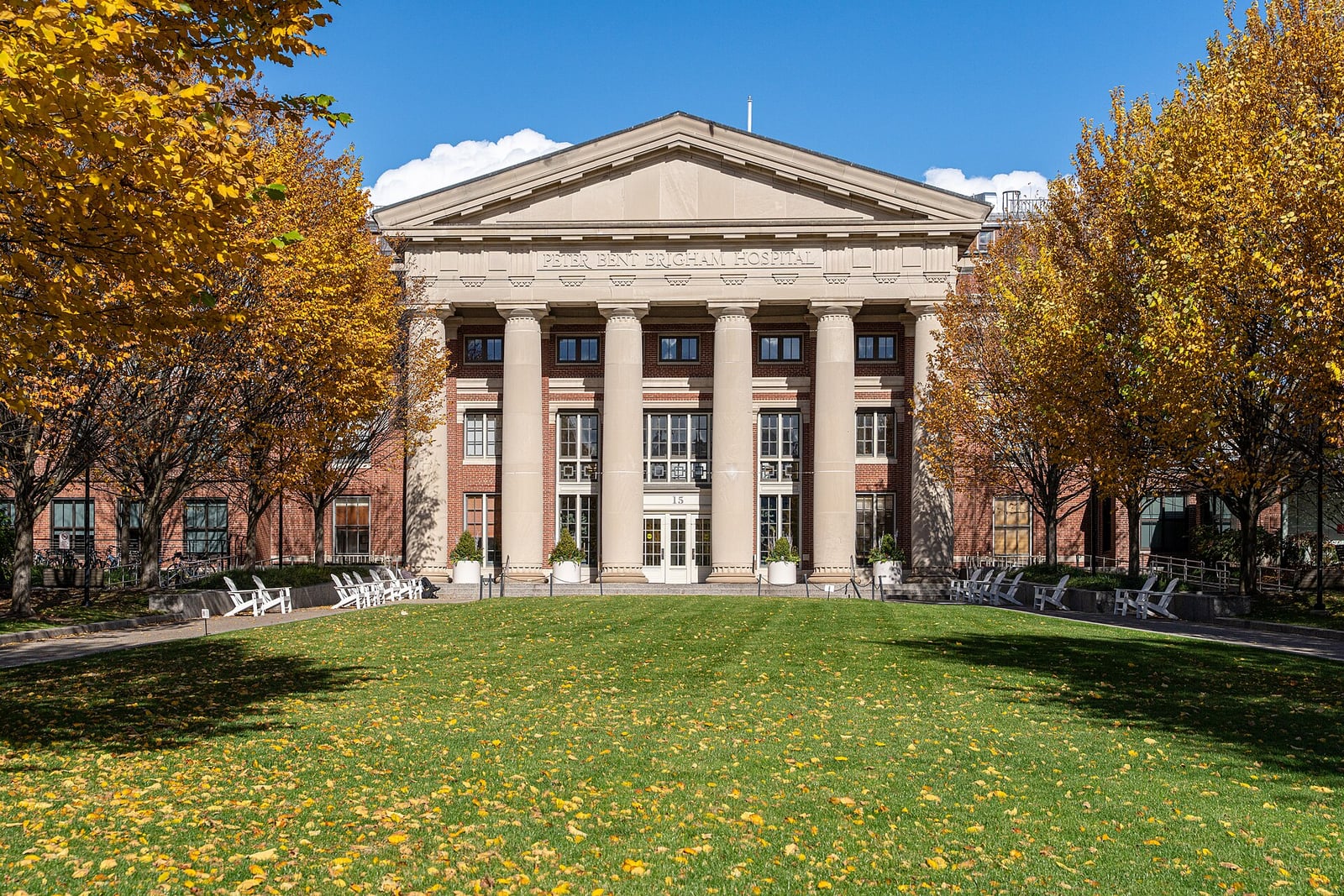
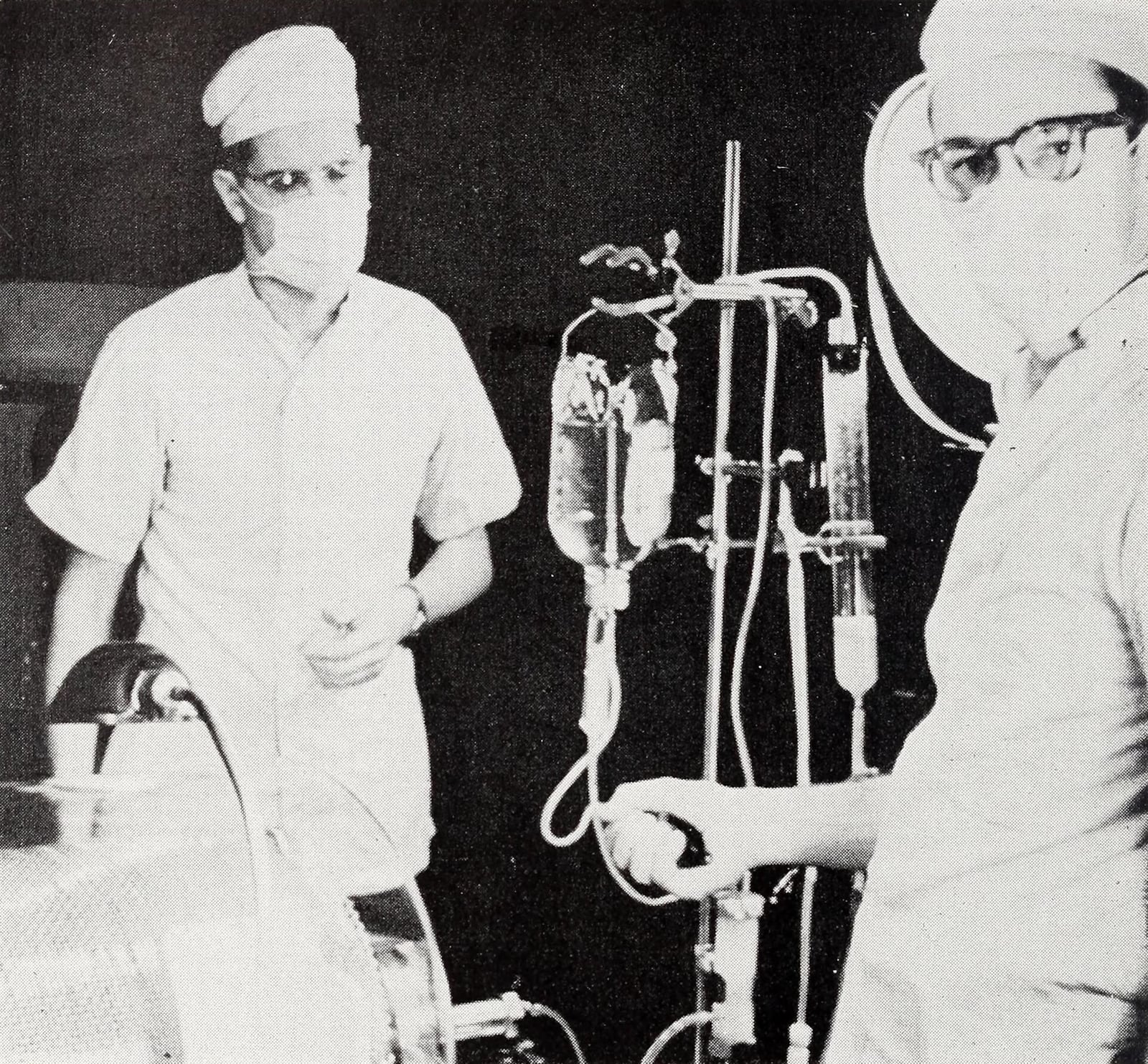
On December 23, 1954, surgical teams at the Peter Bent Brigham Hospital in Boston gathered to attempt a procedure long considered impossible. Richard Herrick, aged 23, was dying of end-stage kidney failure. In an adjacent operating room, his healthy identical twin brother, Ronald Herrick, prepared to donate one of his kidneys. Dr. Joseph E. Murray led the primary surgical effort, working with urologist J. Hartwell Harrison, nephrologist John P. Merrill and a wider team of physicians. Harrison removed Ronald's kidney, and Murray then implanted it in Richard, where it quickly began to function.
Prior to this operation, medical opinion widely viewed internal organ transplantation as unachievable. Earlier research by pioneering surgeons such as Alexis Carrel had concluded that an insurmountable biological force would always cause a recipient to reject another individual's living tissue. Murray's team recognized that identical twins shared genetic material, providing a unique circumstance where the recipient's immune defenses would not treat the donor tissue as foreign. To ensure the moral validity of taking a healthy organ from a living donor, Murray and his colleagues consulted clergy from multiple religious denominations while deliberating the ethical dilemmas.

Keep reading in Yester
Coming soon to the App Store
Keep following the story
Sources
- Joseph E. Murray: Biographical (The Nobel Prize)
- Transplant pioneer dies at 93 (Harvard Gazette)
- The Harvard Doctor Who Made Kidney Transplants Possible (Harvard Magazine)
- Mass. Transplant Doctor, Nobel Winner Murray Dies At 93 (Associated Press via WBUR)
- The Origin of Clinical Organ Transplantation Revisited (JAMA, via PMC)
- Joseph E. Murray
Image: ajay_suresh