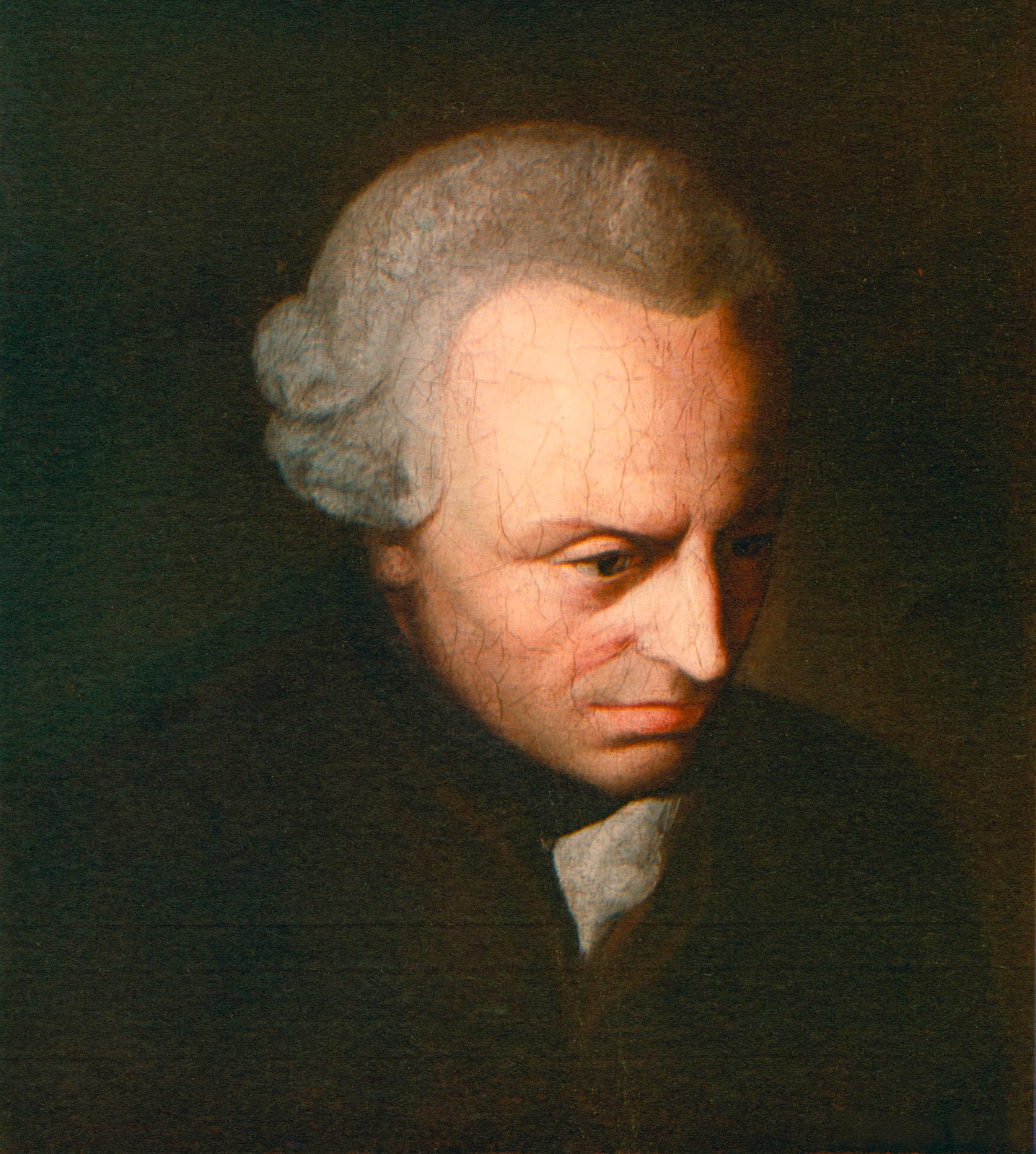
Kant Publishes the Critique of Pure Reason
A professor in Königsberg asked what the mind brings to experience.
In 1781, the philosopher Immanuel Kant published the Critique of Pure Reason in Riga, presenting the culmination of over a decade of reflection from his post in Königsberg. Kant set out to establish whether metaphysics could function as a legitimate science by examining the reach and boundaries of human understanding apart from all sensory experience. For many years, European philosophy had divided into conflicting camps: rationalists argued that substantial truths about reality could be discovered through pure intellect alone, while empiricists contended that all substantive knowledge must originate in sensory observation.
Kant was spurred to resolve this impasse after encountering the skepticism of David Hume. Hume had demonstrated that the relation of cause and effect cannot be perceived directly by the senses, which reveal only regular sequences of events rather than any necessary connection between them. While Hume concluded that necessity could not be established a priori, Kant resisted the implication that fundamental principles of science and mathematics rested merely on habit. He realized that resolving this dilemma required demonstrating how synthetic a priori propositions, statements that expand knowledge beyond mere definitions while remaining universal and necessary, were possible.

Keep reading in Yester
Coming soon to the App Store
Keep following the story
Sources
Image: Unknown, possibly Elisabeth von Stägemann (Anton Graff school)