Joan of Arc Helps Lift the Siege of Orléans
A young woman’s role in a French victory became legendary.
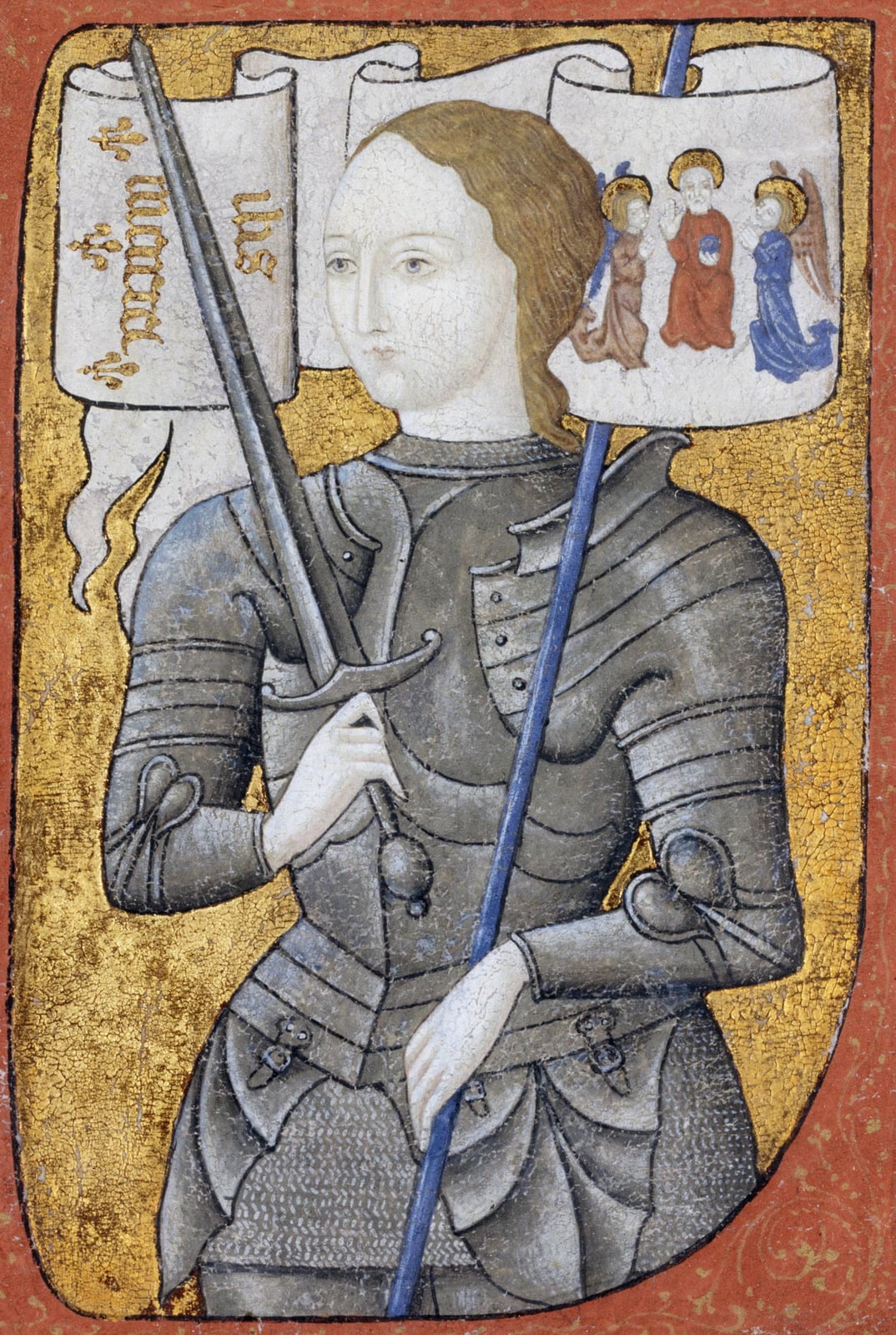
On 29 April 1429, a teenage peasant from the village of Domrémy rode into the beleaguered city of Orléans carrying a painted banner. The arrival of Joan of Arc transformed a protracted siege that had dragged on since the previous autumn. Holding key bridge towns along the Loire River, English forces had nearly severed Orléans from the territory controlled by the Armagnac faction. Joan, who testified that she had been instructed by heavenly visions to rescue France from English dominance, brought badly needed confidence to a demoralized garrison.
Joan had arrived at the royal court in Chinon earlier that year after traveling in male dress from Vaucouleurs with an escort of six soldiers. The French heir, Charles, sent her to Poitiers to undergo questioning by theologians, who found her to be a virtuous Catholic and suggested that testing her claims at Orléans could provide useful evidence of divine favor. Following an examination by matrons directed by Charles's mother-in-law, Yolande of Aragon, to confirm her virginity, the Dauphin provided the young woman with a suit of plate armor, a retinue, and supplies to accompany the relief expedition.

Keep reading in Yester
Coming soon to the App Store