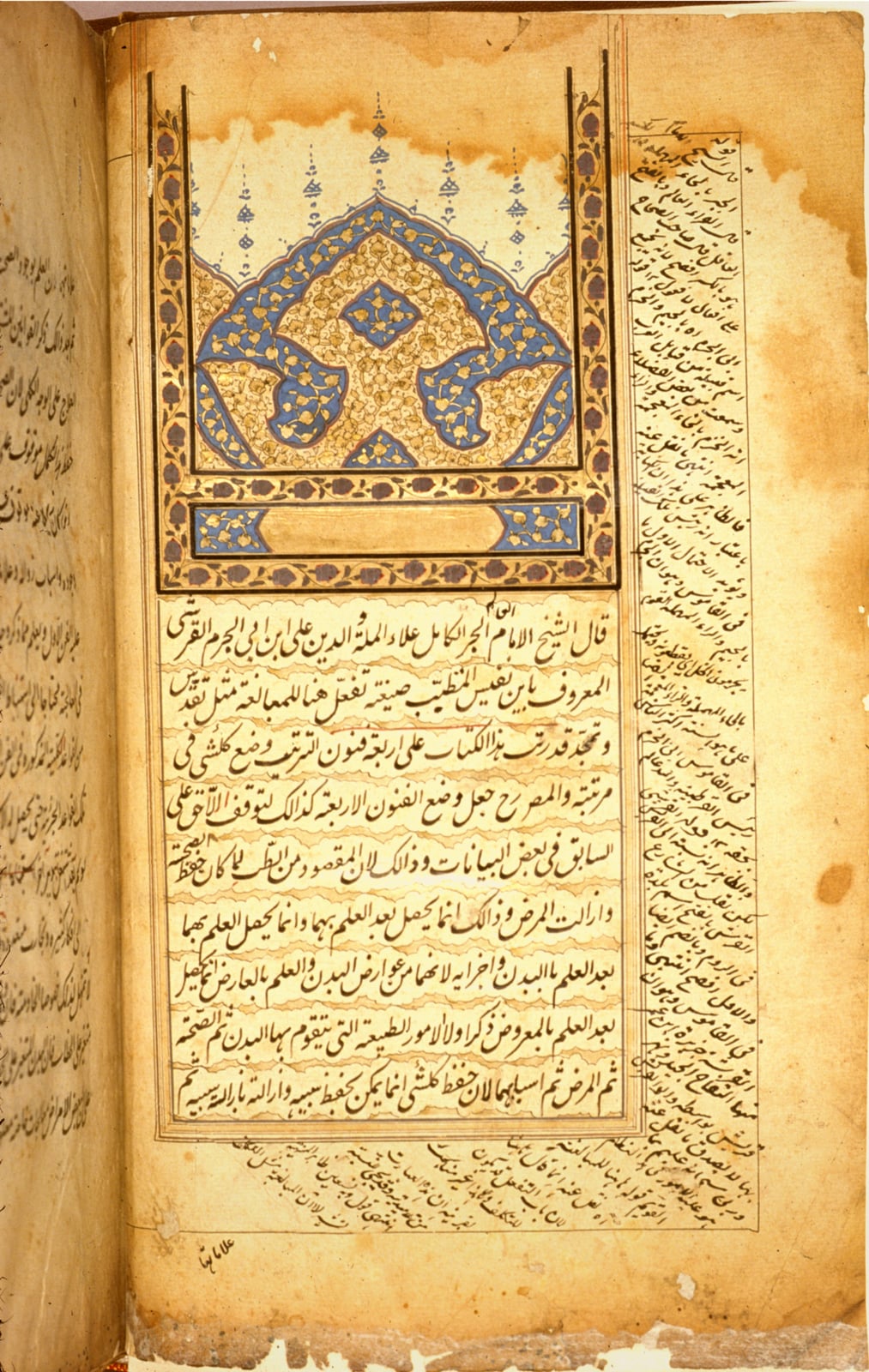
Ibn al-Nafis Describes Pulmonary Circulation
A physician argued that blood passes through the lungs, centuries before Europe knew it.
During the thirteenth century, the Damascus-born physician Ibn al-Nafis formulated an explanation of pulmonary transit that directly challenged the ancient medical authority of Galen. Trained at the Nuri Hospital in Damascus under the clinician al-Dakhwar, Ibn al-Nafis established a prominent career across Syria and Egypt. By 1236, he relocated to Cairo under the patronage of the Ayyubid sultan al-Kamil, working at the al-Nasiri Hospital and later serving as chief physician at the al-Mansuri Hospital, as well as personal physician to Sultan Baibars. Alongside his clinical appointments, he taught religious jurisprudence, authoring treatises on Islamic theology, law, and extensive medical encyclopedias.
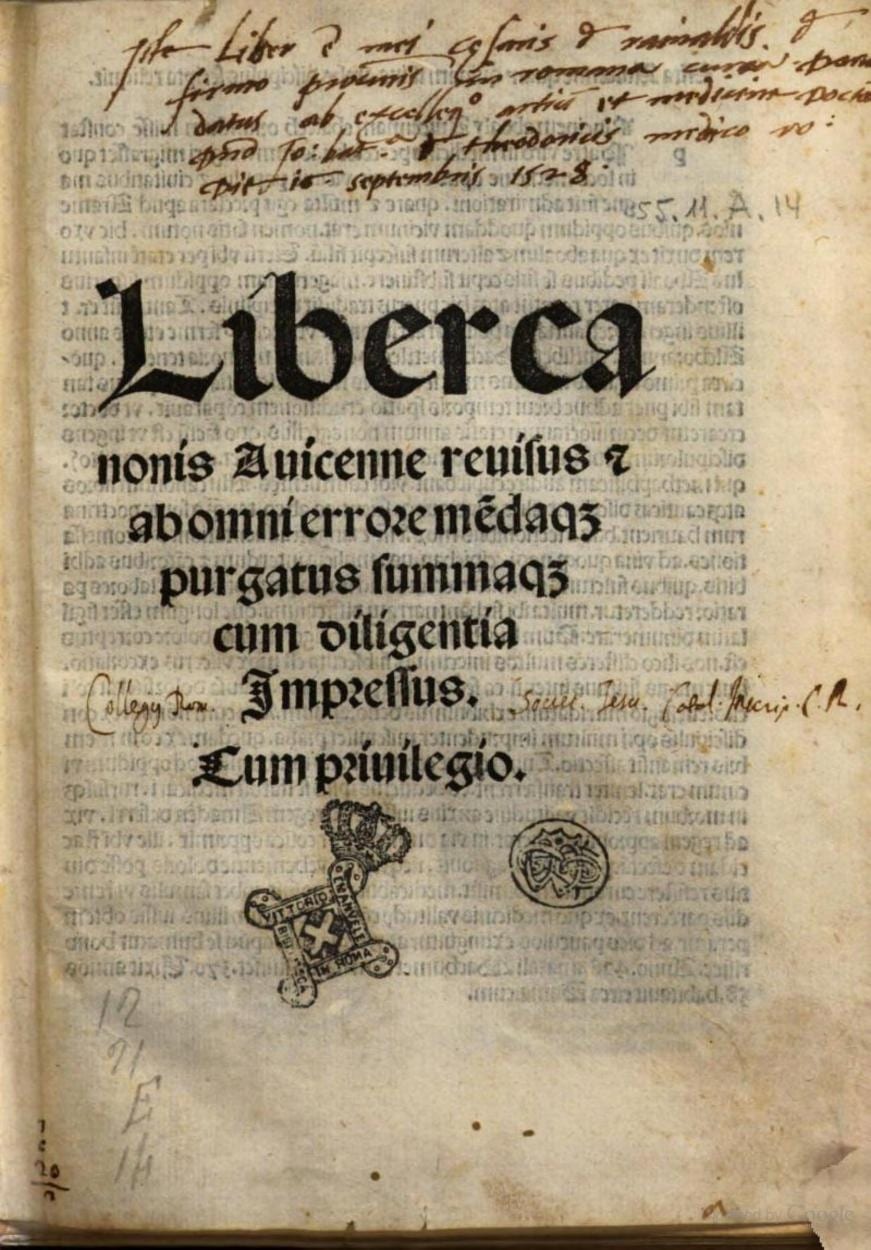
The core of his physiological contribution appeared in his commentary on the anatomical books of the Canon of Medicine by avicenna. For over a millennium, Mediterranean and Middle Eastern medicine had adhered to the Galenic doctrine that venous blood seeped directly from the right ventricle into the left ventricle through invisible pores in the interventricular septum, mixing there with air to generate vital spirit. Galen maintained that the venous and arterial trees functioned essentially as separate systems, linked internally only through these postulated microscopic openings.

Keep reading in Yester
Coming soon to the App Store
Keep following the story
Sources
Image: No machine-readable author provided. Shaolin128~commonswiki assumed (based on copyright claims).