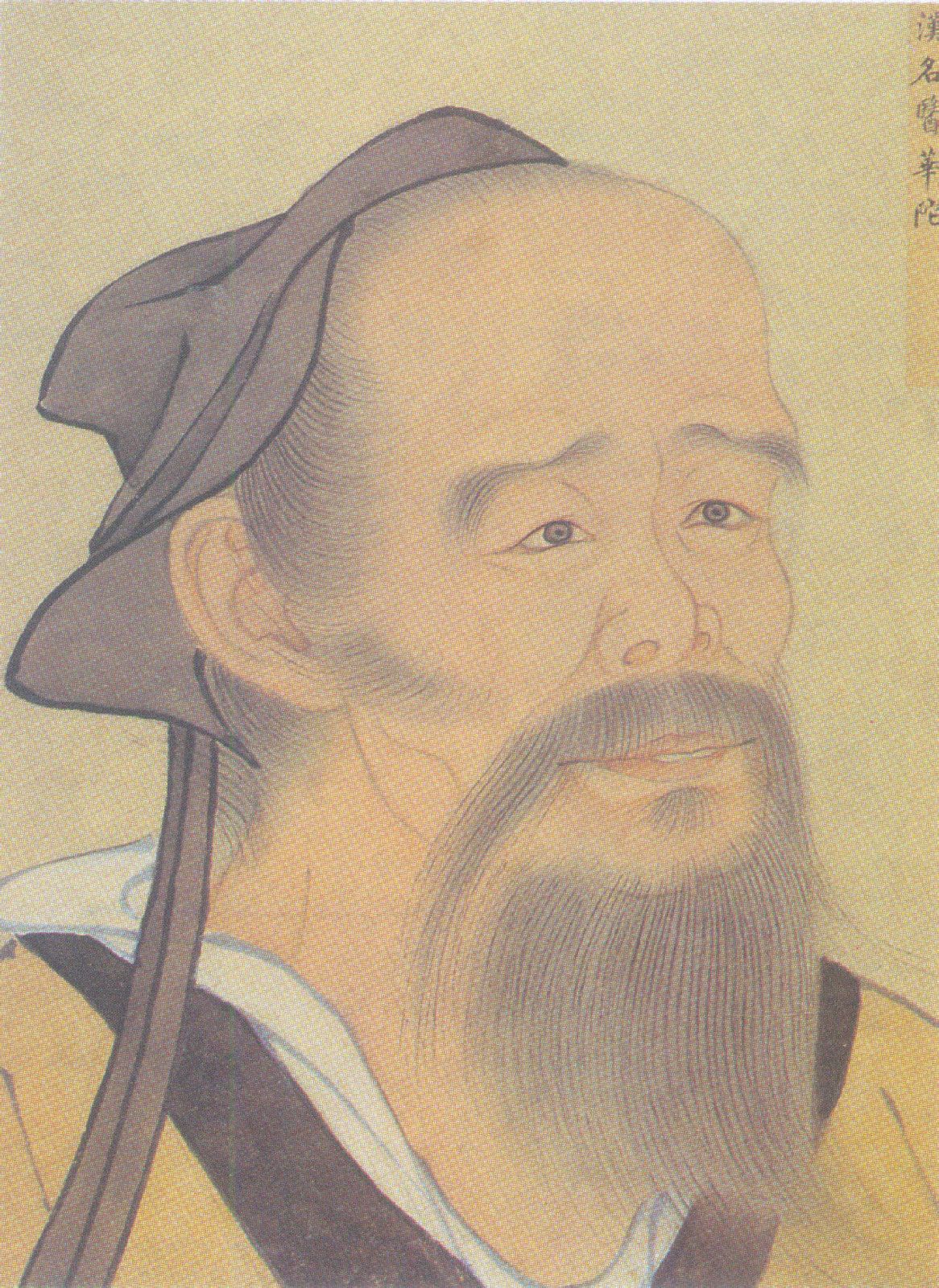
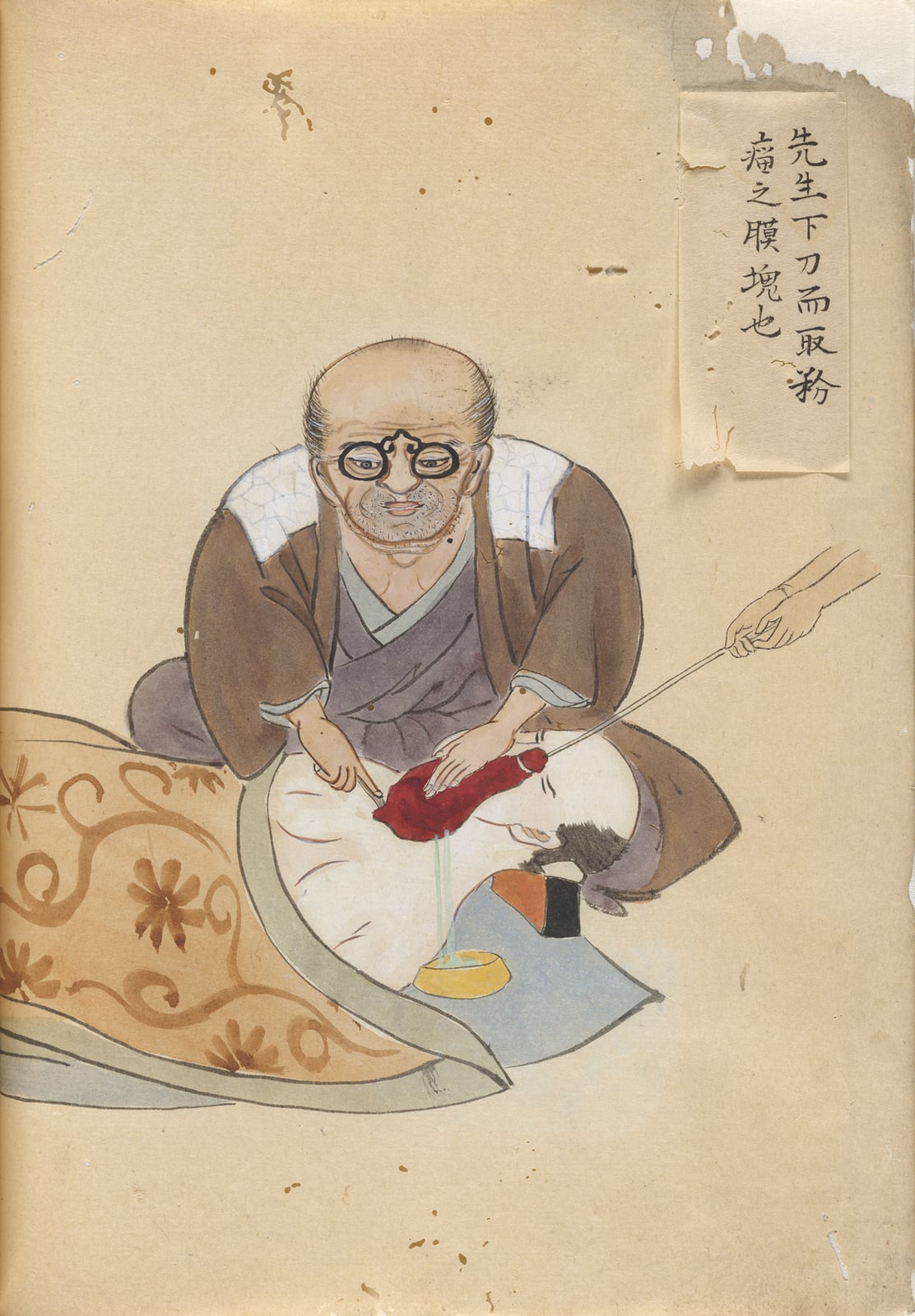
Hua Tuo Operates with an Herbal Anesthetic
Chinese histories say the physician used a powder called mafeisan to dull pain in surgery.
During the final decades of the Eastern Han dynasty, the physician Hua Tuo gained widespread renown across central China for clinical interventions that later chroniclers treated as extraordinary. Originating from Pei Commandery in modern Anhui province, Hua Tuo chose to pursue healing rather than take up official administrative posts. Early dynastic accounts, preserved in the third-century Records of the Three Kingdoms and the fifth-century Book of the Later Han, portray him as a practitioner whose diagnostic skills spanned internal medicine, gynaecology, pediatrics, acupuncture, and invasive surgery.
According to these classical texts, Hua Tuo achieved a breakthrough in surgical management by administering an intoxicating powder called mafeisan. When dissolved in wine, the mixture rendered patients deeply insensate, resembling death. This profound state of analgesia permitted Hua Tuo to open abdominal cavities, excise damaged organs, cleanse infected viscera, and suture incisions. The historical records report that patients experienced minimal discomfort during recuperation and often recovered fully within a month, making mafeisan the earliest recorded anesthetic of its kind in Chinese historical literature.

Keep reading in Yester
Coming soon to the App Store
Keep following the story
Sources
Image: Unknown author Unknown author