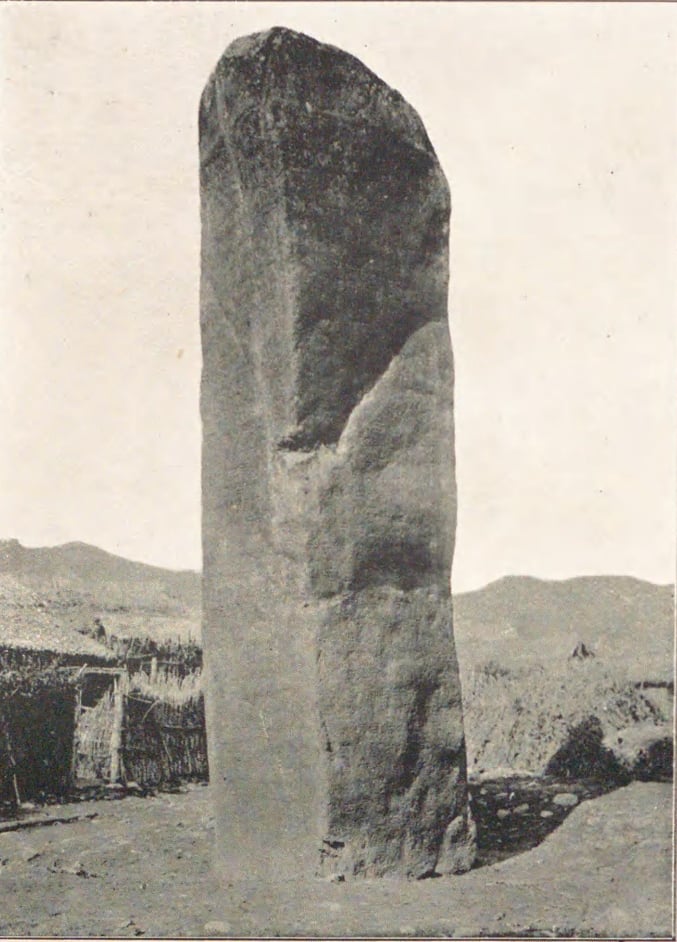
A Goguryeo King’s Deeds Are Carved on a Giant Stele
A six-metre stone records Gwanggaeto the Great’s campaigns across Korea and Manchuria.
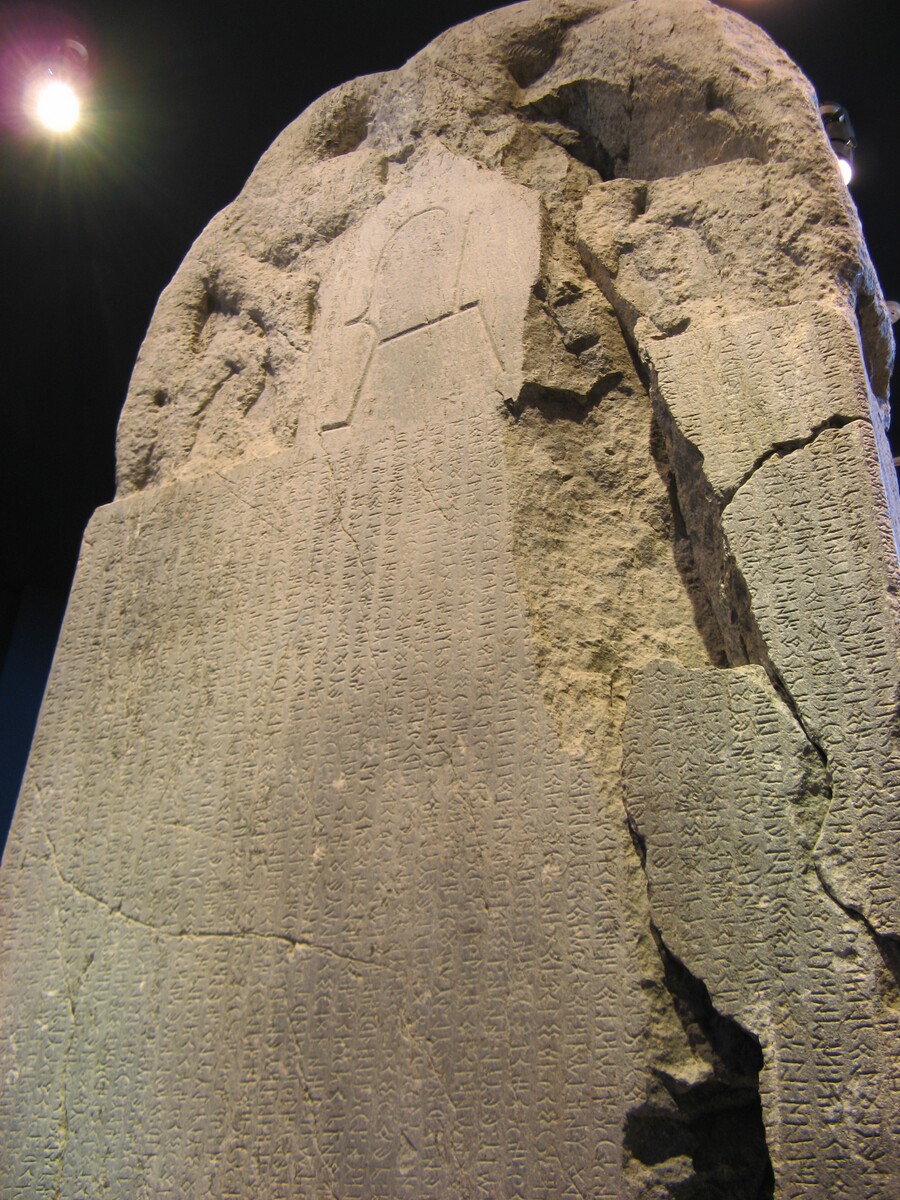
In 414, King Jangsu of Goguryeo raised a colossal granite memorial near his capital along the Yalu River, situated in present-day Ji'an in northeastern China. The monument stood close to the tomb of his father, Gwanggaeto the Great, who had governed from 391 until 413. Carved from a single stone, the pillar reached roughly 6.4 metres in height. It was engraved on all four sides with classical Chinese characters, numbering roughly 1,600 to 1,800 by different modern counts, creating one of the most substantial surviving epigraphic records in East Asian history.
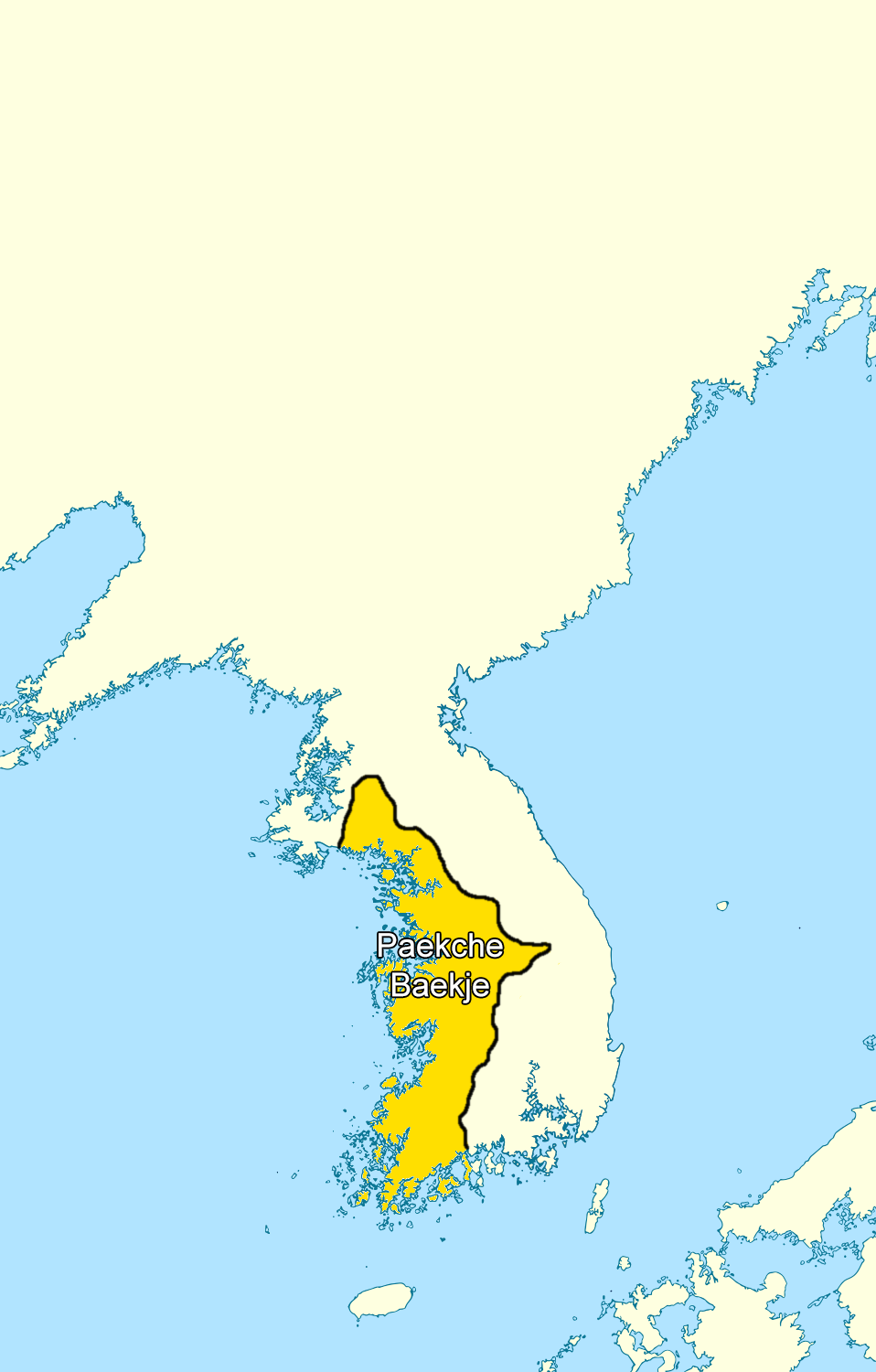
The text inscribed upon the stone divides into three distinct sections. The opening passages trace the foundation legend of Goguryeo, describing how King Chumo journeyed southward from Northern Buyeo and established the royal dynasty. A subsequent portion lists the administrative arrangements and appointed caretakers responsible for maintaining the late ruler's mausoleum in perpetuity. Between these two components lies an extensive martial chronicle that outlines Gwanggaeto's territorial campaigns, detailing conquests that began against the Paeryeo in 395 and included the submission of Paekche in 396 alongside confrontations involving Silla and eastern neighbours.

Keep reading in Yester
Coming soon to the App Store
Keep following the story
Sources
Image: Unknown author Unknown author