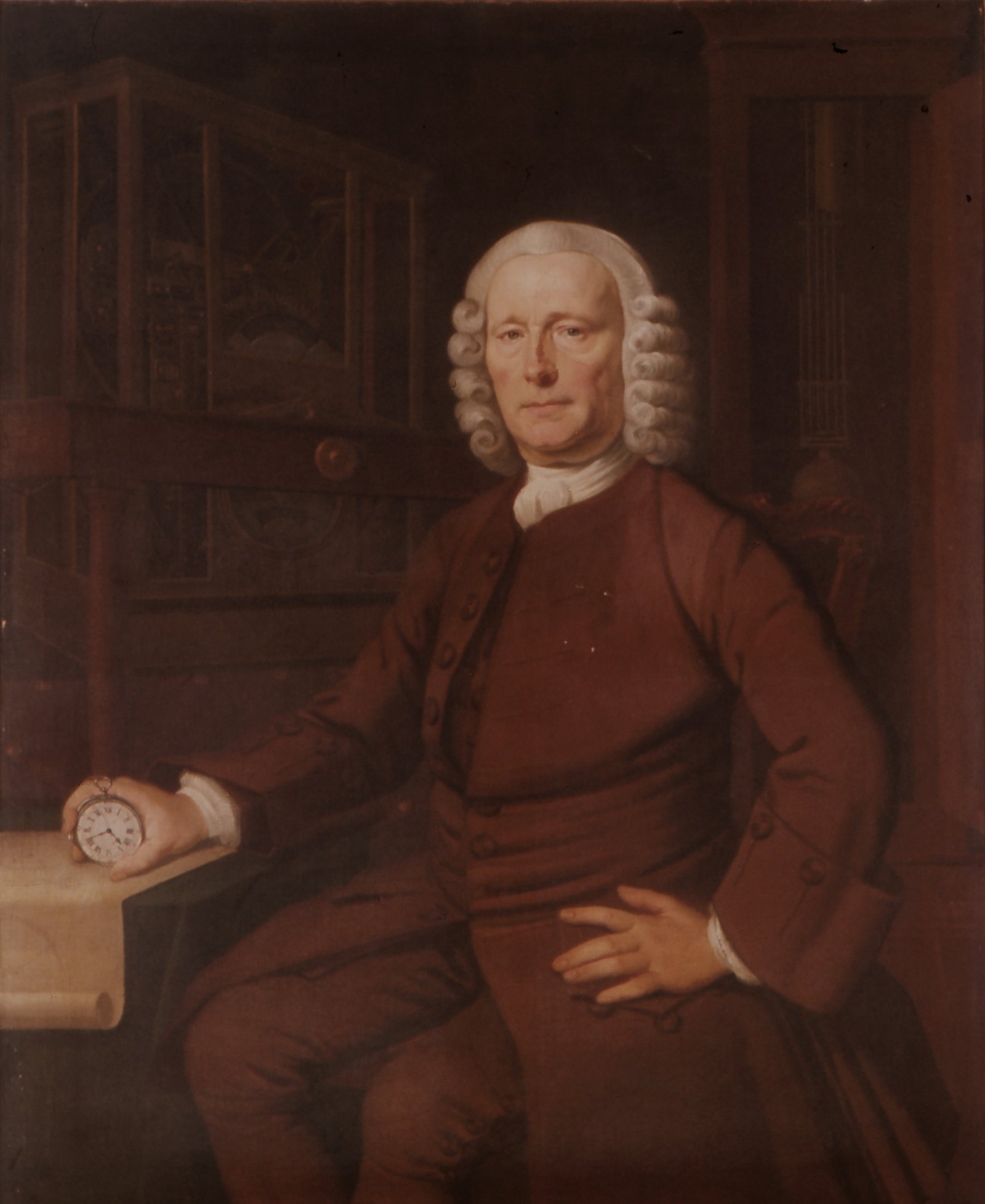
Harrison’s Sea Watch Solves Longitude at Sea
A carpenter turned clockmaker built a timekeeper that could cross oceans.
On 18 November 1761, the fifty-gun naval vessel HMS Deptford cleared the harbour at Portsmouth, bound across the Atlantic for Kingston, Jamaica. In the care of William Harrison, the ship carried a large silver timepiece measuring roughly five inches across, engraved with the signature of his father, the Yorkshire-born joiner and clockmaker John Harrison. For decades, navigators crossing open waters had faced catastrophic errors in dead reckoning because they had no dependable method to determine their longitude. The British Parliament had passed the Longitude Act in 1714, offering a massive reward of up to twenty thousand pounds for a reliable solution, yet prominent natural philosophers had long doubted that any mechanical clock could maintain steady time amidst shipboard motion, humidity, and shifting temperatures.
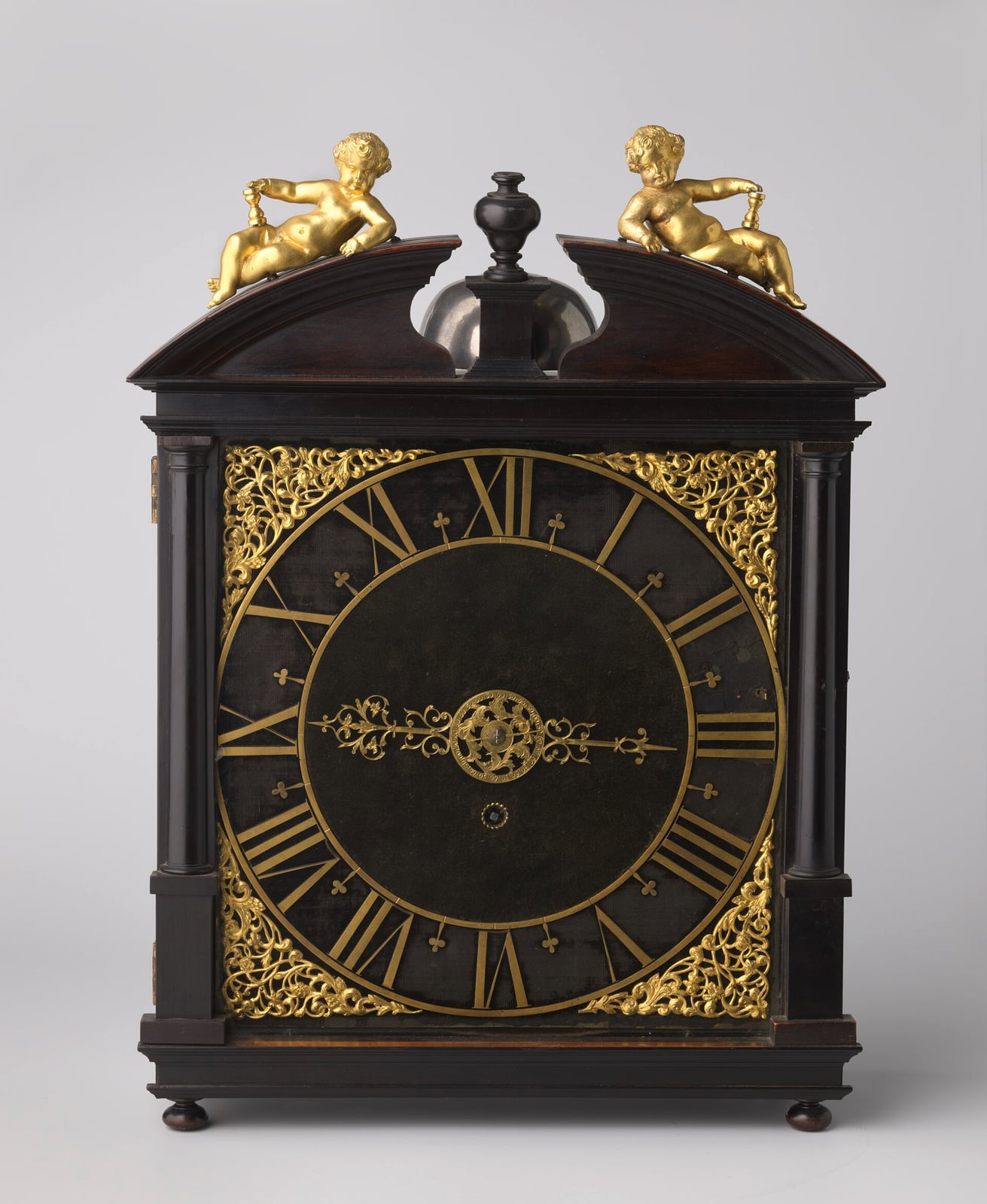
Earlier horologists had encountered persistent difficulties when attempting to use clocks on ocean voyages. Christiaan Huygens tested marine timekeepers controlled by pendulums and spiral balance springs in the seventeenth century, but the resulting readings proved irregular. Following the Scilly naval disaster of 1707, maritime authorities increasingly favoured astronomical solutions, particularly the method of lunar distances, which relied on tracking the rapid motion of the Moon against background stars. Isaac Newton publicly maintained that while a watch might assist reckoning over several days, lost longitude could not be recovered by mechanical timepieces alone.

Keep reading in Yester
Coming soon to the App Store
Keep following the story
Sources
- Longitude found: the story of Harrison's timekeepers (Royal Museums Greenwich)
- H4, marine timekeeper, ZAA0037 (Royal Museums Greenwich collections)
- K1, marine timekeeper by Larcum Kendall, ZAA0038 (Royal Museums Greenwich collections)
- Scientist of the Day: John Harrison (Linda Hall Library)
- Board of Longitude papers, MS-POR-H-00008 (Cambridge Digital Library)
- K/MUS/1/6: Manuscript volume recording the accuracy of the H5 chronometer at Kew, 1772 (King's College London Archives)
- John Harrison
Image: Thomas King († circa 1796 date QS:P,+1796-00-00T00:00:00Z/9,P1480,Q5727902 )