
A New H1N1 Flu Becomes a Pandemic
A novel influenza virus spread worldwide within months.
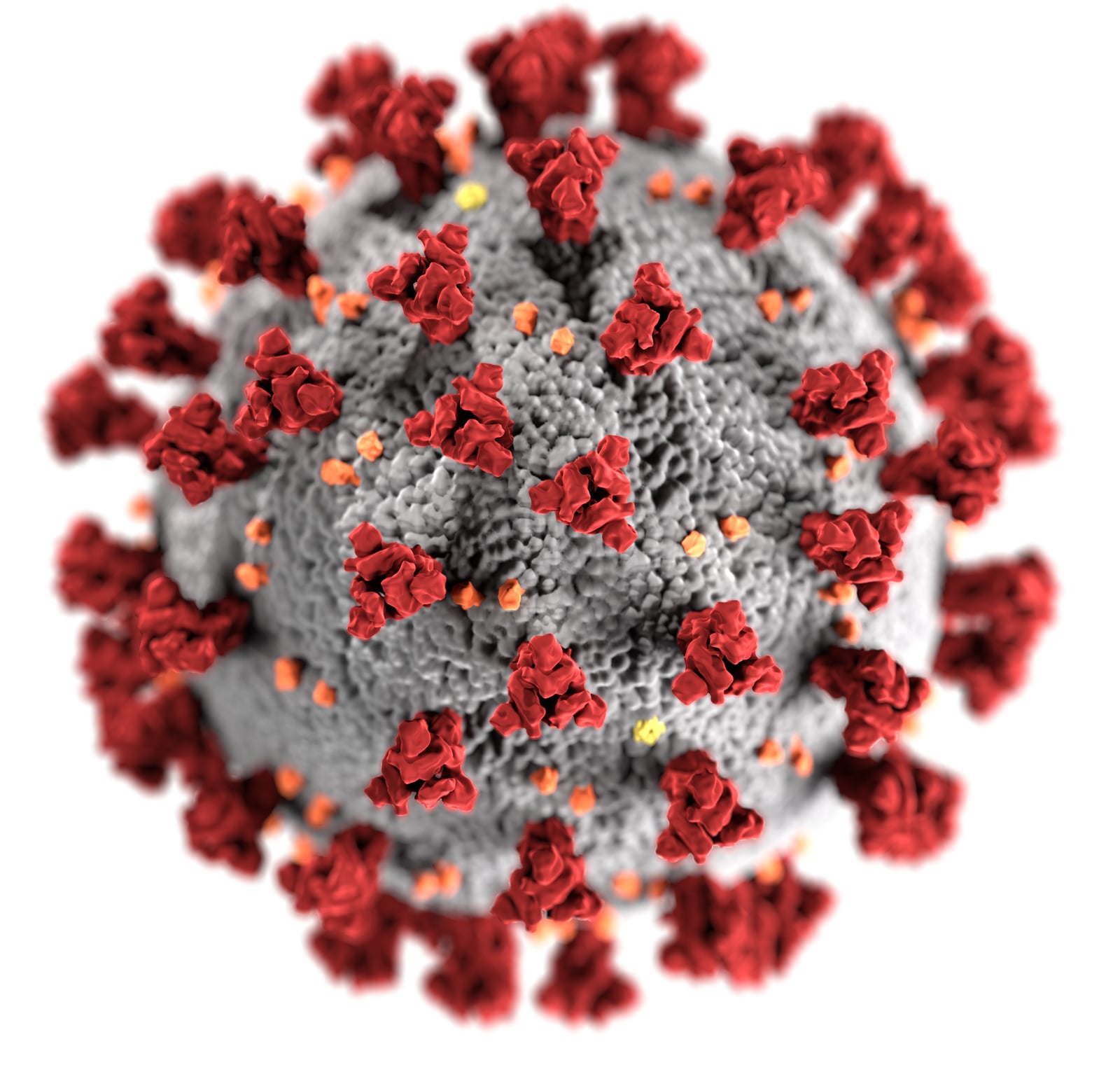
In March 2009, public health authorities in Mexico recognized an unusual concentration of severe respiratory infections, notably in the state of Veracruz and the capital. By late April, laboratory analyses conducted by American and Canadian researchers isolated a novel influenza A strain from patients in Mexico, Southern California, and Texas. Genetic profiling revealed that the pathogen was a unique reassortment combining segments from North American bird, swine, and human influenzas with Eurasian pig flu viruses. The World Health Organization responded in late April by declaring its first Public Health Emergency of International Concern. By June 2009, as community transmission spanned multiple continents, the agency officially declared a pandemic.
The clinical presentation of the 2009 virus exhibited notable differences from normal seasonal outbreaks. Seasonal influenza typically extracts its heaviest toll among older adults, yet the novel H1N1 virus did not disproportionately affect people over sixty. Studies showed that many older individuals possessed cross-reactive antibodies, likely acquired from exposure to older H1N1 viruses earlier in their lives. Instead, infection and severe illness clustered heavily in younger age brackets. While most cases produced standard symptoms such as fever, cough, fatigue, and chills that resolved within a week, severe complications arose when viral or secondary bacterial pneumonia impaired lung function, requiring intensive medical intervention.

Keep reading in Yester
Coming soon to the App Store
Keep following the story

Sources
- 2009 H1N1 Pandemic (H1N1pdm09 virus) (CDC)
- Director-General statement following the first meeting of the Emergency Committee, 25 April 2009 (WHO)
- Pandemic (H1N1) 2009 - update 112, 6 August 2010 (WHO Disease Outbreak News)
- H1N1 in post-pandemic period, 10 August 2010 (WHO)
- H1N1 flu breaking news: Pandemic declared (CIDRAP, 11 June 2009)
- Dawood et al., Estimated global mortality associated with the first 12 months of 2009 pandemic influenza A H1N1 virus circulation (Lancet Infectious Diseases, via PubMed)
- At least one in five were infected in flu pandemic, international study suggests (Imperial College London)
- 2009 swine flu pandemic
Image: Eneas De Troya from Mexico City, México