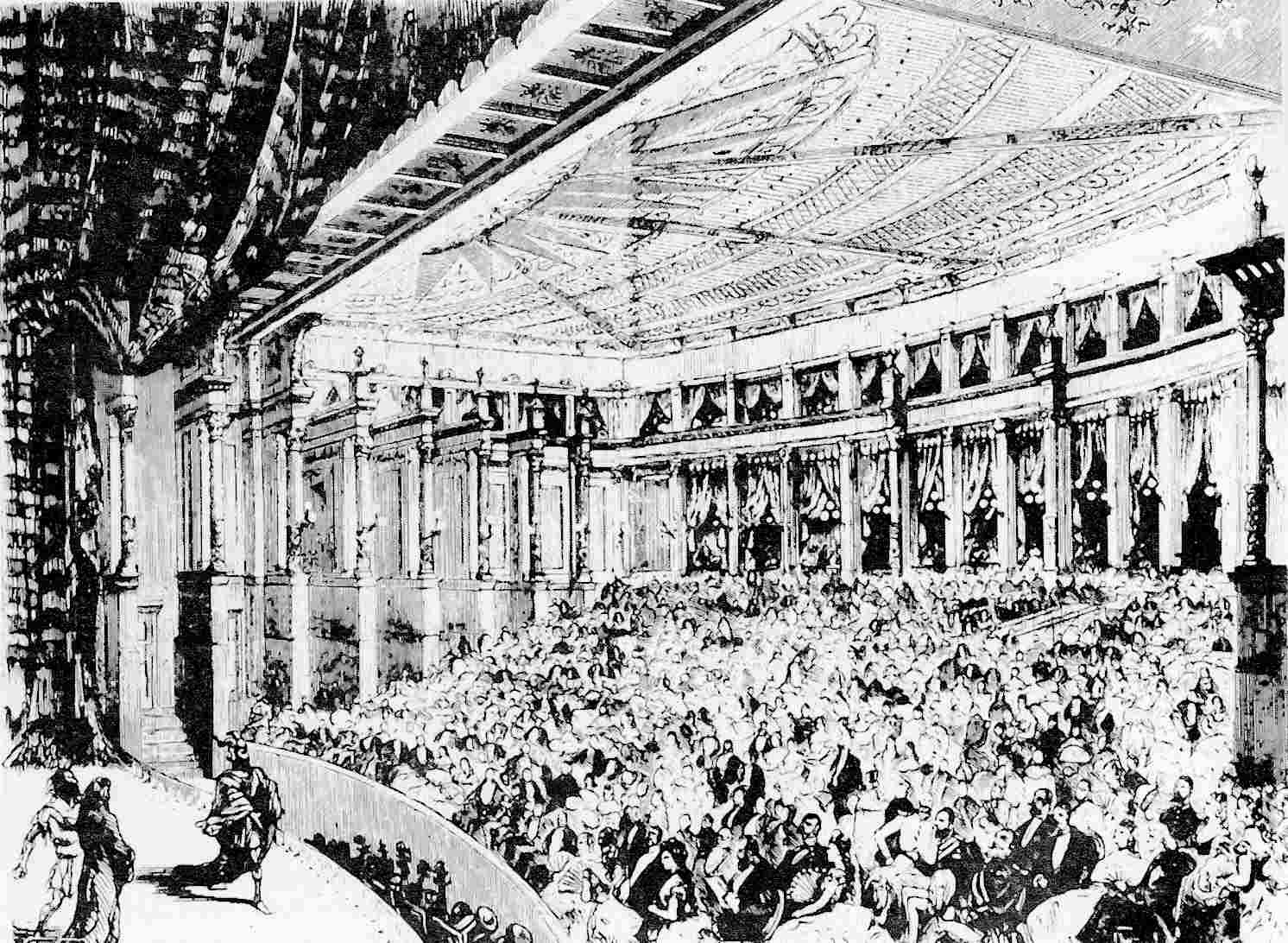
Wagner Opens a Theater Built for His Own Operas
A purpose-built festival changed expectations about how opera should be staged.
In August 1876, the Bavarian town of Bayreuth became the setting for one of the most ambitious undertakings in nineteenth-century musical culture. Richard Wagner had spent years pursuing an independent theatrical home tailored strictly to his aesthetic demands. He had first imagined a festival in Zurich or Weimar, and later in Munich, where his patron King Ludwig II of Bavaria wanted to build a festival theater that was never realized. The conductor Hans Richter then drew Wagner's attention to Bayreuth. The town pleased the composer, and he was given land for his theater in the suburb of St. Georgen.
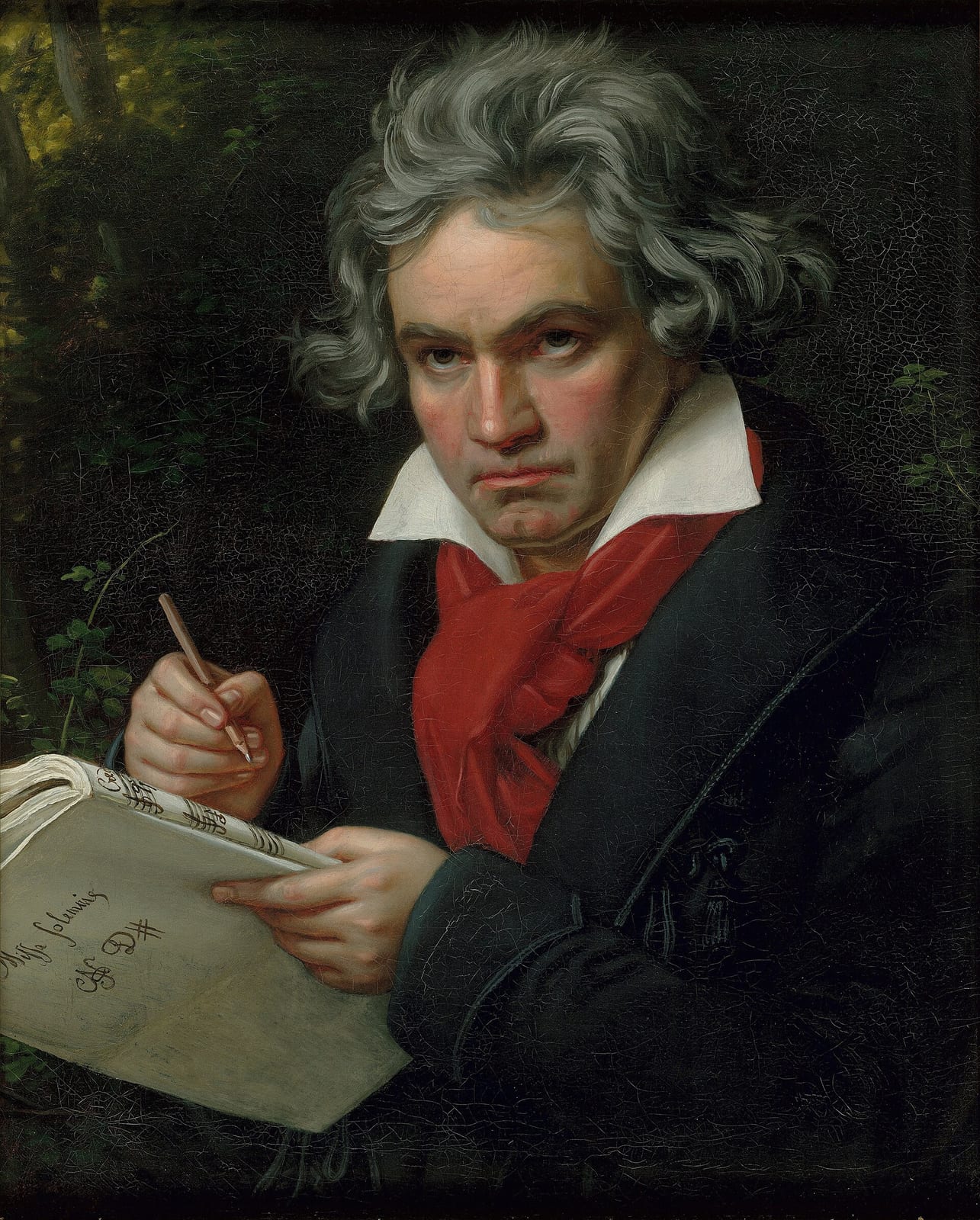
Wagner first visited Bayreuth in 1871 and inspected the eighteenth-century Margravial Opera House, but found its auditorium too small for the Ring. He resolved instead to build a completely new festival theater, the Bayreuth Festspielhaus, and laid its foundation stone on 22 May 1872, conducting Beethoven's Ninth Symphony in the old opera house to mark the day. Securing the necessary capital proved difficult. A patronage association founded in 1870 was meant to raise 300,000 thalers, but the attempt to fund the building through subscriptions failed, and craftsmen at times could not be paid. Shortfalls remained severe until January 1874, when King Ludwig granted a loan that the Wagner family fully repaid by 1906.

Keep reading in Yester
Coming soon to the App Store
Keep following the story
Sources
- History: On the genesis of the Bayreuth Festival (Bayreuther Festspiele)
- 150 Years of the Bayreuth Festival, special guided tour (Richard Wagner Museum Lucerne)
- The Bayreuth Music Festival (Tchaikovsky Research)
- Festspielhaus (Encyclopaedia Britannica)
- Patrice Chéreau obituary (The Guardian)
- Bayreuth Festival
Image: Unknown author Unknown author