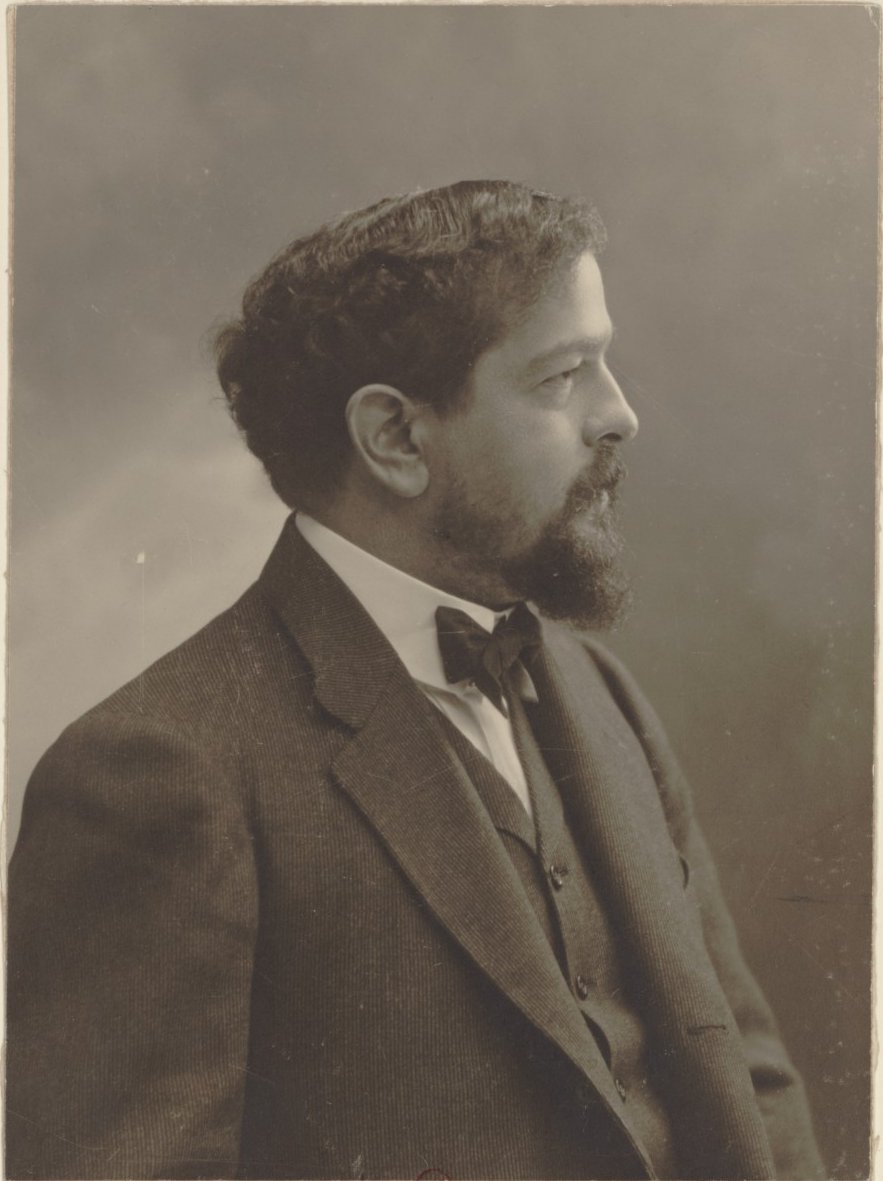
Debussy Opens a Different Orchestral Sound World
A short orchestral work explored atmosphere and fluid musical movement without following a simple narrative.
On 22 December 1894, the French conductor Gustave Doret led the premiere of Claude Debussy's Prélude à l'Après-midi d'un faune in Paris. The performance featured Georges Barrère as the solo flutist, introducing an orchestral composition dedicated to Raymond Bonheur, the son of painter Auguste Bonheur. Running approximately ten minutes, the score was conceived not as a direct musical retelling of Stéphane Mallarmé's poem L'après-midi d'un faune, but as an open, atmospheric reflection upon it. Debussy described his work as a free illustration of the poem's scenes, tracing the wandering desires, fatigue, and eventual sleep of the woodland figure rather than assembling a rigid summary.
The connection between the poetry and the music was initially fraught with skepticism. According to Paul Valéry, Mallarmé initially disliked the idea of his verses serving as material for an orchestral piece, believing that poetry possessed its own complete musicality and that combining the two arts was an intrusion. Mallarmé's stance altered after he heard the premiere at Debussy's invitation. Following the performance, he wrote to Debussy expressing admiration for the composition, observing that the music generated no discord with his text while capturing deep nostalgia, light, and sensuality.

Keep reading in Yester
Coming soon to the App Store
Keep following the story
Sources
Image: Nadar