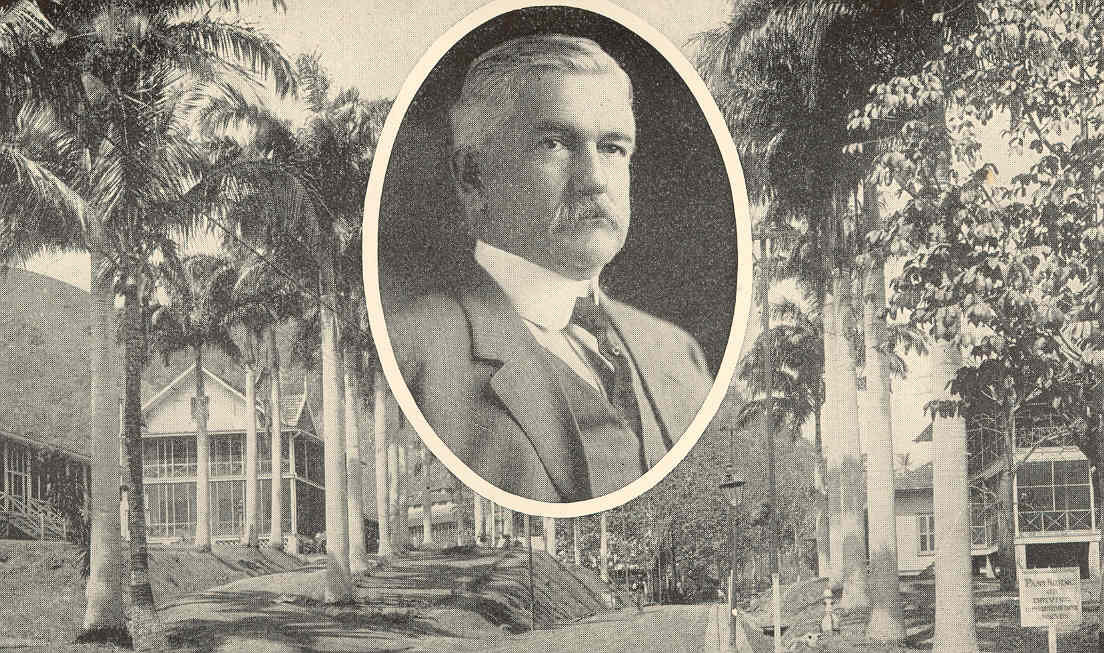
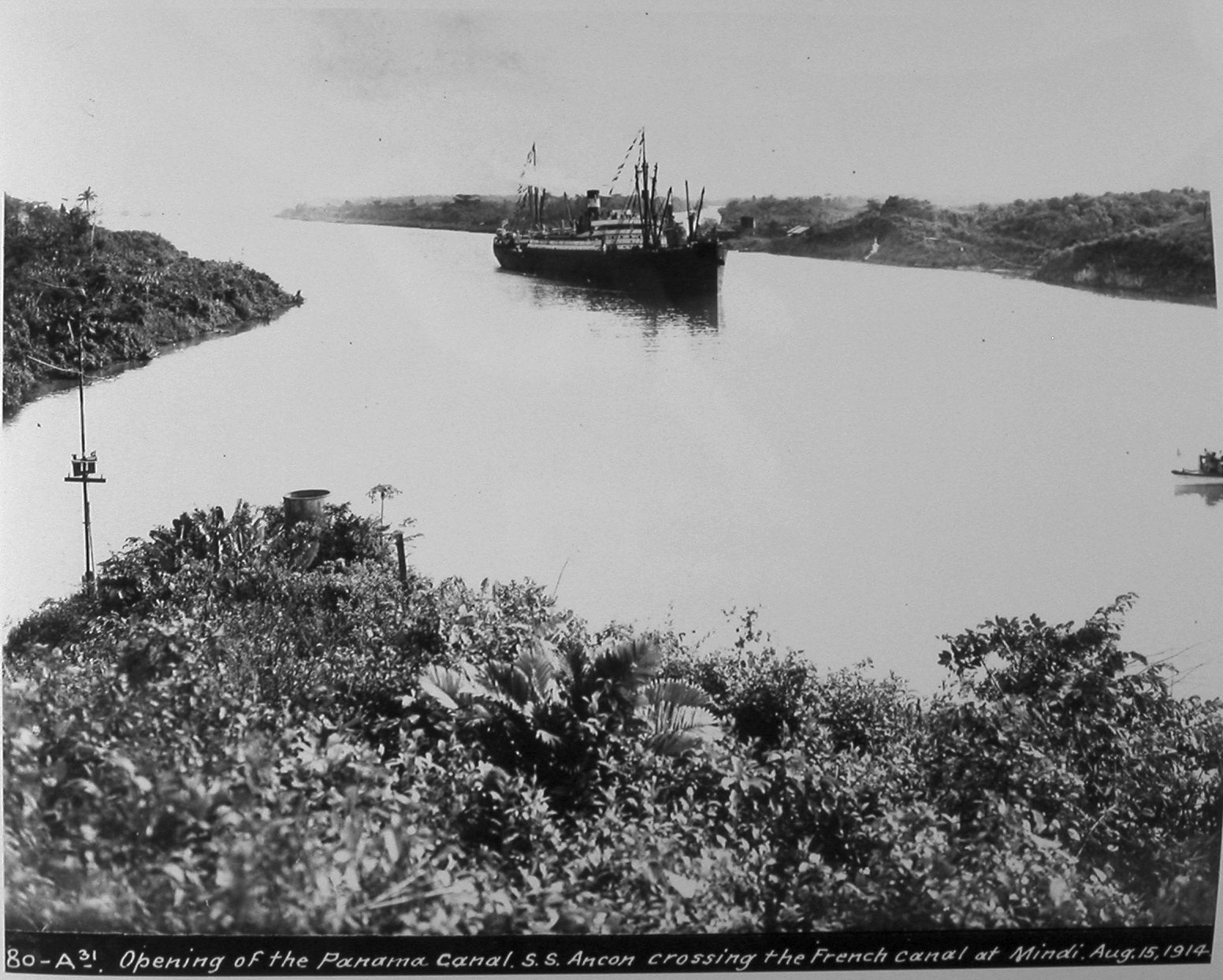
Gorgas Fights Mosquitoes to Build the Panama Canal
A sanitation campaign defeated yellow fever in the Canal Zone.
William Crawford Gorgas arrived in Central America equipped with practical experience against tropical contagion. Born in Alabama in 1854, Gorgas had studied at the Bellevue Hospital Medical College before securing an appointment to the United States Army Medical Corps in June 1880. Early military service in Texas brought him directly into contact with yellow fever at Fort Brown, where treating patients led to his own infection. He survived the illness, which conferred lifetime immunity and shaped the trajectory of his career as an army physician repeatedly deployed to areas facing lethal epidemics.
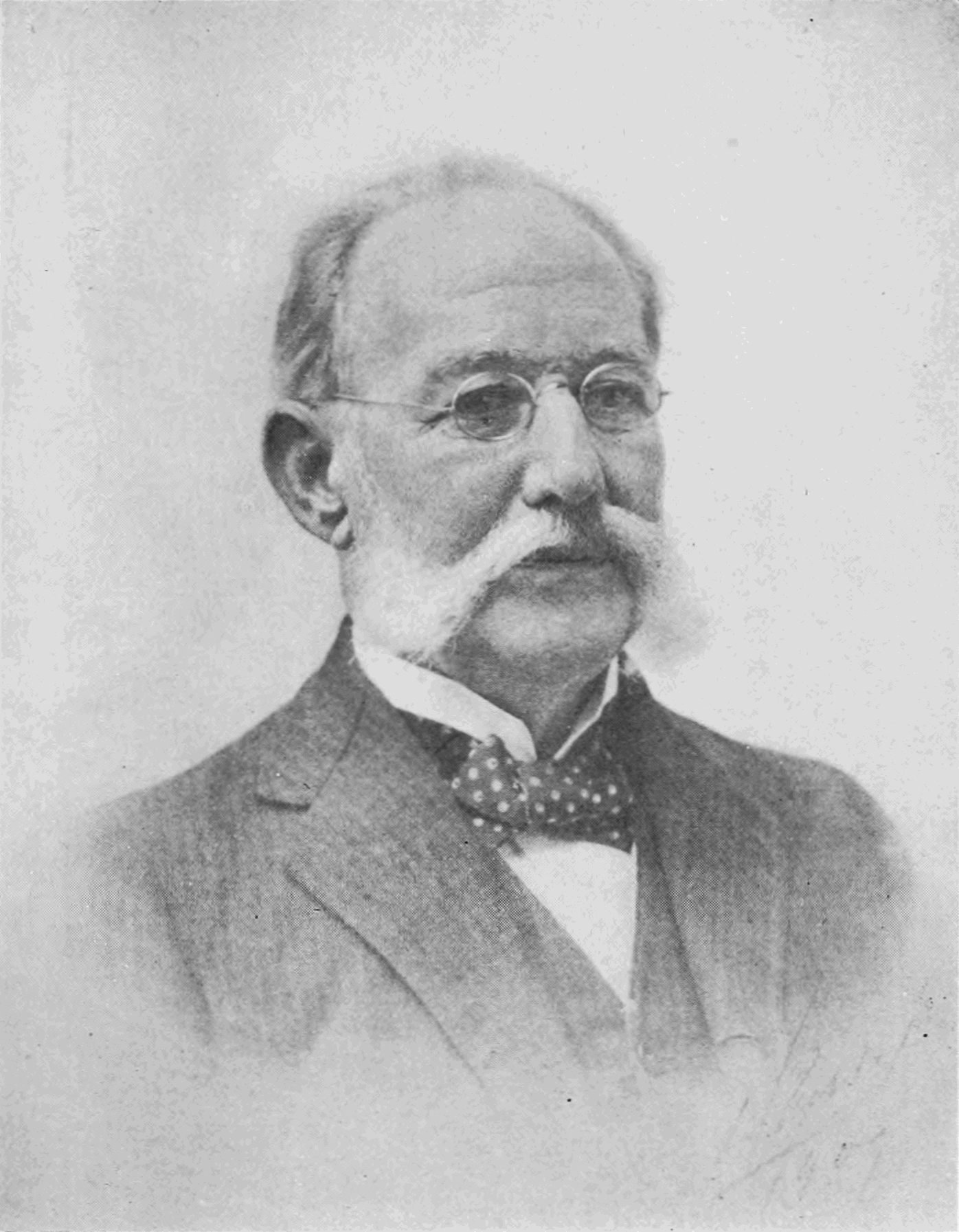
Following the end of the Spanish-American War in 1898, Gorgas served as chief sanitary officer in Havana, Cuba. There he tackled both yellow fever and malaria. The initiative relied on experimental work conducted by Major Walter Reed, who had tested and substantiated the earlier proposals of the Cuban physician Carlos Finlay. Finlay had long argued that yellow fever was transmitted by mosquitoes rather than spread through direct contact or general filth, a concept that had initially met with significant skepticism and resistance.

Keep reading in Yester
Coming soon to the App Store
Keep following the story
Sources
- William Crawford Gorgas (Encyclopedia of Alabama)
- Gorgas Develops Effective Methods of Mosquito Control (EBSCO Research Starters)
- Suppression of Yellow Fever (EBSCO Research Starters)
- Dramatic effects of control measures on deaths from yellow fever in Havana, Cuba, in the early 1900s (James Lind Library)
- William Crawford Gorgas research guide (UTRGV Library Special Collections)
- Sanitation in Panama, by William Crawford Gorgas (Project Gutenberg)
- William C. Gorgas
Image: Ernest Hallen