Excavations at Göbekli Tepe Reveal Monuments Before Cities
Carved pillars in southeastern Anatolia complicate the familiar story of farming, settlement and monumental building.
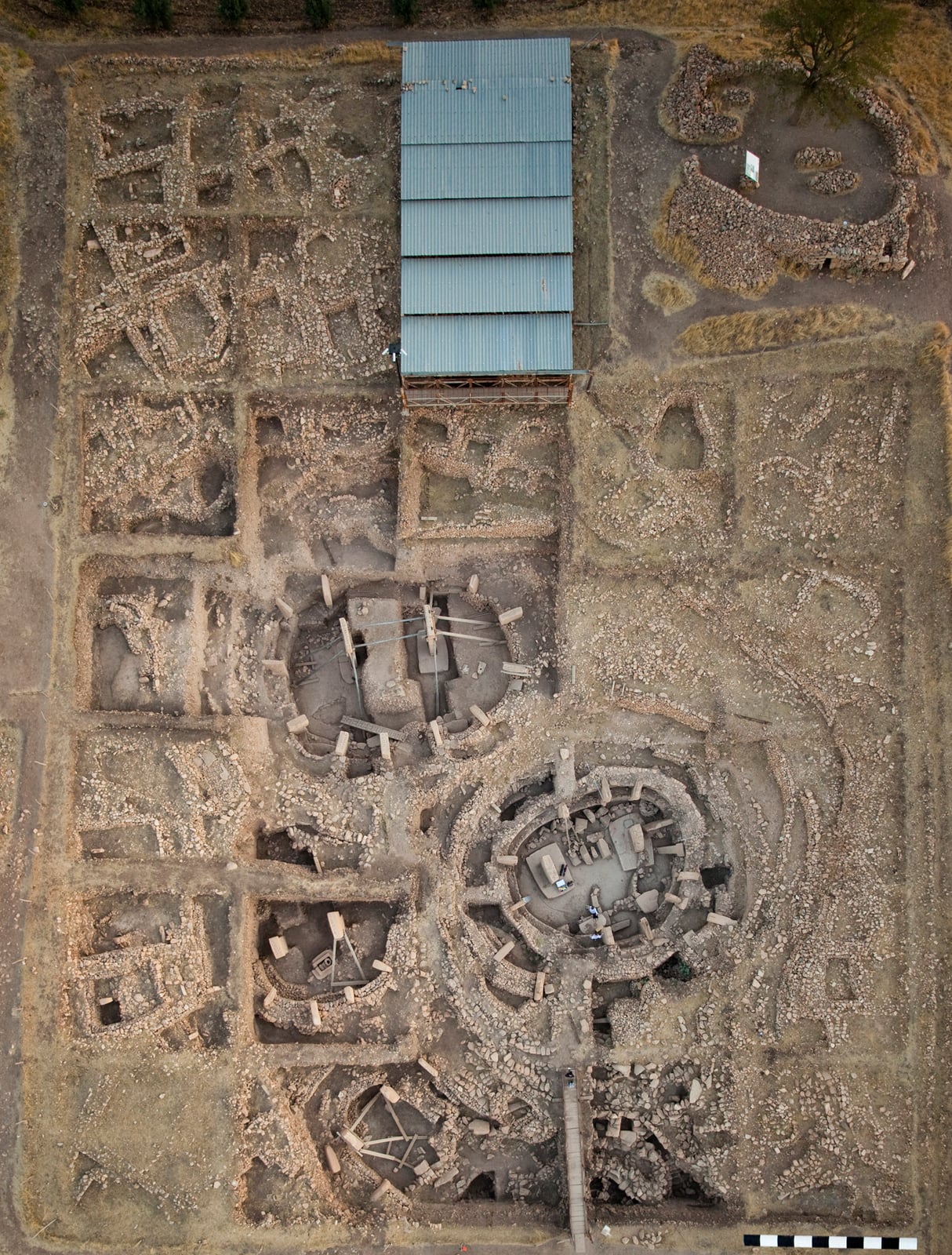
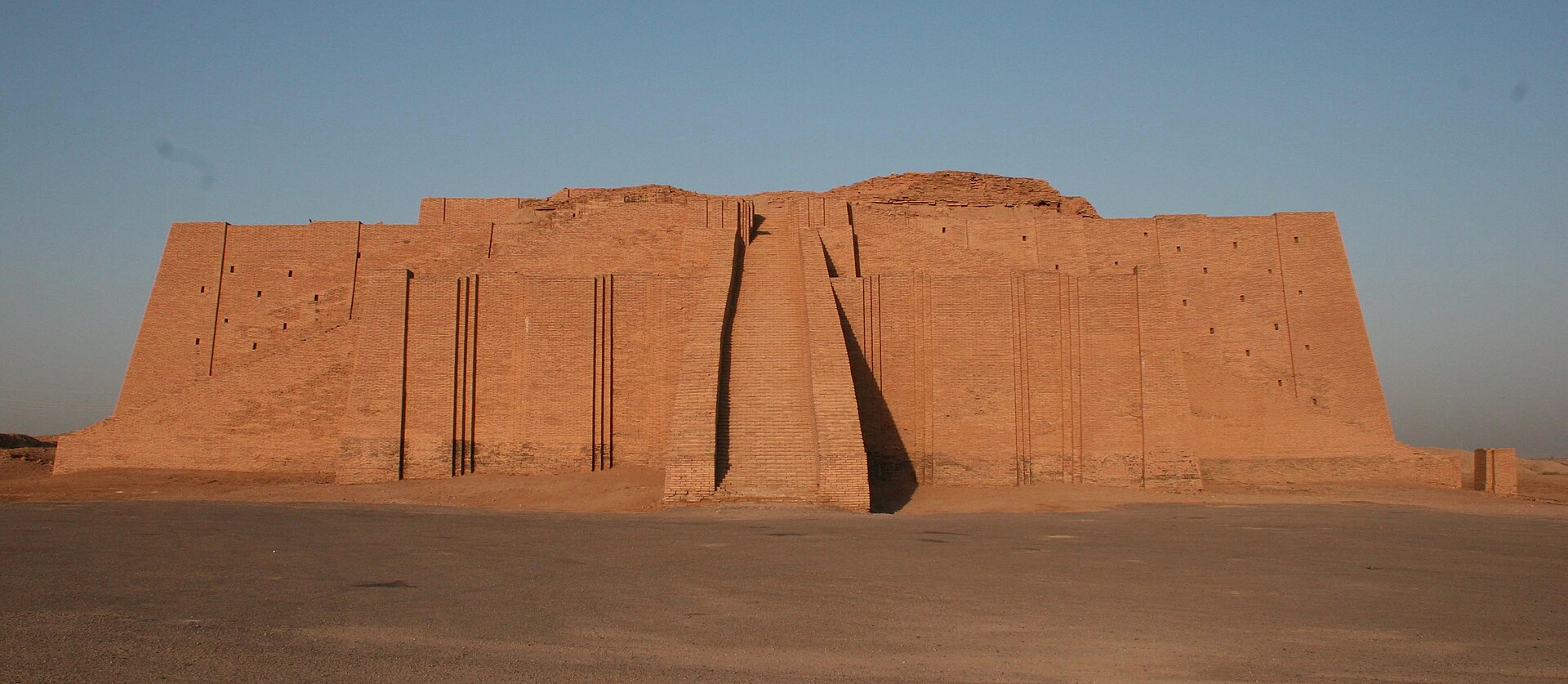
On a limestone ridge in southeastern Anatolia, the artificial mound of Göbekli Tepe preserves massive stone architecture dating to the dawn of the Pre-Pottery Neolithic. First recorded during an archaeological survey in 1963, the tell was identified as a major monument by Klaus Schmidt in 1994, with regular excavations commencing the following year. Long before the emergence of urban centres such as the Sumerian city of Ur, communities in Upper Mesopotamia raised megalithic rings composed of T-shaped limestone pillars quarried directly from the surrounding plateau. Radiocarbon determinations place the earliest exposed circular enclosures between 9500 and 9000 BCE, establishing them among the oldest surviving megalithic constructions in the world.
The central features of the earliest phase are circular and oval enclosures measuring up to thirty metres across. Inside these spaces stand enormous upright stones, including central pairs that rise above the rest and rest in bedrock pedestals or terrazzo floors made of burnt lime. The pillars themselves are anthropomorphic in form, with the broad horizontal crosspiece representing a head and the upright shaft forming a stylized torso. Several examples bear carved human arms, hands, belts, and loincloths. In addition to these human attributes, low and high reliefs across the monoliths portray a dynamic array of wildlife, including foxes, boars, snakes, vultures, and fierce lions, often positioned in aggressive postures.

Keep reading in Yester
Coming soon to the App Store
Keep following the story
Sources
Image: German Archaeological Institute, photo E. Kücük.