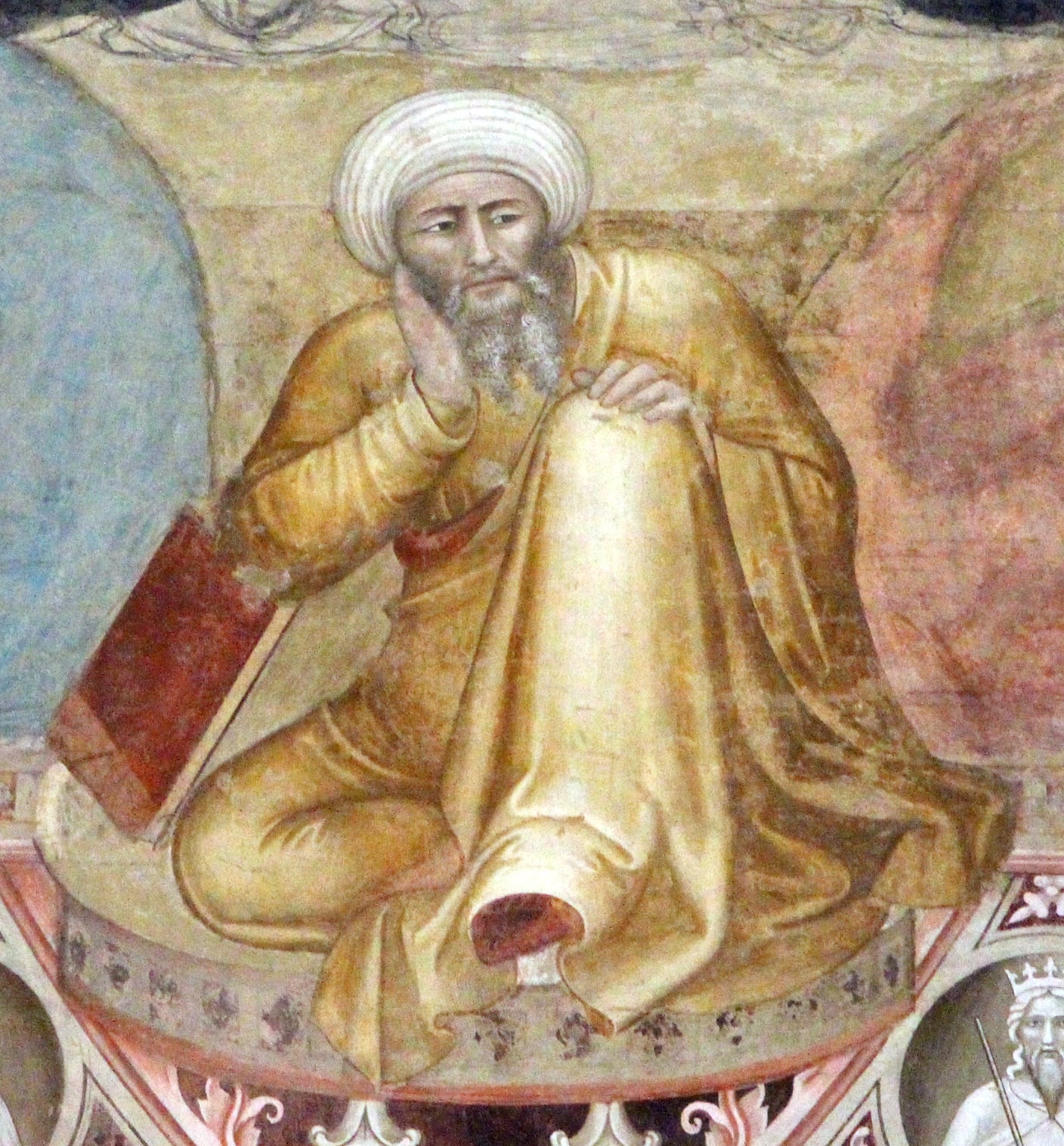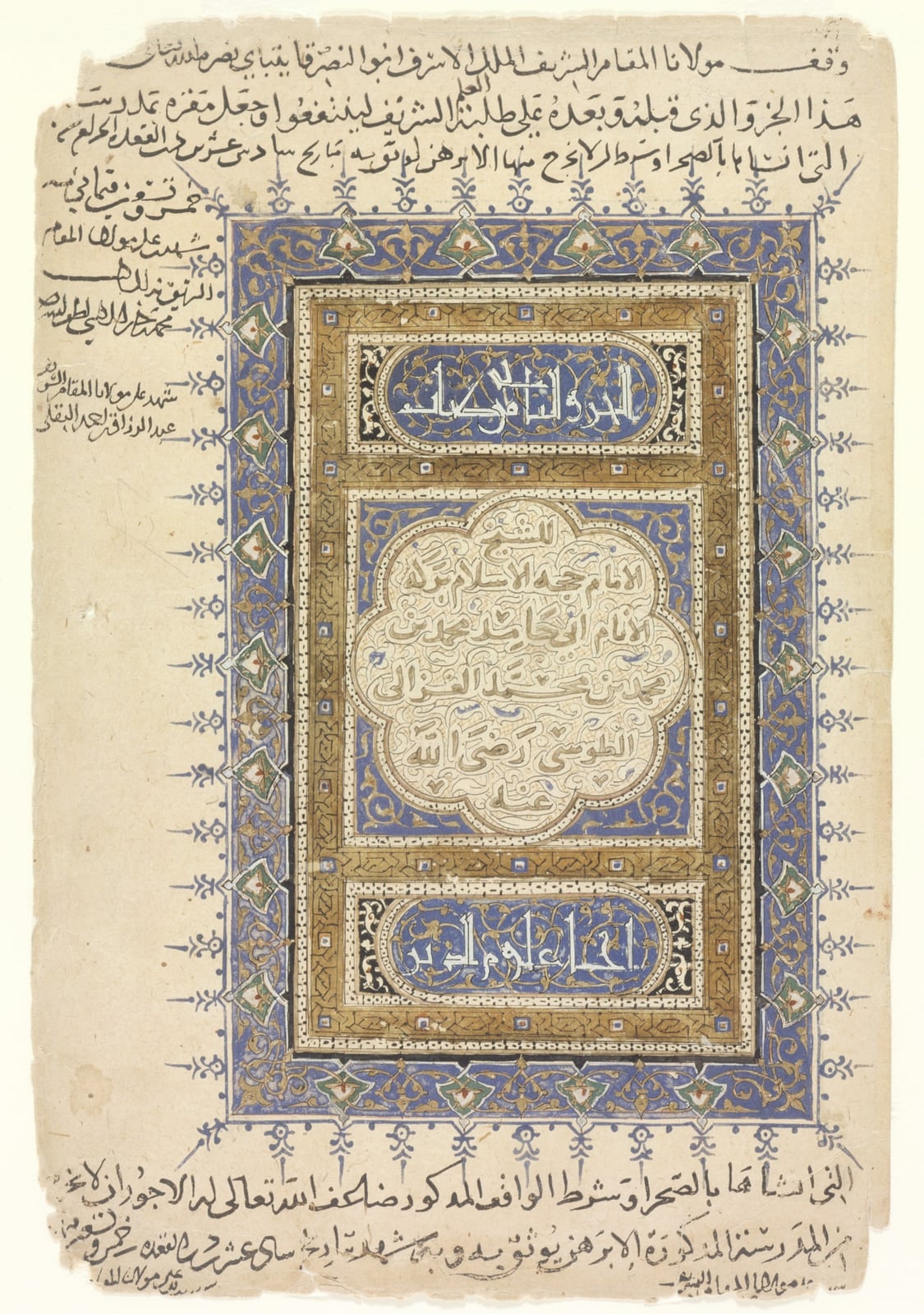
Al-Ghazali Challenges the Philosophers
A celebrated scholar questioned how far reason could reach.
In July 1091, the Persian scholar al-Ghazali assumed a prestigious professorship of law at the Nizamiyya college in Baghdad, following an invitation from the Seljuk vizier Nizam al-Mulk. The college operated partly to train theologians capable of answering the ideological challenges of the rival Fatimid caliphate. While teaching in Baghdad, al-Ghazali produced an ambitious sequence of four related treatises on philosophy and theology, designed to clarify, test, and respond to the speculative traditions then circulating in the Islamic world.
The central entry in this quartet was Tahafut al-Falasifa, commonly rendered as The Incoherence of the Philosophers. He also produced Maqasid al-Falasifa, or The Aims of the Philosophers, a survey of the philosophers' teachings loosely adapted from a Persian work by Avicenna. It was long read as a preparatory study for the critique, which appeared around 1095, though some modern scholars argue that its links to the Incoherence were added afterward. He insisted that scholars had to achieve complete mastery of an intellectual system before seeking to dismantle it. Following the critique itself, he produced an appendix on logic and a constructive manual of Asharite theology, Al-Iqtisad fi al-itiqad, to establish the religious tenets that replaced the philosophical claims he had dismissed.

Keep reading in Yester
Coming soon to the App Store