Australia Creates the Great Barrier Reef Marine Park
A law set out to protect the world’s largest reef system.
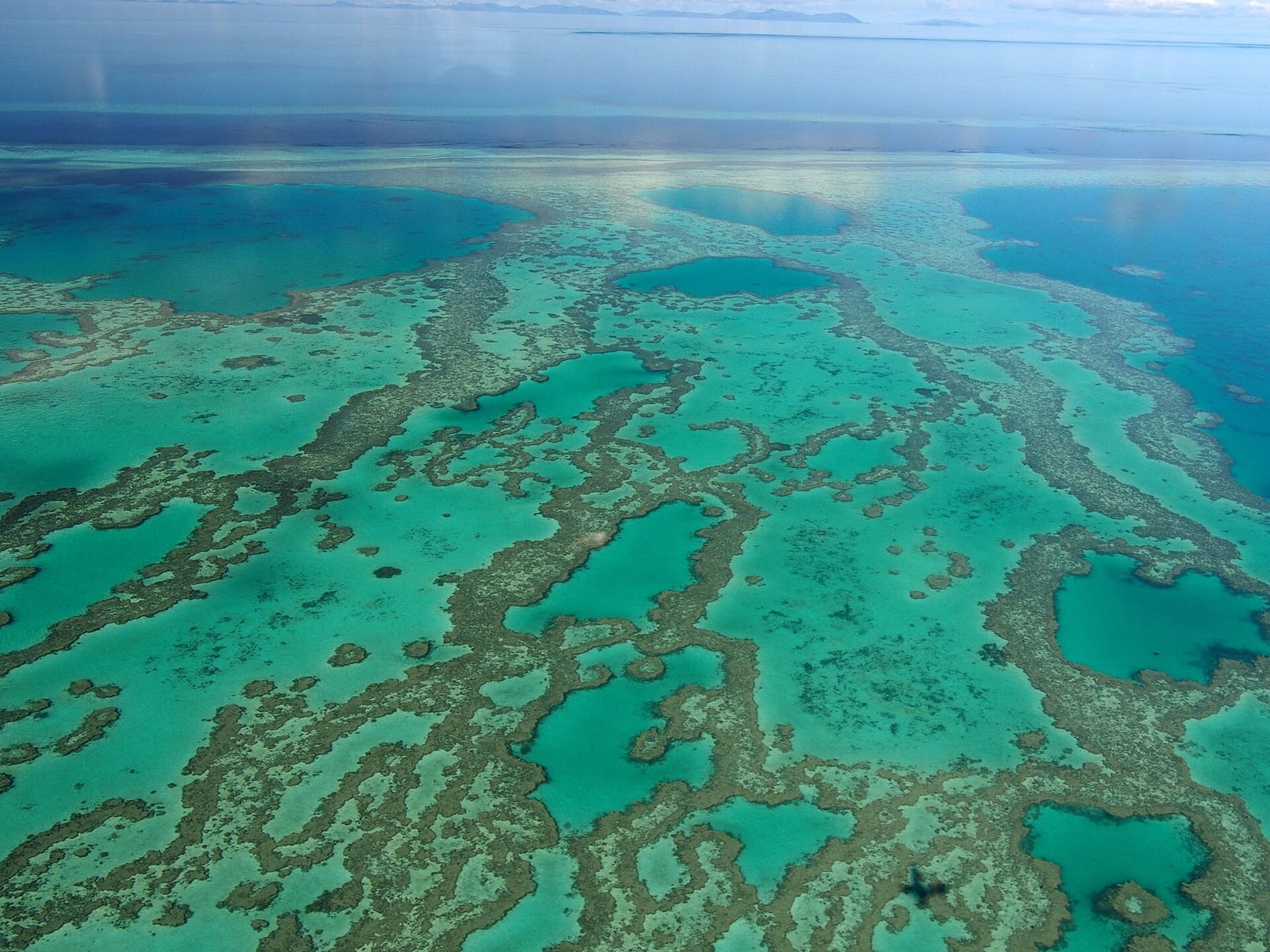
In 1975, the Australian federal parliament passed the Great Barrier Reef Marine Park Act, creating an enduring statutory framework to manage human activity across the world's most extensive coral reef system. The legislation prohibited harmful practices across designated areas, recognised the international significance of the region, and established the Great Barrier Reef Marine Park Authority to oversee its conservation. Joe Baker, who later took part in the campaign to secure World Heritage listing for the reef in 1981, served as an inaugural member of the authority. The creation of the park reflected growing national awareness that protecting an offshore expanse holding roughly ten percent of the planet's coral reefs required systematic, centralised coordination rather than fragmented local regulation.
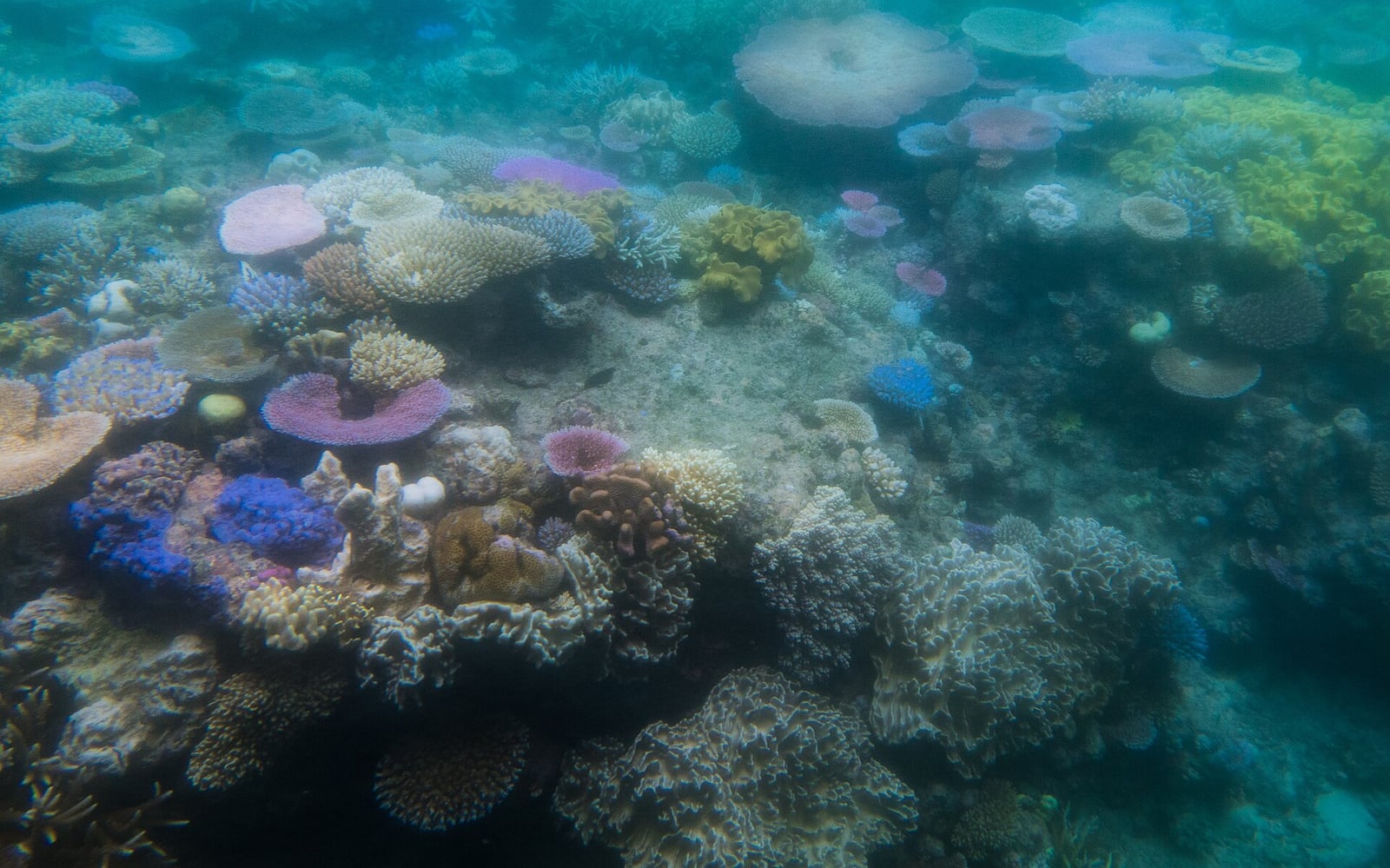
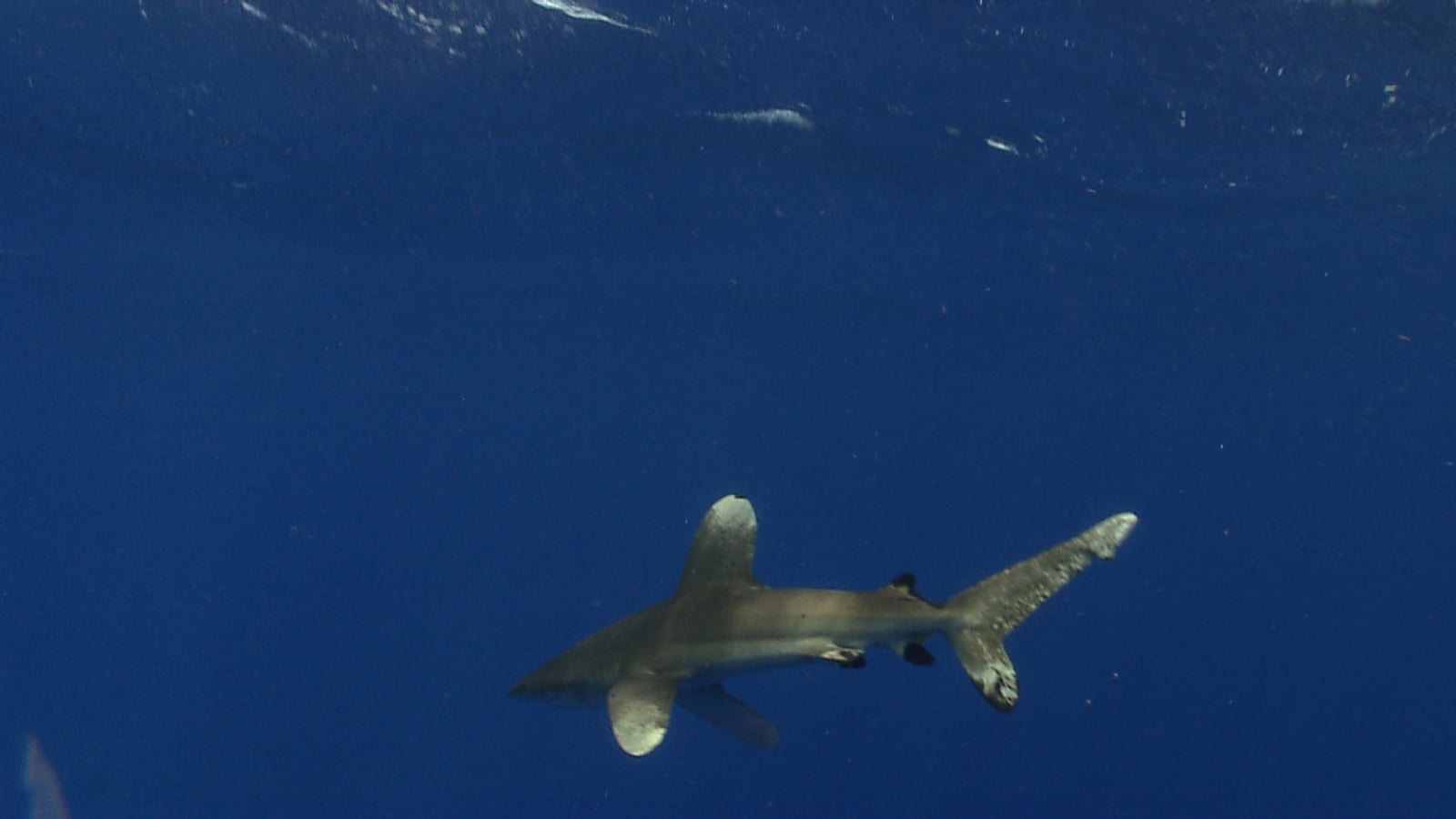
The park encompasses a vast territory lying east of the Queensland mainland, reaching from Cape York in the north down toward Lady Elliot Island, situated south of Gladstone and north of Bundaberg. Within these boundaries lie some 3,000 coral reefs, about 600 continental islands, 300 coral cays and about 150 inshore mangrove islands. The marine ecosystem sustains extraordinary biodiversity, serving as habitat for thousands of coral and other invertebrate species, bony fish, sharks, rays, sea turtles, marine mammals, sea snakes, and marine flora. Because many of these species migrate over immense distances, park management must integrate domestic environmental statutes with international treaties, including the Bonn Convention and the Convention on International Trade in Endangered Species of Wild Fauna and Flora.

Keep reading in Yester
Coming soon to the App Store
Keep following the story
Sources
- Fascinating facts about the Great Barrier Reef (Great Barrier Reef Marine Park Authority, archived copy)
- Overview of the Representative Areas Program (Great Barrier Reef Marine Park Authority, archived copy)
- Great Barrier Reef (UNESCO World Heritage Centre)
- Establishing Representative No-Take Areas in the Great Barrier Reef, Conservation Biology 2005 (James Cook University ResearchOnline)
- Great Barrier Reef Marine Park Zoning 2003 metadata (eAtlas, Australian Institute of Marine Science)
- Significant milestone reached with the accreditation of Darumbal TUMRA (Great Barrier Reef Marine Park Authority, archived copy)
- Darumbal take control as climate change impacts Sea Country (SBS NITV)
- Great Barrier Reef Marine Park
Image: rheins