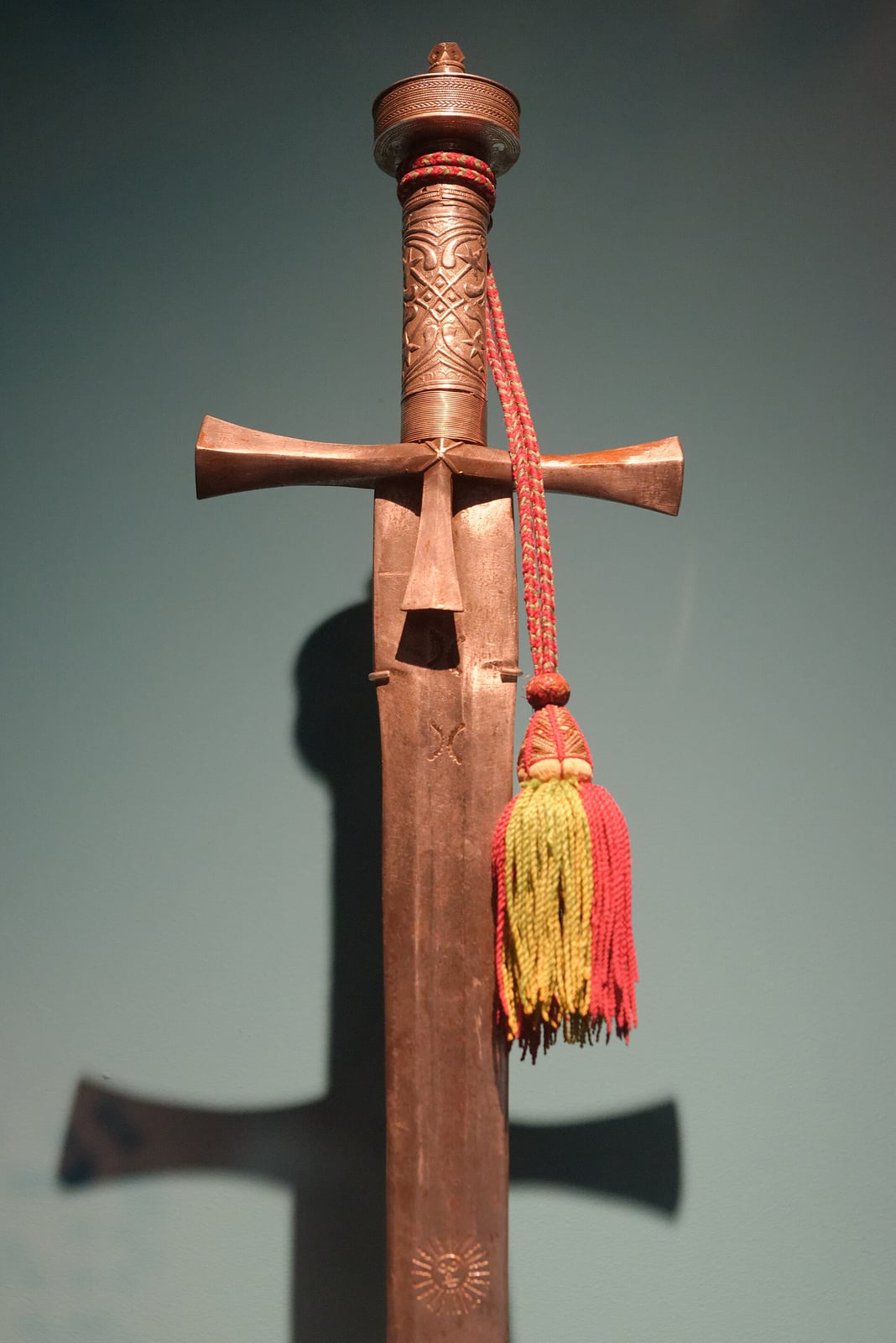
The Funj Found a Sultanate at Sennar
A new state on the Blue Nile replaced the last Christian kingdom of Nubia.
During the fourteenth and fifteenth centuries, the medieval Christian realms of Nubia broke down into splintered local polities under the pressure of regional migrations and growing Bedouin influence. The northern kingdom of Makuria fractured until it was reduced to a small border enclave, while its southern neighbor Alodia disintegrated amid internal decay and raids by pastoral confederations. According to regional traditions, an Arab tribal leader named Abdallah Jammah overthrew the remaining remnants of Alodia in the fifteenth century. Shortly thereafter, nomadic pastoralists known as the Funj entered the central Nile valley from the south and challenged this newly established tribal order.
The ethnic origins of the Funj remain uncertain, with modern historians offering varying hypotheses that connect them to the Shilluk, Nubians, or western migrants from Bornu, while others suggest the label originally signified a distinct social class. In 1504, a Funj leader named Amara Dunqas established a sovereign state based at Sennar along the Blue Nile. Later accounts differ regarding whether Dunqas formed an alliance with Abdallah Jammah to capture the former Alodian capital of Soba or defeated him near Arbadji. In either case, the Abdallabi tribal chiefs accepted subordinate positions as provincial vassals, and the nascent sultanate adopted Islam as its official religion.

Keep reading in Yester
Coming soon to the App Store
Keep following the story
Sources
Image: Marie-Lan Nguyen