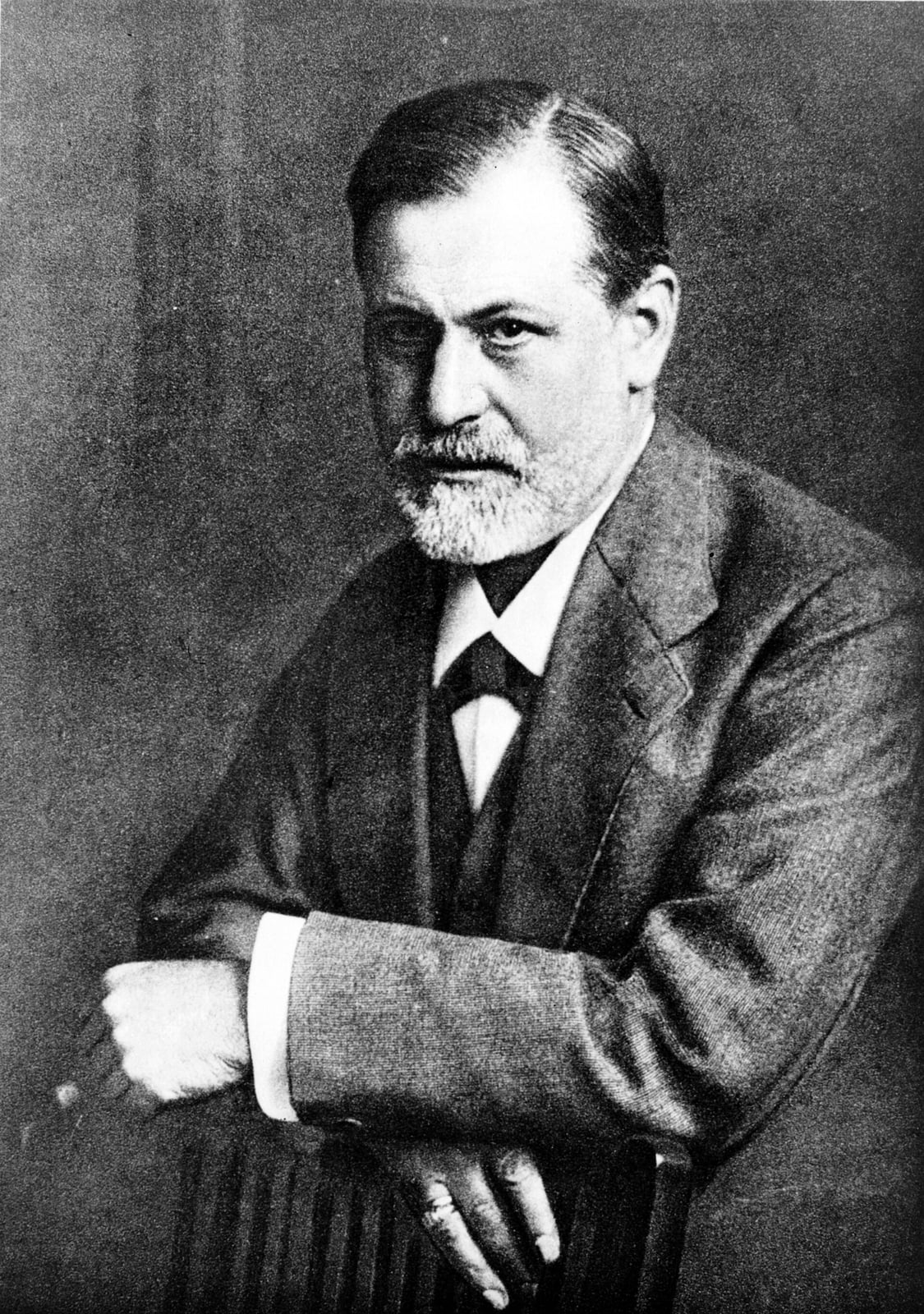
Freud Publishes The Interpretation of Dreams
A Viennese neurologist argued that dreams reveal hidden wishes.
In late 1899, the Viennese neurologist Sigmund Freud released Die Traumdeutung, known in English as The Interpretation of Dreams. Although the title page bore the publication date of 1900, the work made its initial appearance before the turn of the century in a modest print run of 600 copies. At the time, Freud was developing the foundation of psychoanalysis, proposing that nocturnal visions were neither meaningless biological noise nor supernatural portents, but rather complex, decipherable structures belonging directly to the waking mind's psychic life.
The core of Freud's thesis was that dreams fundamentally operate as forms of unconscious wish fulfillment. He conceptualized the dream as the product of two opposing mental forces: an unconscious drive that generates a wish, and an internal censorship mechanism that actively distorts and disguises it. This conflict produces a divide between what Freud termed the manifest content, which is the remembered storyline experienced during sleep, and the latent content, which represents the deeper, hidden psychological meaning that remains obscure upon waking.

Keep reading in Yester
Coming soon to the App Store
Keep following the story
Sources
- The Interpretation of Dreams (Freud Museum London)
- The Dream-Work (Freud Museum London)
- Freud's book, The Interpretation of Dreams, released (PBS, A Science Odyssey)
- FREUD, Sigmund. Die Traumdeutung, 1900 [i.e., 1899], lot notes (Christie's)
- Otto Rank (1884-1939): A Brief Biography (The Victorian Web)
- Bleuler, Eugen (Historisches Lexikon der Schweiz)
- Paul Eugen Bleuler: A Brief Biography (The Victorian Web)
- The Interpretation of Dreams
Image: Max Halberstadt